
He suggested that, in the context of global supply disruptions—particularly in oil markets—the rupee should be allowed to depreciate rather than being actively defended
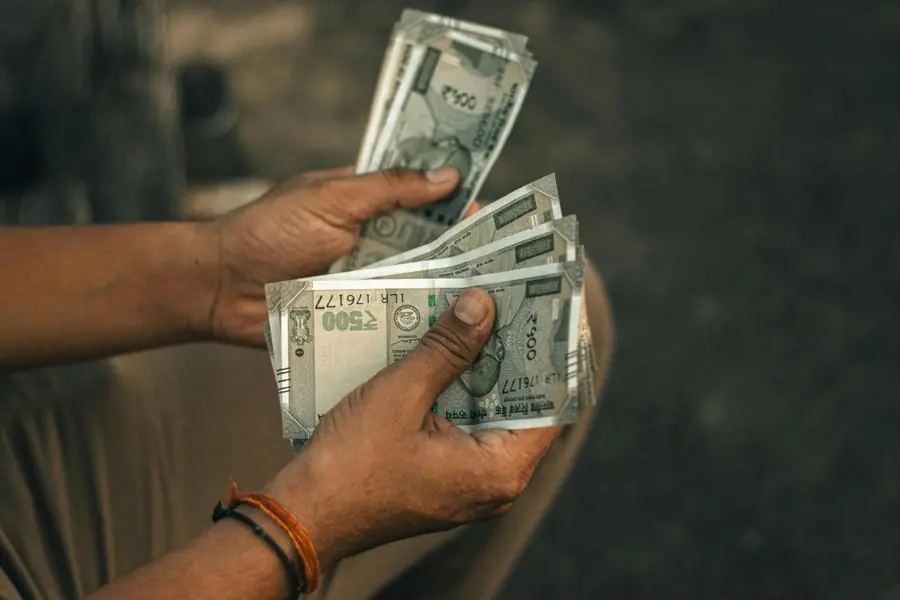
New Delhi: Arvind Panagariya, Chairman of the 16th Finance Commission and former Vice Chairman of NITI Aayog, has urged the Reserve Bank of India (RBI) not to let the psychological threshold of ₹100 per US dollar influence its exchange rate policy.
In a post on social media platform X, Panagariya argued that currency policy should be guided by economic fundamentals rather than specific numerical levels, stating that “100 is just a number, like 99 and 101”. He suggested that, in the context of global supply disruptions—particularly in oil markets—the rupee should be allowed to depreciate rather than being actively defended.
He outlined two possible scenarios depending on the duration of the external shock. If oil supply constraints are short-lived, lasting between three months and a year, he said the rupee may weaken temporarily but could recover once import pressures ease and foreign capital flows return, attracted by cheaper valuations.
However, if the disruption persists for a longer period, he warned that attempts to stabilise the currency through intervention could lead to sustained depletion of foreign exchange reserves. In such a case, he argued, allowing depreciation would be the more sustainable option.
Panagariya also cautioned against relying on measures such as dollar-denominated bonds or high-interest non-resident Indian (NRI) deposits, describing them as expensive and offering only temporary relief. He said such instruments would largely amount to a transfer of wealth without addressing underlying pressures.
Addressing concerns about inflation, he noted that India’s macroeconomic conditions are stronger than in previous episodes of external stress, such as in 2013, suggesting the economy could absorb moderate inflationary impact from a weaker rupee.
As of the latest report, the rupee was trading at 96.19 against the US dollar.
Published: 22 May 2026, 08:29 am IST
Related Topics
Disclaimer: Kindly avoid objectionable, derogatory, unlawful and lewd comments, while responding to reports. Such comments are punishable under cyber laws. Please keep away from personal attacks. The opinions expressed here are the personal opinions of readers and not that of Mathrubhumi.
