
Israeli Prime Minister Benjamin Netanyahu has defended Israel's military operations in Gaza, Lebanon and Iran, saying there are times when Israel must stand by its decisions even when faced with opposition from the President of the United States, as fresh criticism over the war in Gaza continues to mount.
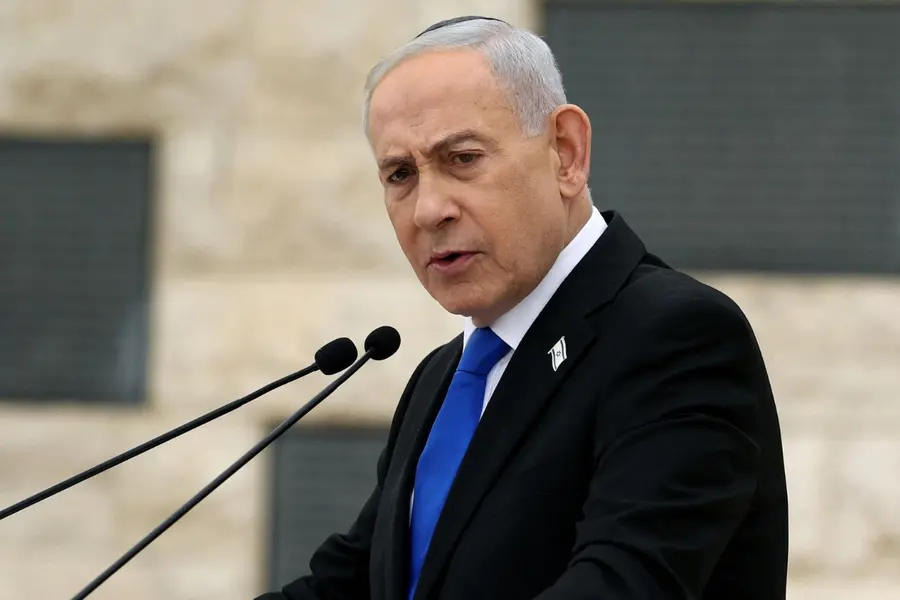
Jerusalem: Israeli Prime Minister Benjamin Netanyahu has delivered one of his strongest defences yet of Israel's recent military campaigns, declaring that the country must sometimes act independently regardless of pressure from international allies, including the United States.
Speaking at the Federation of Local Authorities in Israel Conference, Netanyahu reflected on key decisions taken during the wars in Gaza, Lebanon and Iran, arguing that Israeli leadership had repeatedly been told not to act, only for those operations to later be viewed as successful.
Also Read

'Even POTUS must know what we stand for'
During his speech, Netanyahu recalled disagreements with both former US President Joe Biden and current President Donald Trump over Israeli military strategy.
"I also told President Trump, well, two presidents, Biden first of all, when they told me 'Do not enter Rafah'," Netanyahu said.
According to the Israeli leader, Washington warned that weapons supplies could be affected if Israel launched a major operation in Rafah. Netanyahu said he nevertheless chose to proceed.
"I said I respect him very much, and he even came here at the beginning of the war, but we have no choice, we will enter — and if we must, we will fight with our fingernails."
He then delivered the line that has drawn significant attention internationally.
"Because there are moments when you must know how to tell even the President of the United States what we stand for."
Netanyahu reveals conversation with Trump before Iran operation
Netanyahu also disclosed details of a conversation with Donald Trump before Israel's military operation against Iran, known as Operation Rising Lion.
The Israeli prime minister said he informed Trump of Israel's intentions but did not seek permission.
"When I came to President Trump before Operation Rising Lion, I told him: 'We are going into Iran.'"
"I didn't ask for permission; I simply informed him of our plan. To my joy, he also joined toward the end with a very important action," Netanyahu said.
The remarks appear to underscore Netanyahu's position that Israel will continue to make security decisions based on its own assessment of threats, even while maintaining close ties with Washington.
Defending operations in Gaza, Lebanon and Iran
Netanyahu argued that critics had repeatedly warned against Israeli military actions in multiple theatres.
"They said it's impossible. Don't do it. Don't get entangled," he said.
The Israeli leader listed operations in Gaza, Rafah, Lebanon, Syria and Iran, claiming opponents had warned that such actions would result in catastrophic consequences for Israel.
He also pointed to ongoing Israeli operations against Hezbollah, saying that although the group remains active in Lebanon, Israel continues targeting its infrastructure and capabilities.
'You didn't achieve 100%, only 80-90%'
Netanyahu accused critics of shifting their arguments after military operations had already been carried out.
"Today, they come and tell us, 'But you didn't finish the job.' They, who wanted zero, come and tell us, 'You didn't achieve 100%, only 80-90%'," he said.
While acknowledging that challenges remain, Netanyahu insisted that Israeli leadership had achieved significant objectives despite widespread scepticism.
"There is still work to do, it is not over, that is true," he added.
Palestinian envoy cites UN genocide findings
Netanyahu's remarks came as Israel faces renewed international scrutiny following the release of a United Nations Commission of Inquiry report concerning Gaza.
Palestinian Ambassador to India Abdullah Abu Shawesh welcomed the findings and accused Israel of meeting the criteria for genocide.
"Out of the five conditions, three are applied to the Israeli action in Gaza. So, it's a genocide according to the UN, Amnesty, Israeli human rights organisations," he told ANI.
The envoy argued that the latest findings reflected what Palestinians have experienced for decades and highlighted reports documenting large numbers of civilian casualties, including children.
UN report raises concerns over children in Gaza
The UN commission said Israeli military operations have caused "unprecedented death, injury and trauma" among Palestinian children and alleged that actions in Gaza amount to genocide.
The report stated that more than 1,000 Palestinians, including over 250 children, have reportedly been killed in the past eight months and that children accounted for roughly 30 per cent of fatalities recorded during that period.
The commission further alleged that attacks on hospitals, healthcare facilities and restrictions on humanitarian assistance have had severe consequences for children's health and development.
Israel rejects allegations
Israel has strongly rejected the UN report and the genocide accusations.
Israeli officials described the findings as politically motivated and accused the commission of bias against the country.
Israel's foreign ministry dismissed the report as "a propaganda piece," while Israeli Ambassador to the United Nations Danny Danon called it "a political blood libel disguised as a UN document."
Israeli authorities maintain that military operations in Gaza are aimed at combating Hamas and protecting Israeli security, and have accused Hamas of violating ceasefire agreements and refusing to disarm.
Regional tensions remain high
The developments come as diplomatic efforts continue across the Middle East following months of conflict involving Israel, Hamas, Hezbollah and Iran.
At the same time, discussions are reportedly taking place between Lebanese and Israeli representatives regarding potential pilot zones in southern Lebanon where Israeli forces could withdraw and the Lebanese army could deploy.
With competing narratives over the Gaza conflict, continuing military operations and growing international scrutiny, Netanyahu's remarks are likely to further intensify debate over Israel's security strategy and its relationship with key global allies.
Published: 25 Jun 2026, 09:28 am IST
Related Topics
Disclaimer: Kindly avoid objectionable, derogatory, unlawful and lewd comments, while responding to reports. Such comments are punishable under cyber laws. Please keep away from personal attacks. The opinions expressed here are the personal opinions of readers and not that of Mathrubhumi.