
Israel and Hezbollah have agreed to a ceasefire following fresh violence in Lebanon that raised fears of a wider Middle East conflict.
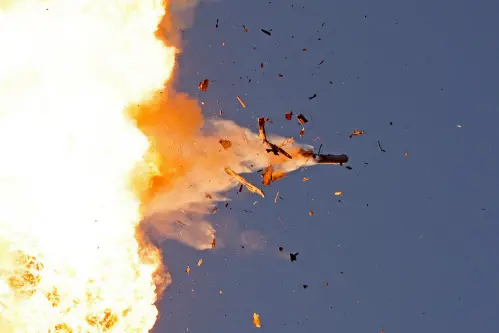
Israel and Hezbollah have entered into a ceasefire aimed at halting the latest round of hostilities along the Lebanon front, a development that could help stabilise broader diplomatic efforts involving the United States and Iran.
The truce came into effect at 4 pm local time on Friday, according to a US official familiar with the negotiations. The agreement was brokered by mediators from the United States and Qatar after intensive consultations involving Israel and Iran. A Gulf diplomatic source also confirmed that the ceasefire had been reached.
The breakthrough follows a dangerous escalation in Lebanon that threatened to derail wider regional diplomacy. Fresh exchanges between Israeli forces and Hezbollah earlier this week raised fears that the conflict could spill over and complicate ongoing efforts by Washington and Tehran to pursue a broader understanding aimed at reducing tensions across the region.
The renewed violence had already cast a shadow over planned discussions in Switzerland involving US Vice President JD Vance, with those talks being postponed amid growing uncertainty over the security situation.
The ceasefire also comes against the backdrop of increasingly public frustration from US President Donald Trump toward Israel's conduct during the conflict. While reaffirming support for Israel, Trump has recently urged restraint and pushed for an end to military operations on multiple fronts.
Speaking during the G7 summit in France, Trump criticised the scale of Israeli strikes in Lebanon, arguing that limited threats did not justify large-scale destruction in Beirut. He called for a "complete ceasefire on all fronts" and suggested that greater caution could help prevent further escalation.
The White House's concerns were echoed by Vice President Vance, who issued unusually sharp remarks directed at members of Israel's government who have publicly criticised the emerging US-Iran diplomatic framework.
Vance argued that Washington remains Israel's most significant international ally and warned Israeli leaders against undermining the administration's efforts. He emphasised that Trump's support for Israel remains unmatched among current world leaders while urging officials in Jerusalem to recognise the geopolitical realities facing the country.
Trump on Friday separately showed frustration with both Iran and critics at home who say the deal rewards Tehran without properly limiting its nuclear program.
"We didn't meet out of desperation, Iran did," Trump said on Truth Social, after Iranian supreme leader Mojtaba Khamenei said on Thursday that Trump had "used all kinds of levers" to secure the deal "out of desperation".
Trump added that the United States would "play out the 60 days" during which Iran and the United States are meant to try to thrash out a long-term deal. "They get no money, not ten cents!"
Republican hawks and Democrats alike have criticised the deal for offering sanctions relief and a $300 reconstruction fund for Iran, but Trump said Iran was now "diminished".
"How stupid can some people be???" he said in another social media post.
AFP inputs
Published: 19 Jun 2026, 07:09 pm IST
Disclaimer: Kindly avoid objectionable, derogatory, unlawful and lewd comments, while responding to reports. Such comments are punishable under cyber laws. Please keep away from personal attacks. The opinions expressed here are the personal opinions of readers and not that of Mathrubhumi.
