
Indian-origin interpreter Meenu Batra, living in the US for 35 years, has been detained by ICE in Texas.
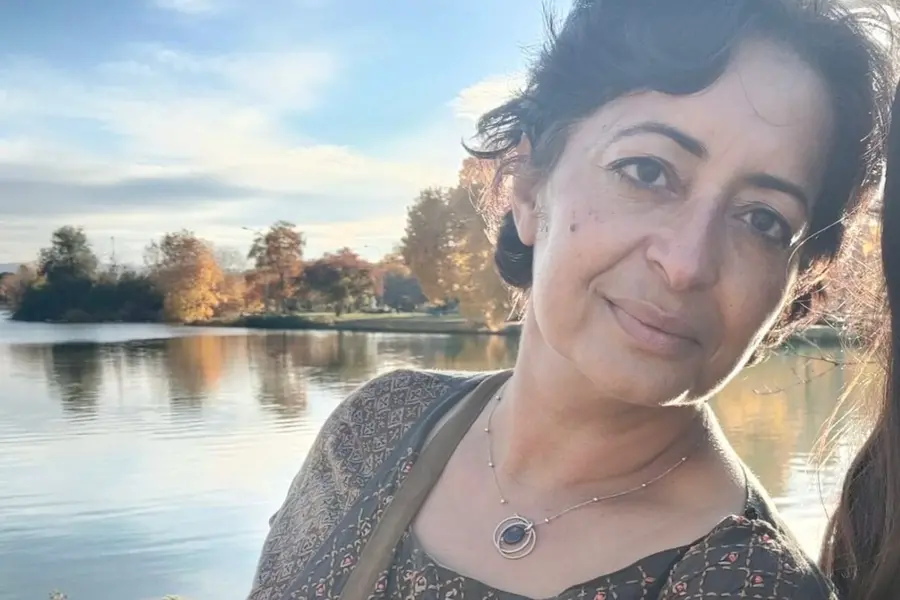
An Indian-origin woman who has lived in the United States for more than three decades has been detained by immigration authorities in Texas, raising questions about enforcement practices and due process.
Meenu Batra, 53, was taken into custody by Immigration and Customs Enforcement (ICE) agents on March 17 at Harlingen International Airport while travelling to Wisconsin for a professional assignment. According to a report by Texas Observer, Batra is the only licensed Hindi, Punjabi and Urdu legal interpreter in Texas and has worked in immigration courts for over 20 years.
Detained at airport en route to work
Batra said she was intercepted after clearing security at the airport. In a sworn deposition filed as part of a habeas corpus petition, she stated that the agents who detained her were in plain clothes and did not display badges.
One officer questioned her immigration status and asked whether she was aware of an existing deportation order. Batra responded that she had valid work authorisation, renewed regularly under a legal protection known as withholding of removal, granted by an immigration judge in New Jersey decades ago.
“That doesn’t mean you can be here forever,” the agent replied.
She told the Texas Observer she complied with the officers’ instructions, fearing that resistance could be interpreted as an attempt to evade arrest.
Legal challenge and detention conditions
Her lawyer, Deepak Ahluwalia, has filed a habeas corpus petition challenging her detention, along with a request for a temporary restraining order to prevent her transfer to another facility.
After being handcuffed, Batra was transported in an unmarked vehicle to an ICE field office in Harlingen, where she had previously worked on cases requiring interpretation. She was subsequently moved between multiple holding cells, including the El Valle Detention Center in neighbouring Willacy County.
According to the Texas Observer report, she spent 24 hours without food or water during transfers. As of mid-April, she remains in detention and has reportedly not received consistent medical care following surgeries in December. She has also developed a respiratory illness.
Dispute over legal status
Batra’s attorneys argue that the US government had not informed her of any plan to deport her, despite her long-standing legal protection. They contend that her detention violates due process.
“What is completely bizarre in this case (along with others) under the current administration is that they are detaining these individuals without any notice or motion, and circumventing the laws by removing them to countries like Sudan. This is a clear violation of our laws and our client's rights and we will fight until she has been released,” Ahluwalia said.
However, the Department of Homeland Security said Batra has had a final order of removal since 2000 and will remain in ICE custody pending deportation.
“Employment authorization does NOT confer any type of legal status in the United States,” a spokesperson said, adding that authorities encourage all “illegal aliens” to “self-deport.”
Withholding of removal and background
Batra had been granted withholding of removal, a form of legal protection typically given to individuals who face persecution in their home countries but do not qualify for asylum. The status allows them to remain in the US but does not provide a pathway to permanent residency.
Originally from India, Batra left after her parents were killed during anti-Sikh violence in the 1980s. She later settled in the US, first in New Jersey and then in Texas, where she built a career assisting South Asian immigrants navigating the legal system.
Individuals under this protection cannot be returned to their country of origin and, if deported, must be sent to a third country with which the US has agreements.
Family support and next steps
One of Batra’s children, who recently enlisted in the US military, has filed a parole application that could allow her to remain in the country in renewable one-year periods if approved. Her legal team has also submitted letters of support from members of her community.
Court filings indicate that the Department of Homeland Security has until April 21 to respond to her habeas petition.
Published: 16 Apr 2026, 09:16 am IST
Related Topics
Disclaimer: Kindly avoid objectionable, derogatory, unlawful and lewd comments, while responding to reports. Such comments are punishable under cyber laws. Please keep away from personal attacks. The opinions expressed here are the personal opinions of readers and not that of Mathrubhumi.
