
Post-graduation grace periods are slashed from 60 to 30 days, and pursuing a second degree at the same or lower academic level is now prohibited.
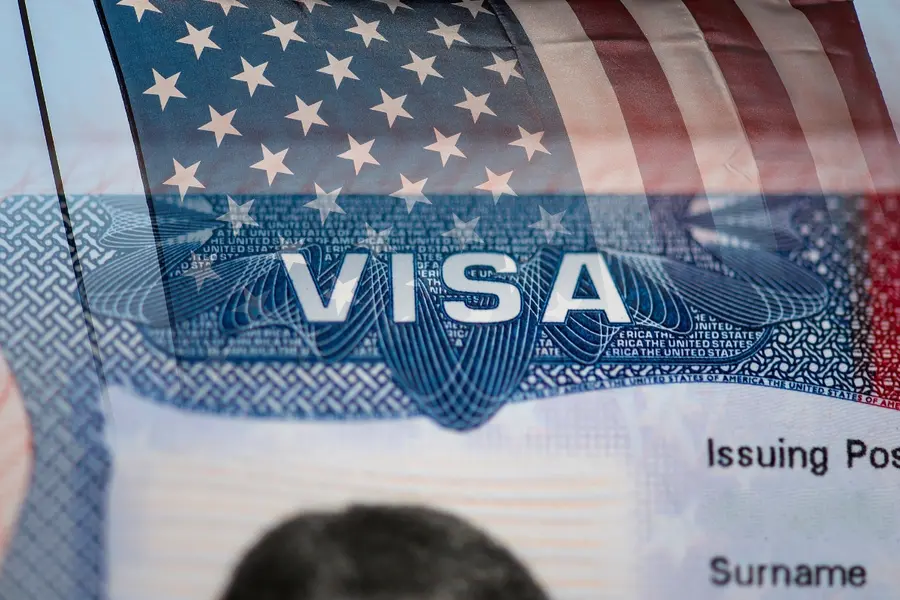
Washington: The US Department of Homeland Security’s (DHS) newly finalised rule ending the open-ended "duration of status" system will reshape the academic journeys of F-1 and J-1 visa holders. However, how the changes affect individuals depends heavily on whether they are already studying in the US or are just about to arrive.
Incoming Students: Rigid Limits From Day One
For incoming students and exchange visitors arriving after the rule takes effect in September 2026, the four-year limit applies immediately. These students will be admitted strictly for the length of their programme, up to a maximum of four years.
For those pursuing standard four-year bachelor's degrees, this timeline fits. However, students undertaking longer academic programmes, such as PhDs or medical degrees, face immediate administrative hurdles. Anyone needing more than four years must periodically apply for a formal Extension of Stay (EOS) through US Citizenship and Immigration Services (USCIS). This process requires fees, biometrics, and federal screening, introducing massive uncertainty and potential backlogs.
ALSO READ: US student visa new rules: DHS caps F-1 and J-1 visas at 4 years
Current Students: A Four-Year Transition Window
International students already residing in the US under the old "duration of status" framework are granted a temporary reprieve under transitional measures. According to the DHS announcement, these individuals will automatically transition to the new framework, but their authorised stay will be capped at a maximum of four additional years from the rule’s effective date.
This means current undergraduates or postgraduates have up to four years to complete their existing programmes without immediately filing for extensions. However, if a current student travels internationally and re-enters the US, they may immediately be moved onto a fixed-date authorisation on their I-94 record.
Shared Restrictions
Both current and incoming students will face immediate changes in post-graduation timelines and academic flexibility. The grace period to depart the US or transition to work visas after finishing a programme has been halved from 60 days to 30 days. Furthermore, both groups will be barred from pursuing a second degree at the same or lower academic level under F-1 status.
Published: 17 Jul 2026, 04:16 am IST
Related Topics
Disclaimer: Kindly avoid objectionable, derogatory, unlawful and lewd comments, while responding to reports. Such comments are punishable under cyber laws. Please keep away from personal attacks. The opinions expressed here are the personal opinions of readers and not that of Mathrubhumi.
