
The DHS cites enhanced national security and reduced immigration fraud as primary drivers.
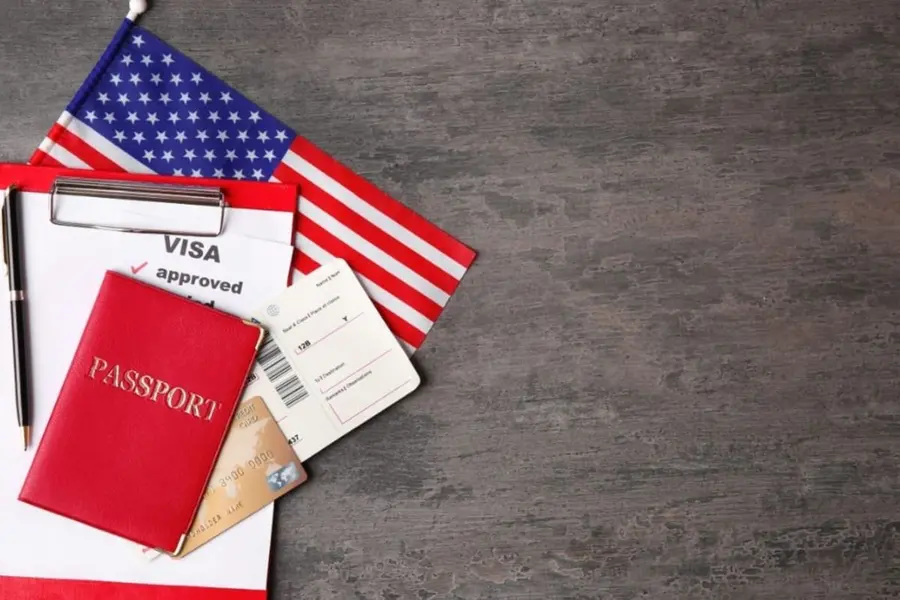
Washington: The United States Department of Homeland Security (DHS) has finalised a sweeping regulatory change that replaces the long-standing "duration of status" system for international students and exchange visitors with a fixed-term stay of up to four years.
The new rule, announced on 16 July 2026, targets non-immigrant visas in the F, J, and I classifications. It effectively ends a 1978 policy that permitted foreign students to remain in the US indefinitely, provided they maintained active enrollment and complied with academic requirements.
Under the revised framework, international students (F-1 visas) and cultural exchange participants (J-1 visas) will generally be admitted for the specific length of their programme, up to a maximum of four years. Those enrolled in English language training will see their stay capped at an aggregate of 24 months. Furthermore, the grace period for F-1 students to depart the country after graduation has been halved from 60 days to 30 days.
Rationale and National Security Concerns
The DHS stated that the regulation aims to improve oversight of temporary visa holders and strengthen national security safeguards. In an official press release, Homeland Security Secretary Markwayne Mullin argued that the old system compromised security and was "ripe for immigration fraud," enabling some individuals to perpetually enrol in courses to avoid departure.
According to data cited by Reuters, the US recorded more than 1.8 million student visa admissions in fiscal year 2024, representing an 11 per cent increase from the previous year, alongside over 500,000 exchange visitors.
Restrictions on Academic Flexibility
In addition to fixed-term stays, the regulation introduces strict limitations on academic changes. Undergraduate F-1 students will be barred from changing their study programme or major during their first year, except in exceptional circumstances. Graduate F-1 students will face even tighter restrictions, with no option to change their field of study once enrolled. Additionally, students will only be permitted to progress upward to a higher academic level, such as from a bachelor’s to a master’s degree, preventing them from pursuing a second degree at the same or a lower level.
Impacts and Transition
Immigration experts have warned that the changes could trigger immense uncertainty and financial burden.
The final rule is scheduled to be published in the Federal Register, with an effective date set for 60 days post-publication (around mid-September 2026). DHS has outlined transitional measures for current students, allowing them to remain under the old system until their current programme ends, capped at a maximum of four years from the effective date.
Published: 17 Jul 2026, 03:47 am IST
Related Topics
Disclaimer: Kindly avoid objectionable, derogatory, unlawful and lewd comments, while responding to reports. Such comments are punishable under cyber laws. Please keep away from personal attacks. The opinions expressed here are the personal opinions of readers and not that of Mathrubhumi.
