
Katz disclosed that the IDF had launched an intensive effort to find Khamenei, who reportedly went into hiding during the conflict
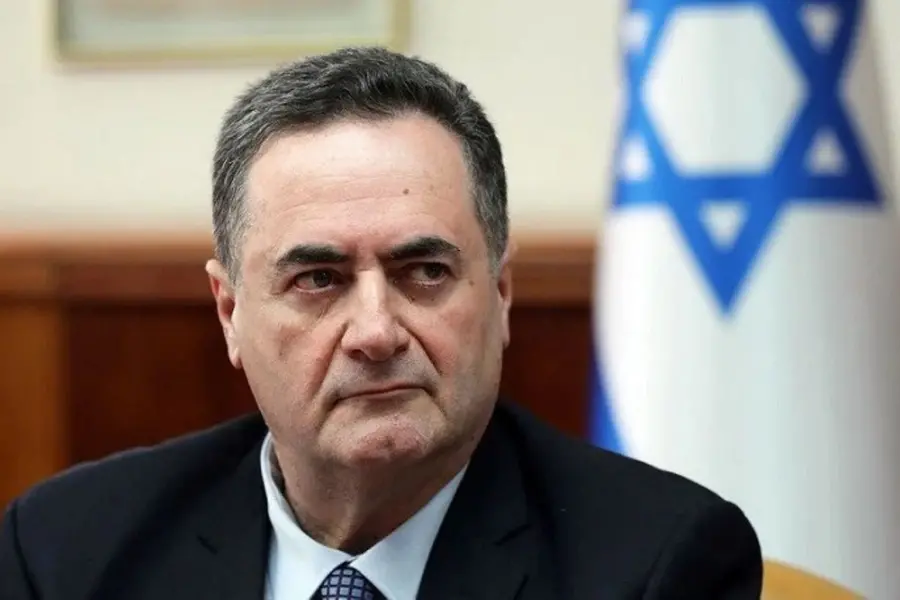
Jerusalem: In a dramatic revelation, Israeli Defence Minister Israel Katz has confirmed that Israel’s military actively attempted to assassinate Iran’s Supreme Leader, Ayatollah Ali Khamenei, during the recent flare-up in hostilities between the two countries — but ultimately aborted the mission after failing to locate him.
Speaking in back-to-back primetime interviews on Channel 12, Channel 13, and the state-run Kan broadcaster, Katz disclosed that the Israel Defense Forces (IDF) had launched an intensive effort to find Khamenei, who reportedly went into hiding during the conflict. “We searched a lot,” Katz stated on Channel 13. “Our aim wasn’t regime change, but to destabilise the leadership and apply pressure on Iran.”
The conflict, which erupted on June 13 and concluded with a US-brokered ceasefire on June 25, was marked by widespread Israeli airstrikes across Iranian territory. The strikes reportedly killed several high-ranking Iranian commanders and nuclear scientists. Katz said Israel maintained complete aerial superiority and adopted a strategy of “enforcement actions” designed to thwart Iran’s attempts to rebuild its nuclear and missile infrastructure.
When asked whether Israel sought American approval for the Khamenei operation, Katz said bluntly, “We don’t need permission for these things.” He drew parallels with Hezbollah’s leader Hassan Nasrallah, who was killed last year, warning that Khamenei should “learn from the late Nasrallah.”
Adding to the volatile climate, former US President Donald Trump made thinly veiled threats toward Khamenei during the conflict. On June 17, Trump posted on social media, “We know exactly where the so-called ‘Supreme Leader’ is hiding… We are not going to take him out (kill!), at least not for now.” He later clarified that toppling Iran’s regime was not the U.S. objective.
Despite that, Trump authorized Operation Midnight Hammer — a wave of precision airstrikes targeting three Iranian nuclear sites. White House Press Secretary Karoline Leavitt hailed the strikes as a “total obliteration,” claiming they severely degraded Iran’s nuclear program. “Even Iran’s foreign minister and the UN acknowledged the scale of damage,” she asserted.
The latest disclosures mark a sharp escalation in rhetoric and tactics in the long-standing shadow war between Israel and Iran, and are likely to raise significant concerns about the potential for renewed conflict in the region.
Published: 27 Jun 2025, 10:52 am IST
Related Topics
Disclaimer: Kindly avoid objectionable, derogatory, unlawful and lewd comments, while responding to reports. Such comments are punishable under cyber laws. Please keep away from personal attacks. The opinions expressed here are the personal opinions of readers and not that of Mathrubhumi.
