
Israeli drone strikes in southern Lebanon killed at least four people despite a ceasefire agreement, drawing criticism from US President Donald Trump and prompting fresh warnings from Iran over continued military operations.
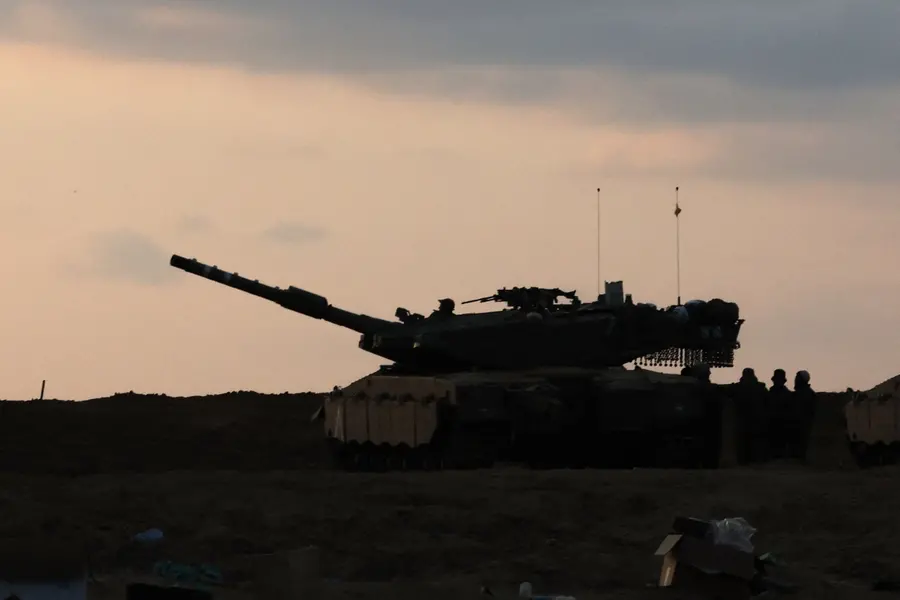
Beirut: At least four people were killed in southern Lebanon after Israeli drone strikes targeted two vehicles in Mayfadoun, while another attack was reported in the nearby town of Shoukin. The strikes occurred despite a peace deal intended to reduce hostilities across the region and have renewed concerns about the stability of the fragile ceasefire.
Earlier on June 17, Israeli warplanes also carried out air raids on areas around Nabatieh al-Fawqa and the eastern outskirts of Kfar Tebnit. A separate drone strike targeted Ansariyeh in the Zahrani district, according to Lebanon's National News Agency (NNA). The latest attacks have heightened tensions along the Israel-Lebanon border and raised fears of further escalation.
Also Read

The strikes have triggered strong reactions from Iran, which accused Israel of repeatedly violating the ceasefire agreement. Iranian officials claimed that Israel has breached the truce dozens of times since the deal was reached and warned that continued attacks could provoke a severe response.
Iranian Foreign Minister Abbas Araghchi argued that peace cannot be achieved while Israeli forces remain in southern Lebanon. He stated that the conflict would effectively continue until Israeli troops withdraw from occupied Lebanese territory. Iranian parliamentary speaker and negotiator Mohammad Bagher Ghalibaf also called on the United States to pressure Israel to end military operations and pull its forces out of Lebanon.
The issue became a topic of discussion at the G7 Summit in France, where US President Donald Trump publicly criticised Israeli Prime Minister Benjamin Netanyahu over Israel's military tactics. Trump argued that the scale of Israeli attacks was excessive and questioned the need to destroy entire residential buildings when targeting individual Hezbollah operatives.
Trump also warned that prolonged military action risked undermining diplomatic efforts and his broader peace initiatives in the region. While reiterating his strong support for Israel, he urged Netanyahu to exercise greater restraint and responsibility in dealing with the conflict in Lebanon.
The latest violence highlights the continuing instability in the Middle East and growing differences between Washington and Jerusalem over how to balance security concerns with efforts to maintain regional peace and prevent a wider conflict.
Published: 17 Jun 2026, 11:41 am IST
Disclaimer: Kindly avoid objectionable, derogatory, unlawful and lewd comments, while responding to reports. Such comments are punishable under cyber laws. Please keep away from personal attacks. The opinions expressed here are the personal opinions of readers and not that of Mathrubhumi.