
Iran rejects Trump's latest threats as US economic and military pressure intensifies. Tehran demands commitments before reopening the Strait of Hormuz.
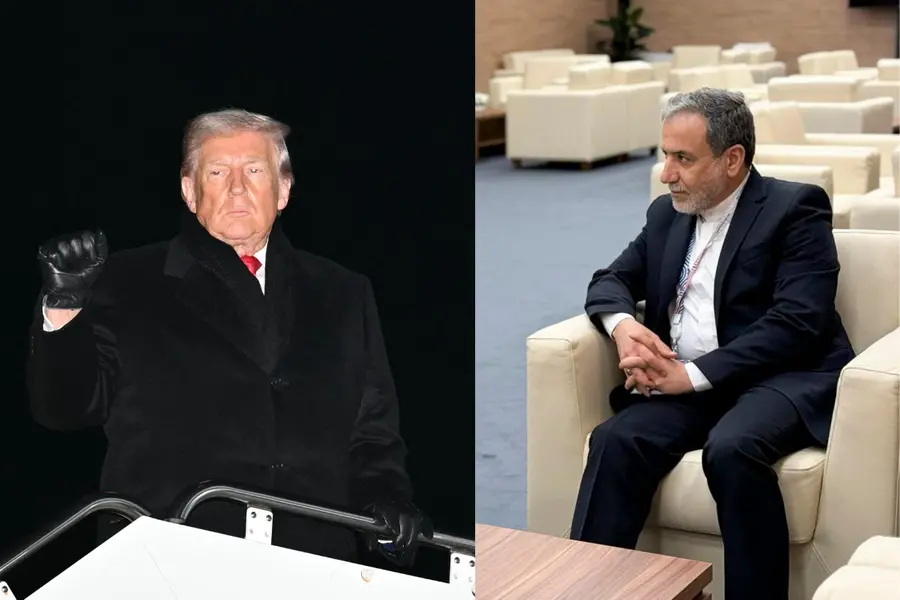
Tehran: Tensions between Iran and the United States remain high as Washington intensifies economic and military pressure while Tehran rejects Trump's threats and insists that conditions must be met before the Strait of Hormuz is reopened.
Iran's Islamic Revolutionary Guard Corps chief Ahmad Vahidi said the country had established what he described as a "solid defensive shield" against external threats.
Also Read

Vahidi said Iran was facing new forms of combined and military aggression and argued that continuing its strategy of strengthening both defensive and offensive capabilities was the most effective response.
His comments came as the United States escalated pressure on Tehran through economic measures targeting oil smuggling networks, financial transfers, exchange houses, ship registries and front companies.
US President Donald Trump has described the campaign as an "Economic D-Day" and called on American allies to join Washington in isolating Iran.
Tehran rejects US economic pressure
Iranian Foreign Minister Abbas Araghchi dismissed the latest US pressure campaign, arguing that previous rounds of sanctions and "maximum pressure" had failed.
Araghchi said Tehran had seen similar US strategies before and predicted that the latest economic campaign would also fail.
Iranian officials have also linked the reopening of the Strait of Hormuz to US commitments under a 14-point memorandum of understanding. Iranian Parliament Speaker Mohammad Bagher Ghalibaf said conditions included lifting the blockade, releasing frozen Iranian assets and easing oil sanctions.
Strait of Hormuz becomes central flashpoint
The strategic Strait of Hormuz remains at the centre of the confrontation because of its importance to global energy shipments.
Trump has claimed that the United States has control over the waterway and has described it as "American territory". He has also said Washington is effectively controlling the region around the strait.
Iran and Oman have meanwhile discussed progress towards a bilateral agreement concerning navigation through the waterway, according to the reported updates.
The US Central Command said its forces had redirected 68 commercial vessels, disabled three and boarded two as of August 21, while more than 20 warships were supporting the naval blockade.
Trump says Iran is not ready for a deal
Trump said Iran would like to reach an agreement but was not prepared to accept what he considered the "right deal".
He also indicated that US military options remained open and claimed that Iran's military and economic capabilities had been severely weakened.
The comments came as the conflict approached its six-month mark, despite Trump's earlier predictions that the fighting would end quickly.
Iran's president acknowledges pressure
Iranian President Masoud Pezeshkian said the war would eventually have to end and argued that ending it while Iran remained strong would be preferable.
At the same time, Pezeshkian acknowledged growing dissatisfaction inside Iran as the conflict and economic restrictions affect daily life.
He said US sanctions and the naval blockade had disrupted imports and exports and questioned whether the government's fuel subsidy system could remain financially sustainable.
The latest developments show that the Iran-US confrontation remains locked in a cycle of military pressure, economic restrictions and competing demands for negotiations.
For Washington, control over the Strait of Hormuz and pressure on Iran's economic lifelines have become key elements of the strategy. For Tehran, reopening the waterway is being linked to specific US commitments, including sanctions relief and the lifting of the blockade.
The situation also has wider implications because the Strait of Hormuz is a major energy route. Continued disruption or military escalation around the waterway could affect shipping, energy markets and countries dependent on oil and gas imports.
Diplomatic contacts involving Oman could provide a potential channel for negotiations, but the positions publicly stated by Washington and Tehran remain far apart. With the conflict nearing six months, both sides continue to signal that they are prepared to maintain pressure rather than immediately accept the other's terms.
Published: 22 Aug 2026, 06:48 am IST
ABOUT THE AUTHOR
Disclaimer: Kindly avoid objectionable, derogatory, unlawful and lewd comments, while responding to reports. Such comments are punishable under cyber laws. Please keep away from personal attacks. The opinions expressed here are the personal opinions of readers and not that of Mathrubhumi.