
A third ship attack in the Strait of Hormuz is shaking global markets—just as a US-Iran ceasefire holds. Is a bigger crisis brewing beneath the surface?
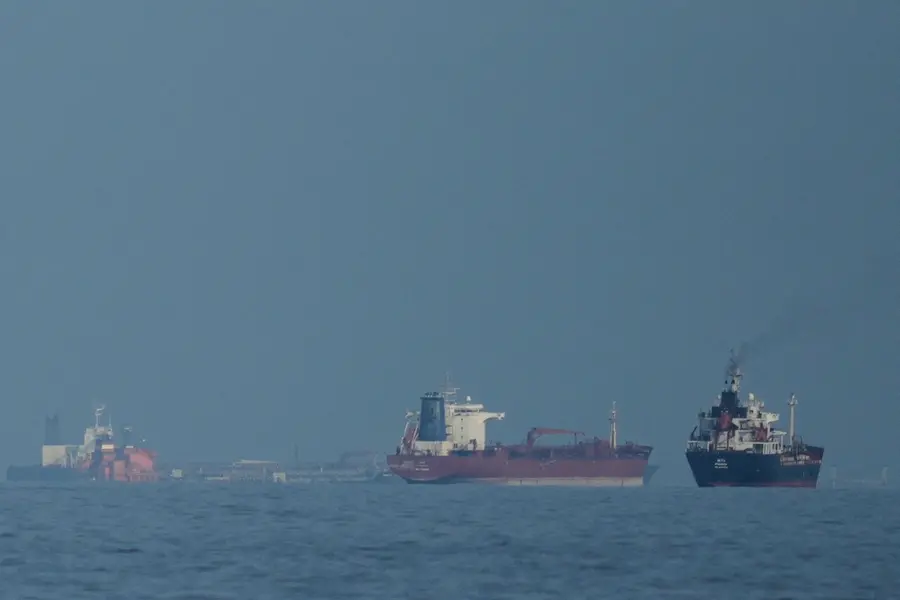
Tensions in the Middle East remain fragile as Iran’s paramilitary forces reportedly targeted a third vessel in the Strait of Hormuz, raising fresh concerns about global oil supplies and the future of ongoing peace efforts.
According to Iranian semi-official news agencies, the ship, identified as Euphoria, was attacked on Wednesday and later became “stranded” along Iran’s coast. This marks the third such maritime incident in recent days, with two earlier vessels already seized by Iranian forces.
The development comes at a critical moment, just as diplomatic efforts appear to be stalling.
Ceasefire extended, but peace talks stall
US President Donald Trump has announced that Washington will indefinitely extend its ceasefire with Iran, even as negotiations to formally end the conflict remain on hold.
A planned second round of talks, which Pakistan was set to host, has now been disrupted. The White House also cancelled Vice President JD Vance’s visit to Islamabad after Iran showed reluctance to rejoin negotiations.
Iran acknowledged the ceasefire extension but stopped short of committing to fresh talks. Foreign Ministry spokesperson Esmail Baghaei said, "Diplomacy is a tool for securing national interests and security, and whenever we reach the conclusion that the necessary and reasonable conditions exist to use this tool to achieve national interests and to consolidate the achievements of the Iranian nation in thwarting the enemies’ malicious objectives, we will take action."
Why the third ship attack matters globally
The Strait of Hormuz handles a significant share of the world’s oil shipments, making any disruption a direct threat to global energy markets.
Experts warn that repeated attacks on shipping lanes could:
- Push oil prices higher
- Disrupt supply chains worldwide
- Increase costs of everyday goods
Already, industries are feeling the pressure. Manufacturers report that petroleum-based materials, used in everything from clothes to toys, have seen price increases of 10–15% within weeks of the conflict escalating.
Energy crisis could last years, EU warns
The impact is already being felt globally. The European Union has warned that the crisis could rival past energy shocks.
EU Energy Commissioner Dan Jorgensen said, "This is not a short-term, small increase in prices. This is a crisis that is probably as serious as the 1973 and the 2022 crises combined."
He added that the conflict is costing Europe roughly 500 million euros (USD 600 million), with the possibility of long-term price volatility lasting months or even years.
With AP inputs
Published: 22 Apr 2026, 08:19 pm IST
Related Topics
Disclaimer: Kindly avoid objectionable, derogatory, unlawful and lewd comments, while responding to reports. Such comments are punishable under cyber laws. Please keep away from personal attacks. The opinions expressed here are the personal opinions of readers and not that of Mathrubhumi.
