
The incident comes amid a US ceasefire extension aimed at reviving diplomatic talks between Washington and Tehran in Pakistan
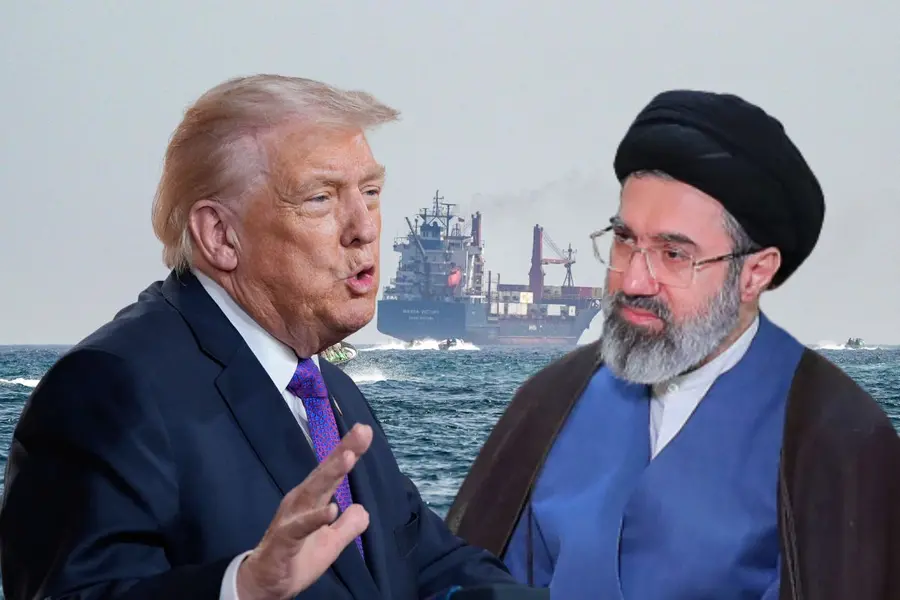
Dubai: Iran opened fire on a container vessel in the Strait of Hormuz on Wednesday, causing damage to the ship and adding fresh complications to ongoing efforts to bring the United States and Iran to the negotiating table in Pakistan to end the war.
The incident occurred hours after US President Donald Trump announced that Washington would indefinitely extend its ceasefire with Iran. The truce had been due to expire on Wednesday, but the extension was granted to allow Tehran additional time to present what Trump described as a “unified proposal” ahead of possible talks.
Iran has not formally responded to the announcement of the extended ceasefire.
Pakistan pushes for dialogue
Pakistan’s Prime Minister Shehbaz Sharif welcomed the decision, stating that the extension would support ongoing diplomatic initiatives.
“With the trust and confidence reposed in us, Pakistan shall continue its earnest efforts for a negotiated settlement of the conflict,” he said in a message posted on X.
Despite the extension, Trump indicated that the United States would maintain its blockade of Iranian ports. Tehran has described the blockade as “unacceptable” and suggested it is a key reason for its reluctance to participate in talks in Islamabad.
Revolutionary guard issues warning
Iran’s paramilitary Revolutionary Guard declared on Wednesday that it would “deliver crushing blows beyond the enemy’s imagination to its remaining assets in the region.”
According to the United Kingdom Maritime Trade Operations Centre, which is operated by the British military, a Revolutionary Guard gunboat fired on the container ship without issuing any prior warning. The agency confirmed that there were no casualties.
However, Iran’s Nour News reported that the vessel was targeted only after it had allegedly ignored warnings from Iranian forces. The country’s semi-official Fars news agency described the action as a lawful move to enforce control over the Strait of Hormuz.
Escalation after recent maritime incidents
The latest development comes days after US forces seized an Iranian container ship following an exchange of fire over the weekend. American personnel also boarded an oil tanker linked to Iran’s oil trade in the Indian Ocean.
The Strait of Hormuz remains a vital global shipping route, with roughly 20 per cent of the world’s oil and natural gas passing through it during peacetime. The waterway, which connects the Persian Gulf to open seas, had remained fully operational until the United States and Israel launched attacks on Iran on February 28, triggering the current conflict.
Since then, Iran has restricted shipping through the strait, leading to a surge in oil prices and wider economic repercussions.
Oil prices surge amid tensions
In early trading on Wednesday, Brent crude, the global benchmark, was priced at nearly $98 per barrel. This marks an increase of more than 30 per cent since the conflict began.
Talks remain uncertain
Pakistan has been actively working to facilitate a second round of negotiations between Washington and Tehran. While Iranian authorities have yet to confirm their participation, Pakistani officials have expressed confidence that a delegation from Tehran will attend.
The initial round of talks, held on April 11 and 12, concluded without any agreement.
Over the weekend, Iran acknowledged receiving fresh proposals from Washington, but indicated that significant differences remain. Key sticking points include Iran’s nuclear enrichment programme, its network of regional allies, and issues surrounding the Strait of Hormuz.
Following the ceasefire extension, António Guterres expressed hope that the move would open up “critical space for diplomacy and confidence-building between Iran and the United States,” according to his spokesperson, Stephane Dujarric.
Rising death toll in ongoing conflict
The war has led to heavy casualties across the region. Iranian authorities report that at least 3,375 people have been killed in Iran. In Lebanon, the death toll has exceeded 2,290, while 23 people have been killed in Israel. More than a dozen fatalities have also been reported in Gulf Arab states.
Additionally, 15 Israeli soldiers have been killed in Lebanon, and 13 US service members have died across various locations in the region.
Agency inputs
Published: 22 Apr 2026, 12:23 pm IST
Related Topics
Disclaimer: Kindly avoid objectionable, derogatory, unlawful and lewd comments, while responding to reports. Such comments are punishable under cyber laws. Please keep away from personal attacks. The opinions expressed here are the personal opinions of readers and not that of Mathrubhumi.
