
Iran has dismissed Donald Trump's suggestion of a future meeting with Supreme Leader Mojtaba Khamenei, with Foreign Minister Abbas Araghchi urging the US president to "live in the real world" amid ongoing tensions between Washington and Tehran.
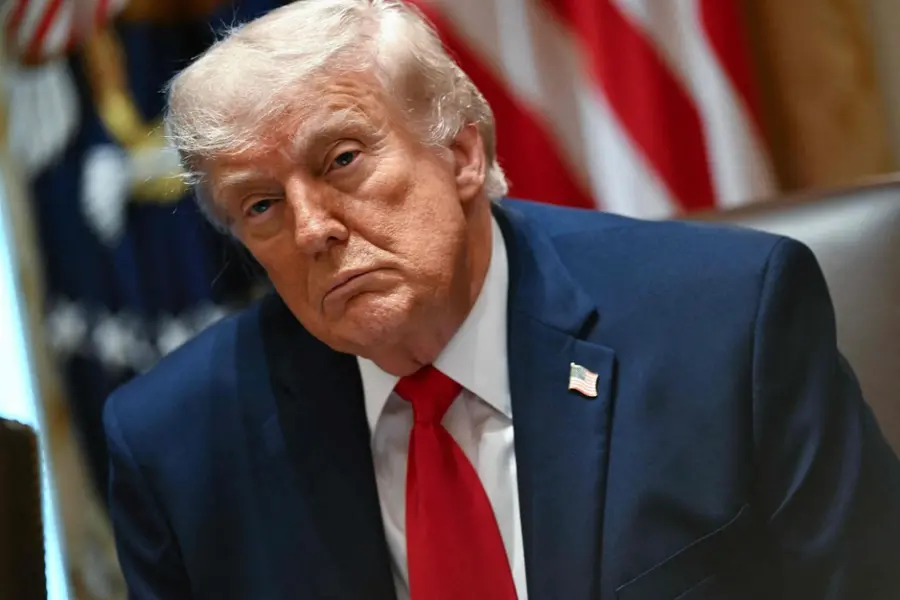
Tehran: Iranian Foreign Minister Abbas Araghchi has rejected US President Donald Trump's suggestion that he could eventually meet Iran's Supreme Leader Mojtaba Khamenei.
Speaking in an interview with Lebanese broadcaster Al Mayadeen, Araghchi said expectations of such a meeting were unrealistic under current circumstances and appeared disconnected from political realities.
Also Read

"I think we should be realistic and think and live in the real world," the Iranian foreign minister said when asked about Trump's remarks.
What Trump said
Earlier this week, Trump expressed optimism about the possibility of direct engagement with Iran's leadership if diplomatic discussions between the two countries continued to make progress.
The US president suggested that a future meeting with Mojtaba Khamenei could be possible and indicated that ongoing contacts between Washington and Tehran might eventually pave the way for broader negotiations.
Trump has repeatedly signalled his willingness to pursue direct diplomacy with Iranian leaders as part of efforts to reach a wider agreement on regional security issues and Iran's nuclear programme.
Who is Mojtaba Khamenei?
Mojtaba Khamenei became Iran's Supreme Leader in March 2026 following the death of his father, Ali Khamenei, during US-Israeli military strikes on Iran.
Since assuming the country's highest political and religious office, Mojtaba Khamenei has maintained a relatively low public profile. However, Iranian and international observers believe he continues to play a central role in shaping Tehran's domestic and foreign policy decisions.
Diplomatic gap remains wide
Despite occasional signs of diplomatic engagement, significant differences remain between Washington and Tehran.
Iranian officials have repeatedly pointed to continuing disputes over sanctions, regional security concerns and broader geopolitical conflicts across the Middle East as major obstacles to meaningful progress.
Araghchi's comments underline Tehran's reluctance to raise expectations about a breakthrough while fundamental disagreements remain unresolved.
Relations remain fragile
The exchange comes at a time when US-Iran relations remain highly sensitive following months of military confrontation, diplomatic disputes and regional instability.
Although both sides have publicly expressed interest in dialogue, the latest remarks highlight the continuing trust deficit between the two countries.
While Trump continues to promote the possibility of a historic diplomatic opening, Iranian leaders appear determined to emphasise that any future engagement will depend on concrete political developments rather than public statements.
Published: 06 Jun 2026, 07:22 pm IST
Disclaimer: Kindly avoid objectionable, derogatory, unlawful and lewd comments, while responding to reports. Such comments are punishable under cyber laws. Please keep away from personal attacks. The opinions expressed here are the personal opinions of readers and not that of Mathrubhumi.