
Iran has announced a new system to regulate maritime traffic through the Strait of Hormuz, marking a significant escalation in regional tensions even as diplomatic and military narratives continue to clash.
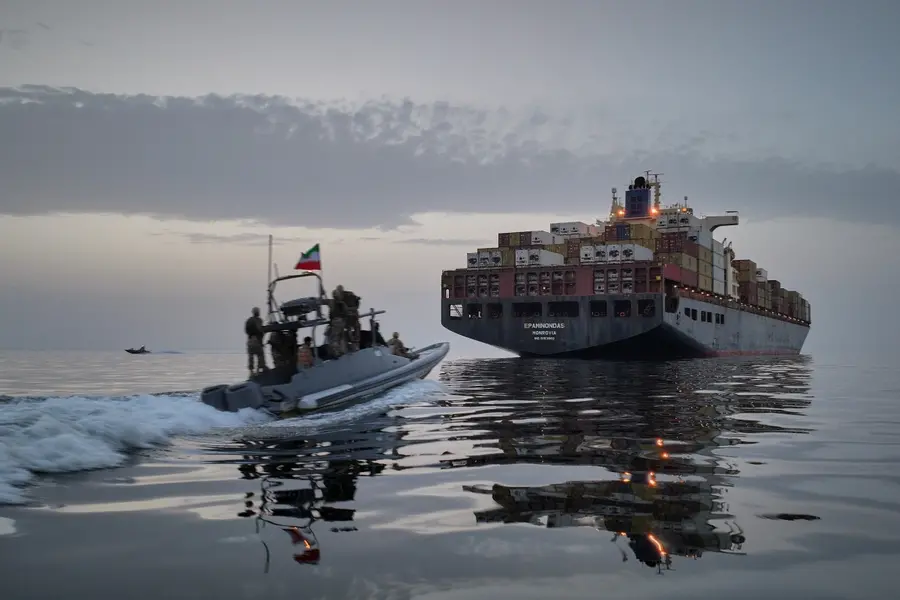
Tehran: Iran has moved to tighten its control over one of the world’s most critical shipping routes, the Strait of Hormuz, by introducing a new system to regulate all maritime traffic. The development comes amid escalating tensions with the United States, following reports of attacks on vessels and rising regional warnings, signalling both a strategic shift on the ground and growing uncertainty for global energy and trade flows.
Iran has introduced a new system to regulate all maritime traffic passing through the Strait of Hormuz, one of the world’s most critical shipping routes. Under the new mechanism, vessels seeking passage will receive official transit instructions from Iranian authorities, and only routes designated by the Islamic Revolutionary Guard Corps will be considered safe.
Also Read

The move signals a significant tightening of control over the narrow waterway, which handles a large share of global oil shipments and is vital to international trade.
What triggered the latest escalation?
The announcement comes amid heightened tensions between Iran and the United States. Reports have claimed that US forces attacked two cargo vessels travelling from Oman towards Iran, resulting in civilian casualties. Iranian officials have strongly condemned the incident, describing it as an act of aggression and warning that such actions could further inflame the situation.
The development follows weeks of military and political strain in the region, with both sides exchanging warnings and accusations.
What rules must ships now follow?
Under the newly introduced system:
- Ships must adhere strictly to Iran-designated maritime corridors
- Transit instructions will be issued directly by Iranian authorities
- Any deviation from approved routes may be considered unsafe
The Islamic Revolutionary Guard Corps has warned that compliance is essential for safe passage, effectively placing operational control of the route under Iranian oversight.
What warnings has Iran issued to the region?
Iran has also issued a strong warning to the United Arab Emirates, stating that any military action launched from its territory against Iran would trigger a severe response. Iranian officials have repeatedly stressed that any further escalation by the US or its allies would carry significant consequences.
Senior figures have suggested that Iran has not yet fully exercised its capabilities, signalling the potential for further escalation if tensions continue to rise.
What is Iran’s diplomatic stance?
Despite the military rhetoric, Iran has indicated that diplomatic efforts will continue. Foreign Minister Abbas Araghchi is travelling to China for high-level talks, reflecting Tehran’s position that dialogue remains essential.
Iran has maintained that the ongoing crisis demonstrates there is no military solution in the region, while emphasising that negotiations will be pursued from a position of strength.
The Strait of Hormuz is a critical chokepoint for global energy supplies, and any disruption or tighter control has immediate worldwide effects. Following the latest developments, oil prices have risen sharply, reflecting concerns over supply risks and regional instability.
The situation highlights the fragile balance between military action and diplomacy in West Asia. With tensions still high, the future of maritime security and global energy flows through the Strait of Hormuz remains uncertain.
Published: 06 May 2026, 07:14 am IST
Disclaimer: Kindly avoid objectionable, derogatory, unlawful and lewd comments, while responding to reports. Such comments are punishable under cyber laws. Please keep away from personal attacks. The opinions expressed here are the personal opinions of readers and not that of Mathrubhumi.