
Mystery airstrikes hit Iran after the US ended its military operations, sparking fresh uncertainty over the attackers and raising regional tensions.
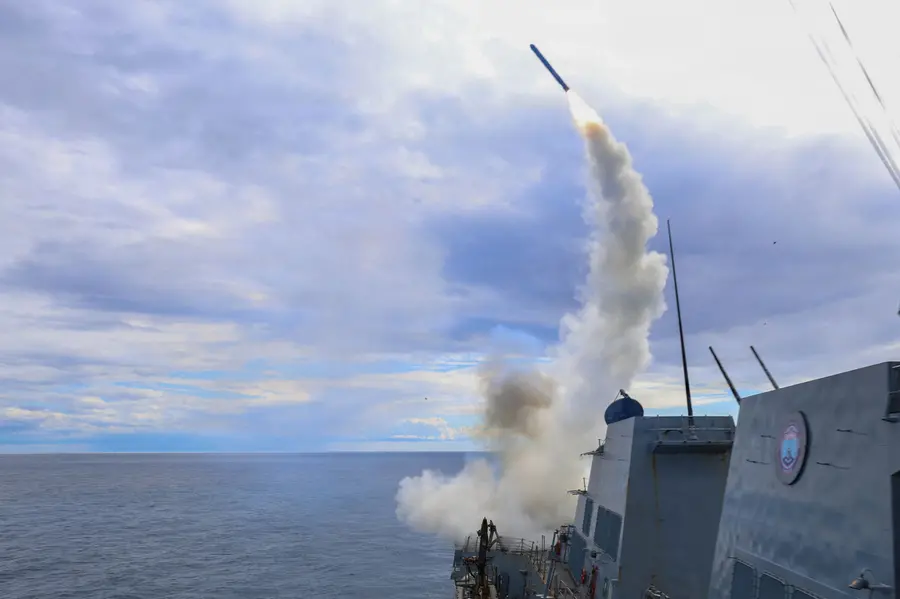
Dubai: Unclaimed airstrikes that hit Iran after the United States announced the end of its military operations have raised fresh questions over who carried out the attacks, with no country taking responsibility so far.
The strikes took place on Thursday as Iran was preparing to bury former Supreme Leader Ayatollah Ali Khamenei. Explosions were reported in several areas across southern Iran, including Bushehr and Sistan and Baluchestan provinces, as well as the cities of Ahvaz and Chabahar.
Also Read

Iran has not directly blamed any country for the attacks, though a senior Iranian lawmaker accused the United Arab Emirates (UAE) of supporting the US campaign against Tehran.
Iran warns UAE over alleged support
Iranian state media quoted Esmail Kousari, a member of Iranian parliament’s national security committee and former Revolutionary Guard commander, as warning that the UAE would “pay the price” for alleged cooperation with the United States.
Iran has repeatedly accused Gulf Arab nations of assisting the US military campaign, allegations that these countries have denied.
Gulf states, which Iran has targeted during the ongoing conflict, did not immediately comment on the latest strikes.
US says its strikes were completed
The US military’s Central Command said on Thursday morning that it had completed a round of attacks targeting around 90 locations in Iran.
Soon after the announcement, Iranian media reported additional airstrikes and explosions in multiple regions. However, the US military did not respond to requests for comment on whether it was involved in the later attacks.
Israel, which had also participated in the conflict against Iran, has not claimed responsibility for the latest strikes. Israeli officials have traditionally acknowledged their military operations against Iran.
Iran launches wider regional attacks
Following the strikes, Iran launched a broader wave of attacks across the Middle East, targeting Bahrain, Jordan, Kuwait and Qatar.
Missile alert systems were activated in the four countries, forcing residents to take shelter. One person was reportedly injured in Kuwait as air defence systems intercepted incoming attacks.
UAE President Sheikh Mohammed bin Zayed Al Nahyan travelled to Kuwait after the strikes to meet the country’s leadership. Gulf countries also held discussions with Qatar’s foreign minister amid rising regional tensions.
Strait of Hormuz remains a major flashpoint
The conflict has also intensified tensions around the Strait of Hormuz, a crucial global shipping route through which around one-fifth of the world’s traded oil and natural gas passed before the war began.
Iran has said the strait should come under its sole control and that ships should begin to pay fees to Tehran.
Iran’s restrictions on the strait contributed to a global energy crisis, pushing oil prices to around $120 a barrel during wartime peaks. Prices have since fallen.
A US Navy-backed maritime body, the Joint Maritime Information Center, advised ships to use a southern route through Oman’s territorial waters to avoid possible attacks. The advisory came after three vessels were hit earlier in the conflict.
According to data from analytics firm Kpler, only 22 ships passed through the strait on Thursday, down from 30 on Wednesday and 41 on Tuesday.
Israel keeps military alert
Meanwhile, Israel has warned it remains prepared to launch further operations against Iran if required.
Israeli Defence Minister Israel Katz said the military was ready to restore air superiority and conduct further strikes if threats emerged.
The latest developments have deepened uncertainty in the region, with questions still lingering over the perpetrators of the mysterious airstrikes and the possibility of counterstrikes.
(With agency inputs)
Published: 10 Jul 2026, 10:18 pm IST
Related Topics
Disclaimer: Kindly avoid objectionable, derogatory, unlawful and lewd comments, while responding to reports. Such comments are punishable under cyber laws. Please keep away from personal attacks. The opinions expressed here are the personal opinions of readers and not that of Mathrubhumi.