
Negotiations aimed at reaching a permanent agreement are expected to begin following Khamenei's funeral
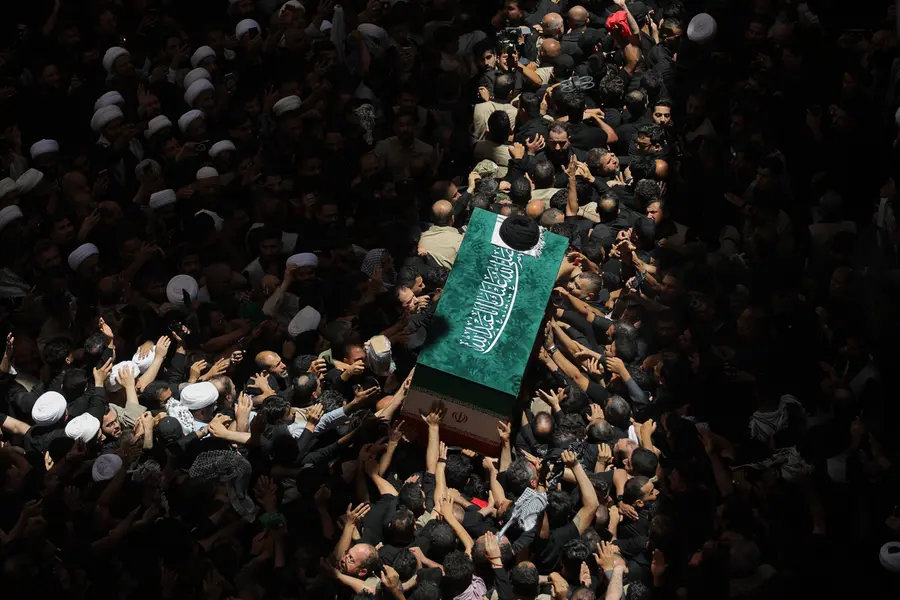
Dubai, United Arab Emirates: Iran's Supreme Leader Ayatollah Ali Khamenei was laid to rest in his hometown of Mashhad on Friday, months after he was killed in the opening phase of the Iran war.
Khamenei, who ruled Iran for nearly 37 years, died in the US and Israeli airstrikes that marked the beginning of the conflict on February 28. His funeral followed several days of nationwide mourning, with authorities shutting down streets, airspace and public life in Tehran and other cities as thousands gathered to pay their respects.
While the funeral ceremonies concluded, tensions in the region escalated again as the United States launched fresh airstrikes on Iran early Thursday. Tehran responded by targeting US-allied countries across the Middle East, raising fears that a fragile interim ceasefire could collapse.
Air raid sirens sounded in Bahrain, Jordan and Kuwait, while Iranian missiles and drones targeted military facilities linked to the United States. Iran also accused Washington of striking areas near its Bushehr nuclear power plant, though the US military did not confirm the claim.
The US Central Command said it struck 90 targets across Iran, describing the operation as an effort to "further degrade" Iran's ability "to threaten freedom of navigation" through the Strait of Hormuz, a critical global energy shipping route.
The latest exchange came after US President Donald Trump warned Tehran against further attacks on shipping in the strategic waterway.
"This is in retribution for yesterday's bombing of ships by Iran. If it happens again, it will get much worse!"
Trump also said the renewed fighting would not become a prolonged military campaign but reiterated previous warnings that the US could target Iran's civilian infrastructure if hostilities continued.
Iran, meanwhile, struck a defiant tone. Parliament Speaker Mohammad Bagher Qalibaf wrote on X, "America still hasn't learned that bullying and breaking promises are no longer cost-free. Let me put it plainly: If you strike, you'll get hit."
Iranian Foreign Minister Abbas Araghchi held talks with senior officials from Saudi Arabia, Turkey, Oman and Pakistan as diplomatic efforts continued to prevent the conflict from spiralling further.
Negotiations aimed at reaching a permanent agreement are expected to begin following Khamenei's funeral, with discussions likely to focus on reopening the Strait of Hormuz and addressing Iran's nuclear programme.
Published: 10 Jul 2026, 04:45 am IST
Disclaimer: Kindly avoid objectionable, derogatory, unlawful and lewd comments, while responding to reports. Such comments are punishable under cyber laws. Please keep away from personal attacks. The opinions expressed here are the personal opinions of readers and not that of Mathrubhumi.
