
As unrest rocks Bangladesh and Nepal ahead of crucial elections, Sri Lankan MP Namal Rajapaksa argues that only India can prevent South Asia from sliding into deeper chaos.
At a moment when New Delhi’s equations with Pakistan and Bangladesh remain strained, unexpected backing has emerged from the Indian Ocean neighbourhood.
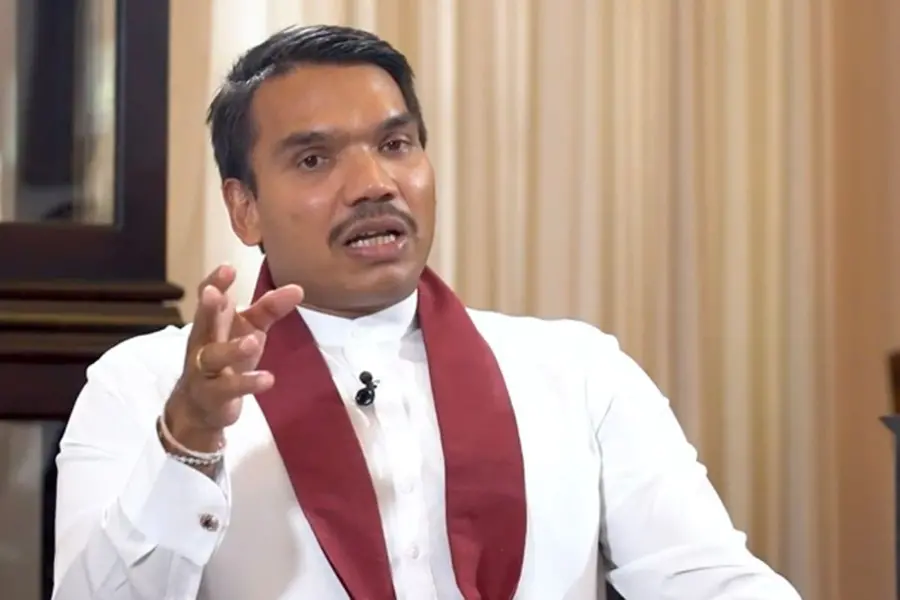
Sri Lankan MP Namal Rajapaksa has publicly pitched India as the stabilising anchor South Asia desperately needs, warning that unchecked political unrest and extremist interference could spiral into a wider regional crisis.
Also Read

In a strongly worded post on X, Namal — the eldest son of former Sri Lankan President Mahinda Rajapaksa — argued that recent upheavals across South Asia follow a disturbingly familiar script: public anger, political paralysis, and sudden regime change.
“Bangladesh, Nepal and Sri Lanka have all witnessed political turbulence marked by public unrest and changes in government,” he wrote, calling for tighter regional coordination to prevent future breakdowns.
A pattern of unrest
Sri Lanka was the first domino to fall. In 2022, mass protests over economic collapse and alleged corruption forced then President Gotabaya Rajapaksa out of office, setting off shockwaves across the region.
Bangladesh followed in 2024. What began as a student-led protest against a controversial jobs quota quickly snowballed into nationwide violence, culminating in the exit of Prime Minister Sheikh Hasina, who fled to India as an interim administration took charge.
By 2025, Nepal saw its own version of upheaval. A Gen Z-led backlash against a proposed social media ban morphed into a wider anti-corruption movement, forcing Prime Minister KP Sharma Oli and the President to step down.
Why India, why now
Rajapaksa hinted that these movements may not be entirely organic, warning that extremist groups could be exploiting domestic grievances to destabilise governments.
“Addressing these challenges requires a collective commitment to counter extremism, prevent political violence, and safeguard minority rights,” he said, underlining that India’s leadership is “central to maintaining long-term peace and stability.”
The reference to minority protection carries added weight amid growing reports of attacks on Hindus in Bangladesh, where anti-India rhetoric has intensified in recent months.
Elections as a stress test
With high-stakes elections approaching in Nepal and Bangladesh, Rajapaksa framed the polls as a make-or-break moment for the region’s democratic credibility.
“Free and fair elections can reaffirm legitimacy and strengthen regional security,” he noted, calling for vigilance against forces seeking to derail the process.
A warming Delhi–Colombo equation
Rajapaksa’s pitch comes as ties between India and Sri Lanka show renewed momentum. During Colombo’s 2022 economic meltdown, India stepped in with credit lines and financial aid, reinforcing its role as a regional first responder. New Delhi later backed Sri Lanka’s recovery with a USD 450 million reconstruction package and emergency assistance during Cyclone Ditwah.
Taken together, Namal Rajapaksa’s message reads less like diplomatic flattery and more like a warning: South Asia’s crises are converging — and if India doesn’t lead, the vacuum could be filled by far more destabilising forces.
Published: 08 Jan 2026, 03:03 pm IST
Related Topics
Disclaimer: Kindly avoid objectionable, derogatory, unlawful and lewd comments, while responding to reports. Such comments are punishable under cyber laws. Please keep away from personal attacks. The opinions expressed here are the personal opinions of readers and not that of Mathrubhumi.