
Bangladesh faces political tension over oath dispute, constitutional reforms, protests and new BNP government.
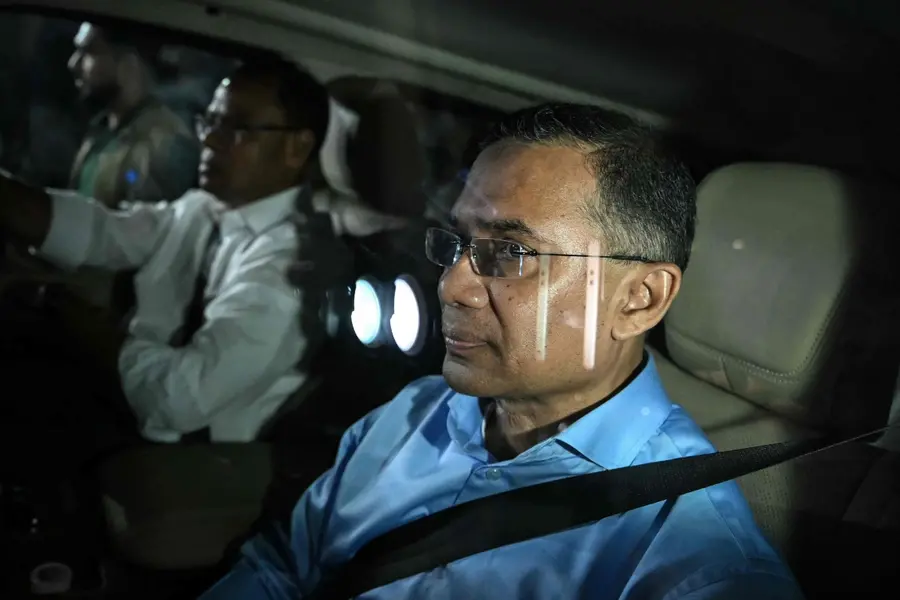
Bangladesh’s political transition ran into fresh turbulence on Tuesday as a dispute over oaths taken by newly elected lawmakers triggered warnings of street protests, just hours before the prime ministerial swearing-in scheduled for 4 pm.
The day began with the swearing-in of newly elected members of parliament at the National Parliament building in Dhaka. The oath was administered by Chief Election Commissioner A.M.M. Nasir Uddin following the February 12 parliamentary election, in which the Bangladesh Nationalist Party (BNP) won a landslide two-thirds majority.
BNP MPs took the standard parliamentary oath. However, they declined to take a second oath linked to the proposed Constitutional Reform Council, a body tied to a referendum held alongside the general election. That refusal immediately stalled the oath-taking sequence, as lawmakers from Jamaat-e-Islami and the National Citizens Party (NCP) were due to be sworn in next.
The second oath was meant to formalise MPs’ role in a reform mechanism emerging from the July Charter referendum, which received around 62 per cent approval. Under this plan, parliament would effectively function as a constitutional reform body for 180 days. The BNP said none of the council’s provisions had yet been incorporated into the Constitution and maintained that its MPs were elected only as legislators.
Reform pledge divides ruling alliance
The disagreement exposed sharp divisions within the governing alliance. Jamaat-e-Islami and the NCP objected to the BNP’s refusal, arguing that the referendum mandate required immediate commitment to constitutional restructuring. Both parties initially warned they would boycott the oath-taking if BNP MPs did not take the reform pledge.
The BNP, led by Tarique Rahman, reiterated its position through senior leaders, saying it had reservations about the July Charter and was not consulted during its drafting. The party had long argued for elections first, while its allies had pressed for reforms before polls.
After internal deliberations, Jamaat and NCP lawmakers eventually proceeded to take both oaths later in the day. No BNP MP, however, took the second oath linked to the Constitutional Reform Council, leaving the reform framework only partially endorsed inside parliament.
Protests feared as PM swearing-in nears
The confrontation unfolded against the backdrop of Tarique Rahman’s scheduled swearing-in as prime minister at 4 pm, a ceremony expected to draw around 1,200 local and foreign guests. Attendees include Bhutan’s Prime Minister Tshering Tobgay, India’s Lok Sabha Speaker Om Birla, and Pakistan’s Planning Minister Ahsan Iqbal, among others.
Outside parliament, tensions spilled onto the streets. Jamaat leaders warned of renewed agitation, citing alleged election irregularities, post-poll violence, and a reported gang-rape in Noakhali involving a woman who supported the NCP. The warnings added to concerns over public order as the new government prepared to assume office.
Published: 17 Feb 2026, 02:58 pm IST
Related Topics
Disclaimer: Kindly avoid objectionable, derogatory, unlawful and lewd comments, while responding to reports. Such comments are punishable under cyber laws. Please keep away from personal attacks. The opinions expressed here are the personal opinions of readers and not that of Mathrubhumi.
