
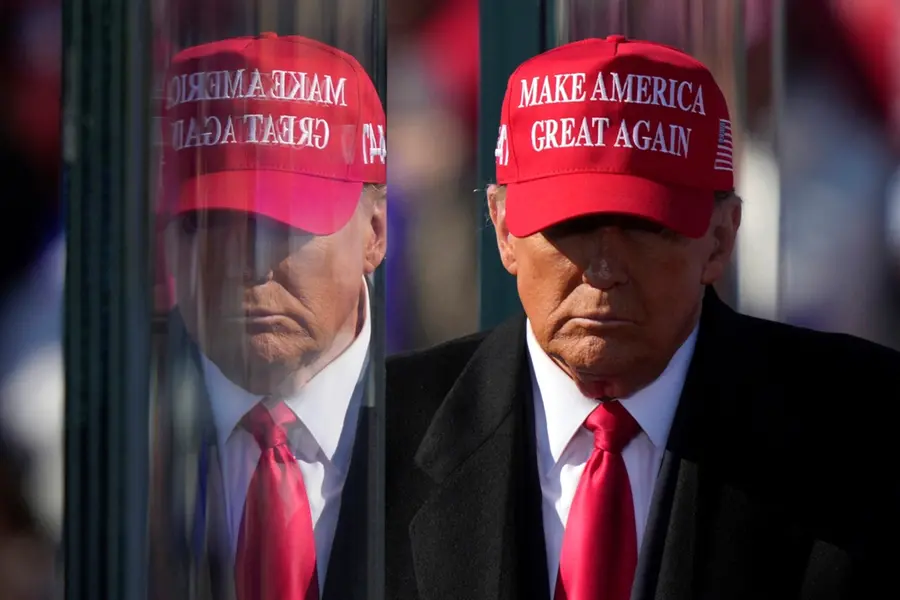
Washington: Donald Trump’s election victory has raised alarms about a new surge of misinformation in the coming years, particularly in the areas of politics, vaccines, and climate change. With Trump’s expected cabinet picks likely to challenge scientific consensus, misinformation experts worry about the growing impact of misleading claims.
False claims during the 2024 campaign
Also Read

In the final weeks of his 2024 campaign, Trump spread false claims about weather manipulation following hurricanes in North Carolina, a key swing state. He also made baseless allegations about voter fraud, the 2020 election, the Covid-19 pandemic, and vaccine risks. These unfounded claims spread rapidly online, with many social media influencers acting as key sources of news, as traditional media struggles to keep up with fragmented information channels.
"The problem of misinformation and disinformation is the worst it's ever been," said Bill Adair, a Duke University professor who founded the fact-checking site PolitiFact and authored the 2024 book "Beyond the Big Lie."
The tactics designed to contain and correct misinformation, such as fact-checking and social media moderation, "are clearly not working," Adair added. He predicted few changes ahead from platforms that have largely exempted elected officials from fact-checking "because they don't want to make the politicians mad."
Despite lack of evidence, Trump’s narrative about a stolen 2020 election resonated with a significant portion of the public, with polls showing that roughly one-third of Americans still believe the election was fraudulent.
Misinformation’s growing influence online
Research from NewsGuard revealed that during the 2024 campaign, over 900 websites and nearly 800 social media accounts repeatedly shared false information about the 2020 election. Additionally, over 1,200 partisan websites masquerading as neutral news sources helped spread these misleading narratives.
"The right has invested, since 2016, in building participatory, activist, factional social media networks that are directly tied into its 'small batch' propaganda media ecosystem," said Renee DiResta, a misinformation researcher, in a Threads post.
"Things move from one sphere to the next: rumours are picked up by the propaganda machine if useful. Memes shape the messaging. "The influencers boost each other."
Ethan Porter, a researcher and professor at George Washington University, said that while misinformation efforts may not have been decisive in his victory, "Trump was almost certainly helped by Twitter/X's apparent refusal to contain or mitigate pro-Trump misinformation."
Concerns about future impact on science and health
Trump’s return to office has raised concerns about the potential for misinformation to further undermine trust in science. His ties with Robert F. Kennedy Jr., a major promoter of Covid-19 conspiracy theories, are fueling fears that false claims about vaccines and public health could become even more widespread.
"How are people not alarmed by Trump wanting RFK Jr, a person who has no formal education in health care, in charge of health... this man has promoted anti-vaccine misinformation and public-health conspiracy theories for years," Alma Hernandez, a Democratic member of the Arizona House of Representatives, said on X.
During his first term, Trump’s administration made hundreds of changes to government websites, removing scientific data on issues like climate change, water pollution, and endangered species. The Union of Concerned Scientists has warned that similar actions could continue in a second term, further eroding public trust in environmental science.
"President-elect Trump's path to the White House has been an unprecedented campaign of disinformation, threats, divisive language, and dangerous policy promises. It's understandable to look ahead to the next four years with serious worry," acting president Kim Waddell said in a statement.
Challenges for the media and social media
Trump’s ongoing attacks on the media have raised concerns about how reporters will be able to cover his administration without facing harassment or threats. Journalist and author Kyle Paoletta wrote that he fears "Trump's assault on the press will become a fusillade of discreet attempts to quash whatever reporting he views as antagonistic" and questions whether reporters will maintain access or face harassment.
The role of social media in spreading misinformation has also been under scrutiny. Since Elon Musk took over Twitter, now called X, the platform has been criticised for amplifying false information rather than curbing it. Musk, who could join Trump’s cabinet, has been accused of undermining efforts to fight misinformation online.
Matt Gertz of the left-leaning watchdog Media Matters said Trump won over voters thanks in part to "a right-wing media complex that bombards them with falsehoods and grievances while dissuading them from consulting any alternative sources of information, be they legacy news outlets or government officials or medical experts."
Daniel Kreiss, a professor at the University of North Carolina, warned that the breakdown of fact-checking and traditional journalism could have “devastating” consequences, allowing misinformation to spread unchecked. "What we're going to see are concerted campaigns to undermine democratic institutions and democratic norms," Kreiss said.
Agency
Published: 11 Nov 2024, 08:41 am IST
Related Topics
Disclaimer: Kindly avoid objectionable, derogatory, unlawful and lewd comments, while responding to reports. Such comments are punishable under cyber laws. Please keep away from personal attacks. The opinions expressed here are the personal opinions of readers and not that of Mathrubhumi.