
A US Air Force F-35 crashed after a 50-minute struggle with landing gear failure due to ice in the hydraulic system. The pilot ejected safely.
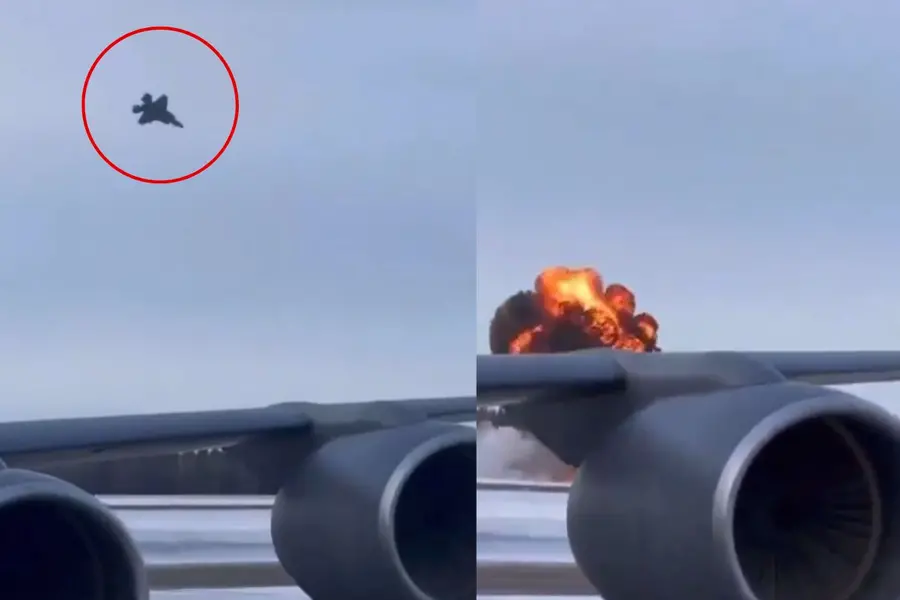
Washington: A US Air Force F-35A fighter jet that crashed in Alaska earlier this year did so after the pilot spent nearly 50 minutes in the air troubleshooting a landing gear failure with Lockheed Martin engineers, a newly released investigation report has revealed.
The crash occurred on January 28 at Eielson Air Force Base in Fairbanks, Alaska. The pilot ejected safely and suffered only minor injuries, but the $200 million stealth jet was completely destroyed when it plummeted vertically and exploded on impact, an incident captured in a now widely viewed video.
According to the Air Force Accident Investigation Board, the cause of the crash was traced back to ice in the jet’s hydraulic systems, specifically in the nose and main landing gear. The report found that up to one-third of the hydraulic fluid had been replaced by water, which led to the failure of the gear to extend or retract properly.
Shortly after takeoff, the pilot noticed the landing gear wouldn’t fully retract. Attempts to lower and reposition it only made things worse, as the nose gear locked at an angle. In an effort to fix the issue mid-air, the pilot initiated a conference call with five Lockheed Martin engineers, including landing gear and software specialists, while circling near the base.
Despite working through several procedures and attempting two "touch-and-go" landings to realign the gear, the situation deteriorated. The failed attempts caused the jet to incorrectly register as being on the ground, triggering automated ground-mode systems, even though it was still airborne. This made the aircraft uncontrollable, forcing the pilot to eject.
The report also noted that a similar issue occurred with another F-35 at the same base just nine days later. That aircraft landed safely.
Crucially, Lockheed Martin had issued guidance in April 2024 warning of sensor issues in cold weather conditions that could make control difficult.
Had the participants recalled that guidance, the report suggests they may have recommended a planned emergency landing or early ejection, avoiding the failed second landing attempt that ultimately triggered the crash.
In addition to decision-making during the flight, the investigation blamed oversight failures in the handling of hydraulic fluids and non-compliance with maintenance procedures for allowing water contamination to occur.
The temperature at the time of the crash was -1°F, highlighting the risks cold weather poses for high-performance jets like the F-35.
Published: 28 Aug 2025, 03:44 pm IST
Related Topics
Disclaimer: Kindly avoid objectionable, derogatory, unlawful and lewd comments, while responding to reports. Such comments are punishable under cyber laws. Please keep away from personal attacks. The opinions expressed here are the personal opinions of readers and not that of Mathrubhumi.
