
Donald Trump’s health diagnosis has sparked concerns, not just about his health, but also about whether the White House is downplaying
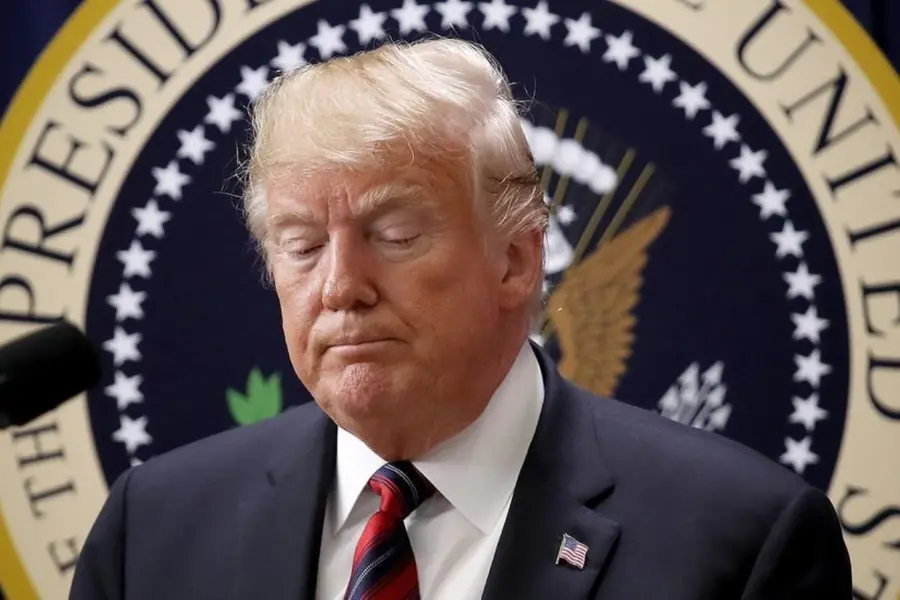
Washington DC: Donald Trump, 79, has been diagnosed with Chronic Venous Insufficiency (CVI), a vascular condition in which blood flow from the legs to the heart becomes inefficient due to damaged valves in the veins. Although the White House insists the condition is “benign and common”, visible bruises on the former president’s hands and reports of swelling have fuelled concerns about transparency and whether the risks are being minimised for political reasons.
What is Chronic Venous Insufficiency (CVI), and why does it matter?
Chronic Venous Insufficiency (CVI) is a medical condition in which veins in the legs fail to efficiently return blood to the heart. It’s typically caused by damaged vein valves, often due to aging, obesity, or prolonged standing. Blood pools in the lower limbs, causing swelling, skin changes, varicose veins, and, in severe cases, venous ulcers.
While common in older adults, it is chronic and progressive. There's no cure, and symptoms worsen over time if left unmanaged. Doctors classify CVI into six stages — ranging from minor
Why are people alarmed about Trump’s diagnosis?
The White House called Trump’s CVI “benign and common”, but many medical experts say that’s oversimplifying the condition. At 79, Trump is in the high-risk age bracket. CVI in seniors can reduce mobility, lead to blood clots, and cause skin infections or ulcerations.
Even more concerning are the visible signs: Trump has been seen with dark bruises on his hands and wrists. While Press Secretary Karoline Leavitt attributed these to “handshakes” and “aspirin use,” doctors say bruising is also consistent with vascular fragility associated with CVI and blood thinner use.
When was Trump diagnosed — and why was it not in his earlier health reports?
The condition was disclosed only recently, although bruising had been noticeable since March. His April 2025 medical summary — which declared Trump in “excellent health” — made no mention of CVI. That raises questions:
- When was the diagnosis made?
- Why wasn’t it disclosed earlier?
- What treatment is he undergoing?
The lack of clarity has led to speculation that the Trump team is withholding full details to avoid political fallout ahead of the 2025 election.
Is CVI really ‘Benign’ — or a long-term threat?
“Benign” is not the word most vascular specialists would use. CVI can lead to:
- Painful swelling (edema)
- Discolouration and skin breakdown
- Venous ulcers (open wounds that are slow to heal)
- Risk of deep vein thrombosis (DVT)
Although CVI doesn’t always require surgery, it often needs lifelong management, including compression stockings, medications, and lifestyle changes. For someone like Trump, who is regularly travelling and under stress, the condition could pose ongoing risks.
Is Trump’s team downplaying a progressive condition for political reasons?
The language used — “benign”, “not serious”, “common” — mirrors earlier health disclosures in Trump’s presidency that downplayed serious risk factors. Some political analysts and journalists suggest this approach is intentional messaging, crafted to keep Trump’s image as a strong, unstoppable candidate intact.
This isn't the first time Trump’s health transparency has come under fire. In 2020, details about his COVID-19 treatment were heavily controlled. In 2015, his physician famously released a letter declaring he would be “the healthiest individual ever elected to the presidency” — later admitted to be written by Trump himself.
What are experts saying?
Dr. Bradley Menzies, a vascular surgeon not involved with Trump’s care, told StatNews:
“Calling CVI ‘benign’ may be technically accurate for mild cases, but for elderly patients, it often requires active management. The fact that it’s chronic makes it noteworthy — especially in someone with a packed public schedule.”
Dr. Linda Gill, MD, noted in The Guardian:
“This isn’t something that just disappears. It demands consistent care, and it does reflect overall cardiovascular health. It’s worth watching.”
What’s Next, and Will We Get More Answers?
With the 2025 US presidential election months away, health disclosures are becoming political ammunition. Trump’s opponents may press harder for full transparency. The big questions now:
- Will Trump’s medical team release a detailed report on his condition?
- Is CVI affecting his stamina or mobility behind the scenes?
- Could it impact his campaign schedule or fitness for office?
At present, there are more questions than answers — and a growing demand for clarity.
Published: 18 Jul 2025, 08:11 am IST
Related Topics
Disclaimer: Kindly avoid objectionable, derogatory, unlawful and lewd comments, while responding to reports. Such comments are punishable under cyber laws. Please keep away from personal attacks. The opinions expressed here are the personal opinions of readers and not that of Mathrubhumi.
