
Cruise ships act as floating petri dishes for diseases like norovirus, COVID, and Legionnaires' due to crowded shared spaces, buffets, poor ventilation, and water systems.
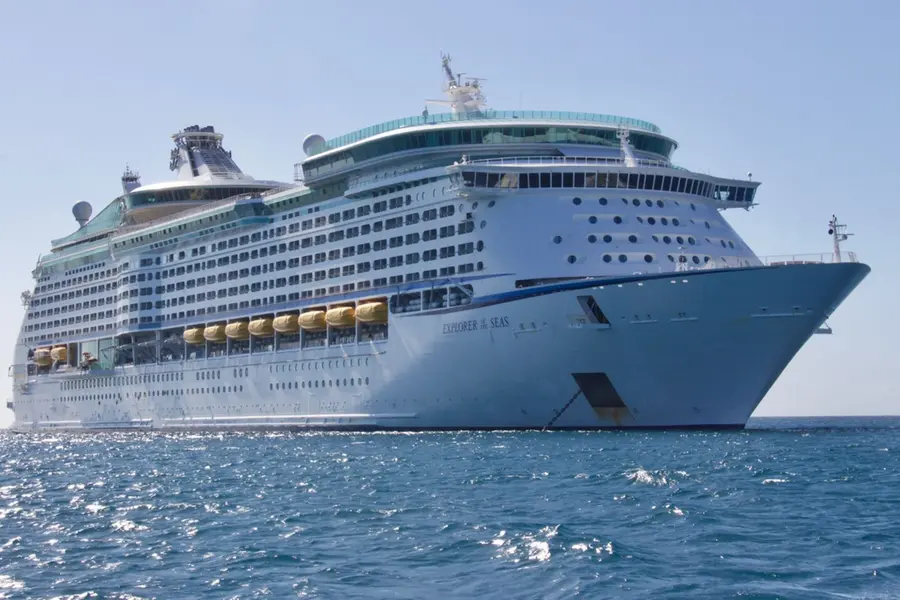
Cruise ships promise paradise at sea, but public health experts warn they function like petri dishes for pathogens. Packed with thousands sharing air, food, water, and spaces, these "temporary cities afloat" amplify infection risks—from norovirus to COVID and Legionnaires' disease.
Explaining why outbreaks recurred despite improved hygiene, Vikram Niranjan, epidemiologist at University of Limerick, noted that ships concentrate people in interconnected environments where illness spreads rapidly through shared surfaces, buffets, ventilation, and water systems.
Also Read: WHO classifies all passengers on virus-hit cruise ship as 'high-risk' contacts
The 2020 Diamond Princess quarantine became infamous: 619 COVID cases among 3,700 aboard. Modeling showed isolation curbed worse spread, but delayed response fueled transmission via cabins, dining halls, and crew interactions.
Norovirus reigns supreme, with 127 documented cruise outbreaks tied to contaminated food, surfaces, and person-to-person contact. Ships like Celebrity Mercury, Explorer of the Seas, and Carnival Triumph repeatedly hit headlines --not due to unique flaws, but routine factors: buffets where asymptomatic carriers taint utensils, crowded theaters, and crew living quarters bridging passenger-staff gaps.
Legionnaires' disease strikes differently, via aerosolized bacteria from spas, showers, and water systems. U.S. CDC reports link multiple outbreaks to whirlpool contamination, exploiting ships' complex plumbing hard to fully sterilize at sea.
Recent tragedies underscore rarity-turned-reality: Hantavirus claims on MV Hondius highlight rodent risks in close quarters.
Design flaws fuel the fire
Cruise architecture prioritizes convenience—multi-deck atriums, indoor venues, elevators—but ignores epidemiology. Poor ventilation in enclosed spaces like restaurants and spas traps respiratory viruses (flu, COVID). Older passengers, prone to severe outcomes, overwhelm onboard clinics limited to first aid, not mass epidemics.
Also Read: What is hantavirus? How it spreads, symptoms and risks
"Buffet dining and frequent touchpoints accelerate fecal-oral pathogens like norovirus," Niranjan says. Crew, often in cramped shared housing, form transmission vectors.
Cruise lines have bolstered protocols post-COVID: enhanced cleaning, air filtration, and isolation policies. Yet structural risks persist.
Expert tips to dodge disease
Pre-Boarding: Verify cruise line's outbreak protocols; update vaccines (flu, COVID); consult doctors if high-risk; secure medical insurance.
Onboard: Prioritize soap-and-water handwashing over sanitizer for norovirus; skip buffets if symptomatic; isolate early and report to medics.
Vulnerable Groups: Elderly, pregnant, or immunocompromised should weigh risks carefully.
Broader lessons from the high seas
According to Niranjan, ships are public health laboratories: "Outbreaks reveal how design drives disease—crowds + shared systems = rapid spread." While most voyages sail smoothly, recurring incidents remind travelers: vigilance trumps vacation bliss.
As global travel rebounds, cruise operators face pressure to retrofit ventilation, water tech, and layouts. Until then, the floating holiday remains a high-stakes germ gamble.
(This article originally appeared in The Conversation.)
Published: 11 May 2026, 01:30 pm IST
Disclaimer: Kindly avoid objectionable, derogatory, unlawful and lewd comments, while responding to reports. Such comments are punishable under cyber laws. Please keep away from personal attacks. The opinions expressed here are the personal opinions of readers and not that of Mathrubhumi.
