
A new COVID-19 variant known as BA.3.2, or “Cicada”, is spreading rapidly in the United States, with experts highlighting concerns around transmission and vaccine effectiveness.
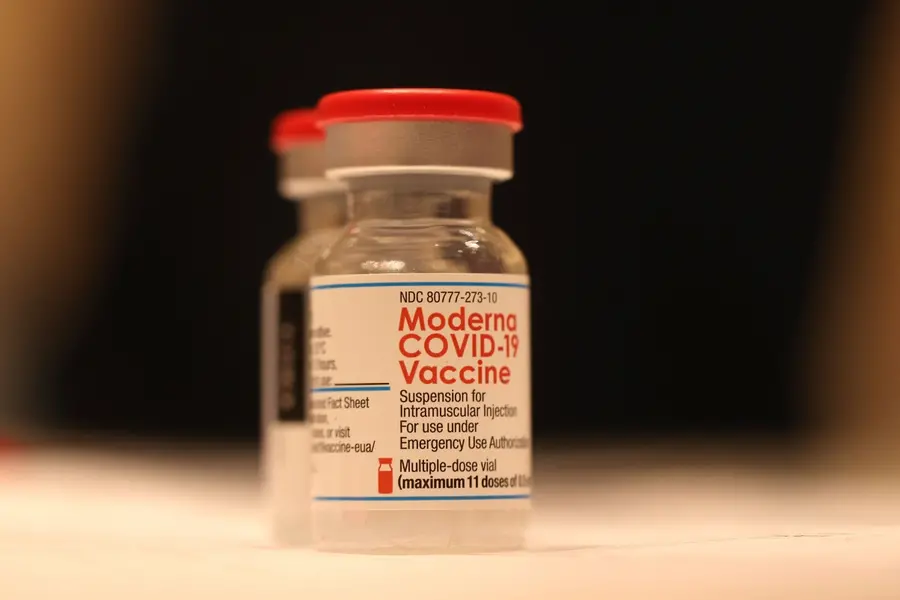
A new variant of COVID-19, BA.3.2—nicknamed “Cicada”—is currently spreading across the United States after circulating quietly since late 2024. Health experts say that while there is no evidence so far that it causes more severe illness, its genetic differences could allow it to spread more easily and partially evade existing immunity.
Where the BA.3.2 variant came from
Also Read

The BA.3.2 variant is a descendant of the COVID-19 virus, specifically from the Omicron variant lineage that first emerged in 2021. Scientists identified BA.3.2 in Africa in November 2024 before it began spreading internationally in 2025.
By early 2026, the variant had been detected in at least 23 countries. In the United States, the first case was identified in June 2025 in a traveller, and it has since been found across multiple states, including through wastewater monitoring systems.
What makes this variant different
Experts say BA.3.2 carries a large number of mutations—around 70 to 75—in its spike protein, the part of the virus that allows it to enter human cells. This spike protein is also what current vaccines target to help the immune system recognise the virus.
Because of these genetic changes, the immune system may take longer to identify and respond to the variant. This process, often described as immune evasion, does not mean vaccines are ineffective but suggests they may not respond as quickly or as strongly as they do to earlier strains.
Also read | Shigella infection: Why young children are most at risk
Is BA.3.2 more dangerous?
Current data indicates that BA.3.2 does not cause more severe illness compared to recent variants. However, its ability to spread more easily could lead to a rise in infections, particularly among vulnerable groups such as older adults and those with chronic health conditions.
Health experts also note that while the risk of long COVID has declined over time, it still affects a small percentage of infected individuals, making prevention important.
What this means for vaccines
Existing COVID-19 vaccines were designed based on earlier circulating strains, particularly those from the JN.1 lineage. Since BA.3.2 is genetically different, vaccines may be less closely matched to it.
However, experts continue to stress that vaccination remains important, as it significantly reduces the risk of severe illness, hospitalisation, and death, even if protection against infection is not perfect.
How to protect yourself
Public health guidance remains largely unchanged. Simple precautions can still reduce the risk of infection and transmission:
Maintain regular hand hygiene, especially before eating or after contact with others
Stay home if you feel unwell to avoid spreading infection
Limit time in crowded or poorly ventilated spaces
Seek medical advice if you are at higher risk due to existing health conditions
Why experts are watching this variant closely
The spread of BA.3.2 highlights how viruses continue to evolve over time. Even without increased severity, a variant that spreads more efficiently can still place pressure on healthcare systems by increasing overall case numbers.
Health authorities are continuing to monitor its spread and assess whether updates to vaccines or public health strategies may be needed.
Published: 30 Mar 2026, 02:08 pm IST
Related Topics
Disclaimer: Kindly avoid objectionable, derogatory, unlawful and lewd comments, while responding to reports. Such comments are punishable under cyber laws. Please keep away from personal attacks. The opinions expressed here are the personal opinions of readers and not that of Mathrubhumi.