
Direct flights between Beijing and Pyongyang have resumed after years of pandemic restrictions, signalling a cautious reopening driven by political, economic, and diplomatic considerations.
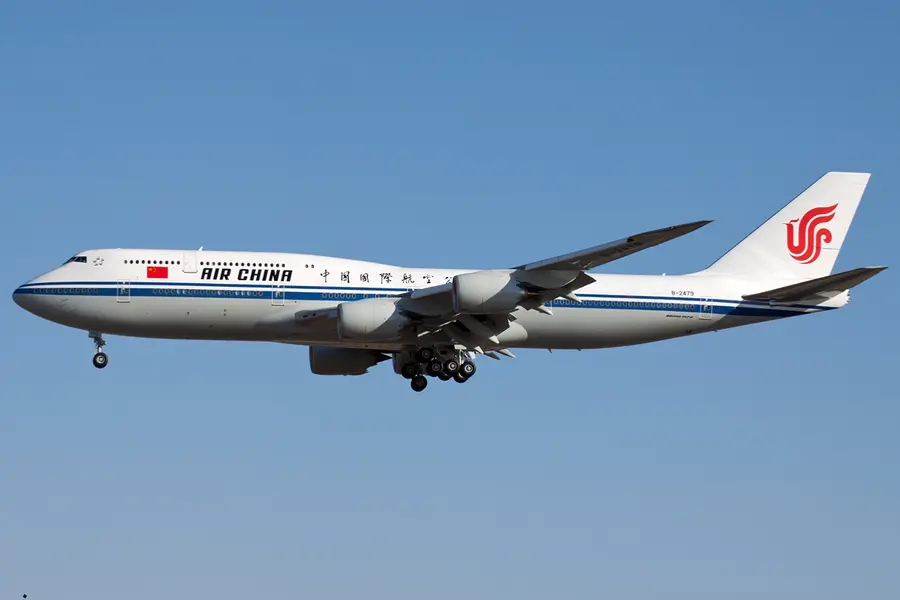
Beijing: Direct flights between Beijing and Pyongyang have resumed after a prolonged pandemic pause, marking a cautious step towards reopening limited international connectivity to North Korea.
Air China has restarted direct flights between Beijing and Pyongyang for the first time since the Covid-19 pandemic. However, North Korea is currently allowing entry only to travellers with official, special, or restricted purposes, rather than general tourism.
Also Read

The move indicates a controlled reopening of cross-border connectivity, rather than a full return to pre-pandemic travel norms.
Tourism remains tightly restricted
Before border closures, North Korea received an estimated 300,000 foreign visitors in 2019, with the vast majority being Chinese tourists. Western tourism was also present but limited, with around 5,000 visitors annually prior to restrictions imposed by the United States following the 2017 death of American student Otto Warmbier.
While some limited visits resumed in recent years, including tightly controlled tours and specific events such as marathons, broader tourism has not yet been fully restored. Foreign access continues to be heavily regulated by North Korean authorities.
Gradual reopening of transport links
Transport links between China and North Korea have been gradually returning. Freight rail resumed in late 2022, followed by passenger rail services between Beijing and Pyongyang restarting after a multi-year pause.
Air connectivity has also seen partial restoration, with earlier flights already operated by North Korea’s national carrier. The latest resumption by Air China further strengthens limited bilateral movement.
China’s central role in North Korea’s economy
China remains North Korea’s most important economic and diplomatic partner. Bilateral trade, which includes food, energy, and manufactured goods, has reportedly recovered post-pandemic to billions of dollars annually.
This economic relationship plays a key role in sustaining North Korea’s economy, particularly during periods of international sanctions and isolation.
Russia’s growing involvement alongside China
In recent years, North Korea has also strengthened ties with Russia. Cooperation has expanded through reported military support, resource exchange, and political alignment. This has allowed Pyongyang to diversify its external relationships and reduce sole dependence on China to some extent.
Geopolitical factors influencing reopening
Analysts suggest that the resumption of flights and transport links is closely tied to shifting geopolitical dynamics. Increasing global tensions, evolving US foreign policy considerations, and regional conflicts have contributed to closer coordination among countries aligned on strategic interests.
China’s approach appears to emphasise maintaining stability and influence in the region, while accommodating North Korea’s gradual reintegration into limited international connectivity.
Controlled connectivity rather than full openness
Despite the reopening of flights, North Korea continues to maintain strict controls over entry, movement, and tourism. The current phase reflects selective engagement rather than a broad policy shift towards open borders.
Observers note that the reopening of transport routes signals cautious diplomatic and economic engagement rather than a significant relaxation of the country’s long-standing isolation policies.
Published: 30 Mar 2026, 10:43 am IST
Related Topics
Disclaimer: Kindly avoid objectionable, derogatory, unlawful and lewd comments, while responding to reports. Such comments are punishable under cyber laws. Please keep away from personal attacks. The opinions expressed here are the personal opinions of readers and not that of Mathrubhumi.