
NITI Aayog highlights risks of ultra-processed diets on gut health and urges a return to traditional fermented foods. India poised to lead global probiotics innovation.
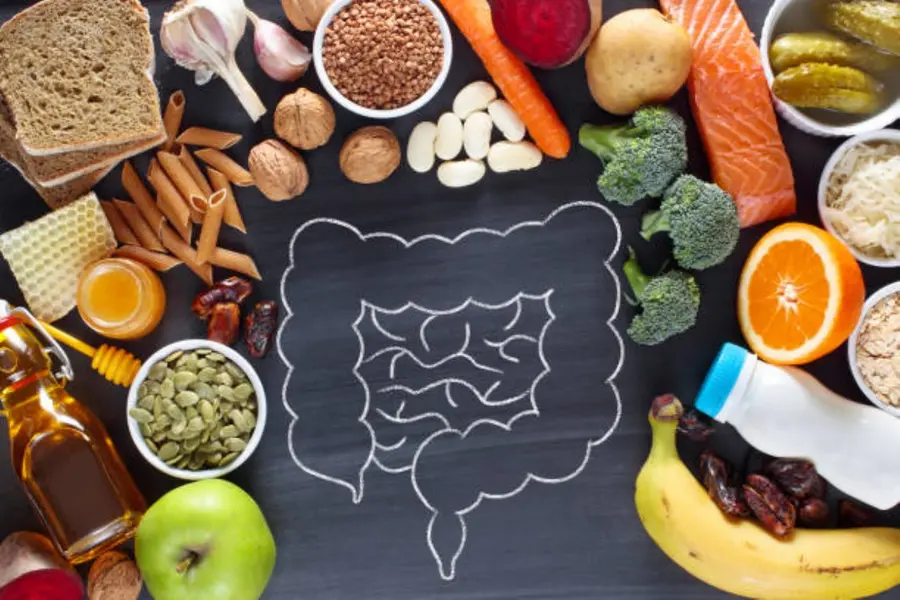
New Delhi: India’s rich tradition of fermented foods could hold the key to reversing the nation’s shift towards ultra-processed diets, which are increasingly harming gut health and long-term public wellbeing, warned Rajiv Gauba, Member of NITI Aayog, at a high-level probiotic symposium.
Speaking at the event organised by the Gut Microbiota and Probiotic Science Foundation, Gauba highlighted the role of social media-driven food trends, fast-paced lifestyles, and the surge of quick-commerce in moving Indians away from nutrient-rich traditional diets, according to a statement released by NITI Aayog on Saturday.
“These changes in diet and lifestyle may have severe long-term effects on gut health,” Gauba said, citing that nearly 56.4 per cent of India’s disease burden is linked to unhealthy or imbalanced diets.
Also Read| Is the new Covid variant dangerous? What to know about BA.3.2 ‘Cicada’
He added that India’s centuries-old heritage of fermented foods and traditional dietary practices uniquely positions the country to lead the global probiotics movement. By integrating ancestral knowledge with modern genomic and microbiome research, India can develop clinically validated probiotics that improve overall health and immunity.
“Micro-organisms could create macro consequences,” Gauba remarked, urging clinicians and researchers to tackle misleading claims in the probiotics and dietary supplements market.
Gauba emphasised the public health potential of probiotics in reducing infectious and chronic diseases, enhancing nutrition, and strengthening population immunity.
Citing government health initiatives such as Ayushman Bharat, PM-JAY, PM Bharatiya Janaushadhi Pariyojana, and Ayushman Arogya Mandirs, he noted that out-of-pocket health expenditure has fallen from 62.6 per cent to 39.4 per cent between FY15 and FY22, generating household savings exceeding ₹1.25 lakh crore.
India’s demographic advantage can only be realised through a healthy workforce and proactive preparation for active, healthy ageing, he said, highlighting the rising elderly population.
Also Read| India’s typhoid crisis: How drug resistance is driving costs higher
He also called for wider prescription of affordable generic medicines, and greater use of digital health technologies, telemedicine, data analytics, and AI to expand specialist care to underserved communities.
Gauba observed that microbiome science has advanced from descriptive research to mechanistic and translational studies, opening new frontiers such as next-generation microbiome therapeutics, synthetic biology, and CRISPR-enabled engineering of probiotics with targeted anti-inflammatory and metabolic benefits for precision medicine.
With its strong heritage of fermented foods, growing expertise in microbiome science, and supportive public health policies, India is well on its way to becoming a global leader in probiotics research, gut health improvement, and nutritional innovation.
IANS
Published: 28 Mar 2026, 03:03 pm IST
Related Topics
Disclaimer: Kindly avoid objectionable, derogatory, unlawful and lewd comments, while responding to reports. Such comments are punishable under cyber laws. Please keep away from personal attacks. The opinions expressed here are the personal opinions of readers and not that of Mathrubhumi.
