
A report by the UK-based charity Christian Aid found that the 10 most financially costly climate-related disasters this year each caused losses of more than $1 billion, with combined damage exceeding $122 billion.
New Delhi: Heatwaves, wildfires, droughts and storms caused more than $120 billion (over ₹1 trillion) in damage worldwide in 2025, highlighting the growing economic and human toll of climate change, according to a new report by the UK-based NGO Christian Aid.
The analysis found that the 10 most financially costly climate-related disasters this year each caused losses of more than $1 billion, with combined damage exceeding $122 billion. The figures are largely based on insured losses, meaning the true cost is likely to be significantly higher, while the human impact in many cases remains poorly documented.
Also Read

Christian Aid said the findings underscore the cost of continued inaction on climate change, warning that fossil fuel expansion and political delays are intensifying extreme weather events. “These disasters are not natural — they are the predictable result of continued fossil fuel expansion and political delay,” said Professor Joanna Haigh, emeritus professor at Imperial College London.
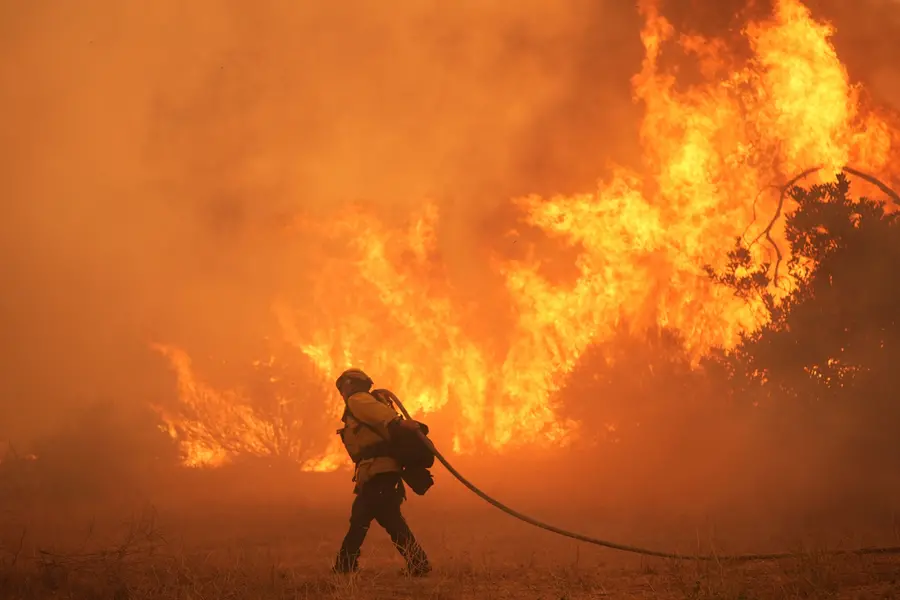
The United States suffered the single most expensive event of the year, with wildfires in California causing an estimated $60 billion in damage and claiming more than 400 lives. The second costliest disaster was a series of cyclones and floods across south-east Asia in November, which caused around $25 billion in losses and killed more than 1,750 people in Thailand, Indonesia, Sri Lanka, Vietnam and Malaysia.
Flooding in China ranked third, displacing thousands of people, causing $11.7 billion in damage and killing at least 30. Asia accounted for four of the six most expensive disasters globally. Floods in India and Pakistan together killed more than 1,860 people, caused losses of up to $6 billion and affected over seven million people in Pakistan alone. Typhoons in the Philippines caused more than $5 billion in damage and displaced at least 1.4 million people.
Also Read | From Kerala to J&K: How climate change is redefining the monsoon in country
The report noted that while the costliest disasters tend to be recorded in wealthier countries because of higher property values and insurance coverage, some of the most devastating events struck poorer nations that have contributed least to global emissions and have limited capacity to respond.
Severe flooding in Nigeria in May and in the Democratic Republic of Congo in April affected thousands of people, with Nigeria alone reporting up to 700 deaths. Prolonged drought across Iran and parts of West Asia threatened water supplies for millions, including up to 10 million people in Tehran, raising the prospect of mass displacement.
Christian Aid also highlighted 10 other extreme events that did not feature among the costliest due to low insurance coverage but were nonetheless catastrophic. These included record-breaking heat and wildfires in the Scottish Highlands, where around 47,000 hectares were burned, as well as an unusually extreme year in Japan marked by both heavy snowstorms and unprecedented heatwaves.
Unusual climate extremes were also recorded in Antarctica and across the world’s oceans, which experienced record sea surface temperatures and widespread coral bleaching, particularly off the coast of Western Australia, posing serious risks to marine biodiversity.
Patrick Watt, chief executive of Christian Aid, said the findings should serve as a stark warning. “This year has once again shown the reality of climate breakdown. Violent storms, devastating floods and prolonged droughts are turning lives and livelihoods upside down. The poorest communities are first and worst affected,” he said.
He added that the disasters underline the urgent need to cut carbon emissions, accelerate the shift to renewable energy and increase funding to help vulnerable communities adapt to a rapidly changing climate.
PTI
Published: 28 Dec 2025, 11:07 am IST
Disclaimer: Kindly avoid objectionable, derogatory, unlawful and lewd comments, while responding to reports. Such comments are punishable under cyber laws. Please keep away from personal attacks. The opinions expressed here are the personal opinions of readers and not that of Mathrubhumi.