
A new study reveals heavy metal concentrations in high-traffic areas are ten times higher than 40 years ago, coinciding with a six-fold increase in annual tourist numbers
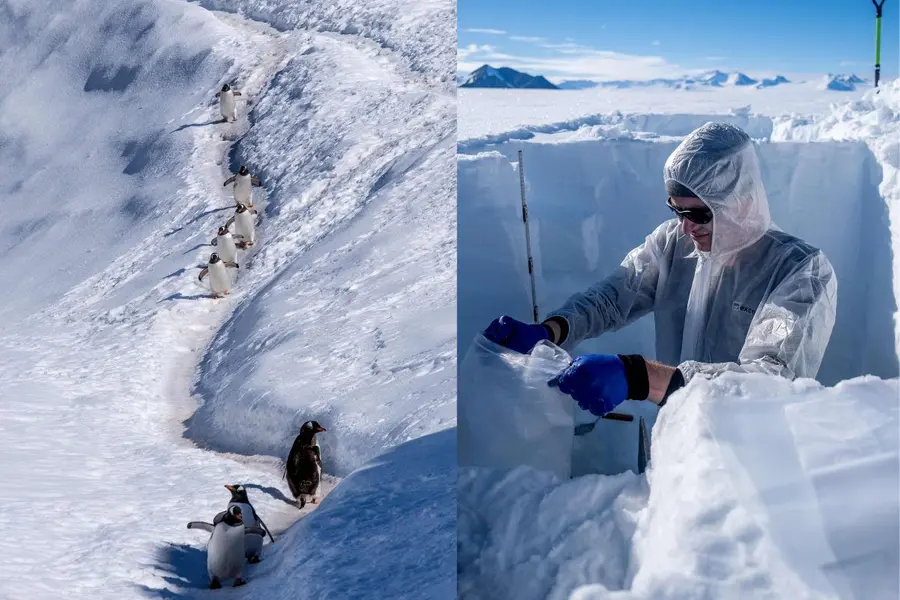
Scientists have issued a warning about growing pollution in Antarctica, caused by rising numbers of tourists and expanding research activities. This comes as another challenge for the continent, which is already suffering due to climate change driven by human actions.
How much has pollution increased?
In areas of Antarctica where human activity has taken place, levels of fine particles containing heavy metals such as nickel, copper, zinc, and lead have risen to ten times what they were four decades ago.
What’s driving the pollution?
The number of visitors to Antarctica has jumped dramatically over the last 20 years, climbing from 20,000 to 120,000 tourists annually, according to the International Association of Antarctica Tour Operators.
These tourists arrive aboard ships that burn fossil fuels, releasing fine particles that contribute to pollution. Transportation methods including aircraft, vehicles, and the supporting infrastructure used for expeditions also add to the fossil fuel emissions, raising concerns about contaminants.
How does pollution affect antarctica’s environment?
Fine particles carried on snow in tourist-frequented areas cause the snow to melt faster. A scientist from the University of Groningen in the Netherlands explained that the presence of polluting particles from just one tourist can speed up the melting of about 100 tons of snow.
Scientific research efforts, especially those involving longer stays, have an even greater impact on pollution. According to experts, a prolonged research project can result in pollution levels 10 times higher than those from a single tourist visit.
An international team of scientists, including researchers from Chile and Germany, conducted a four-year study. They travelled approximately 2,000 kilometres through Antarctica to carefully measure pollution levels and trace the growth of heavy metal contamination.
Are efforts being made to protect antarctica?
The study notes that there have been important improvements in protecting the continent from pollution. For example, a ban has been placed on highly polluting heavy fuel oils, and the tourism industry has begun to use electric-hybrid ships to reduce emissions.
Despite these advances, the researchers emphasised that much more needs to be done. They stressed the importance of accelerating the shift to renewable energy sources and significantly cutting back on fossil fuel consumption to lessen the environmental burden caused by human activity in Antarctica.
How does this pollution tie into climate change?
Another study published in the same scientific journal warned about the potentially irreversible effects of climate change on Antarctica. The melting of ice caused by warming temperatures could raise global sea levels by metres, leading to catastrophic consequences that would affect coming generations worldwide.
Published: 21 Aug 2025, 01:12 pm IST
Related Topics
Disclaimer: Kindly avoid objectionable, derogatory, unlawful and lewd comments, while responding to reports. Such comments are punishable under cyber laws. Please keep away from personal attacks. The opinions expressed here are the personal opinions of readers and not that of Mathrubhumi.
