
The state-owned postal operator has begun talks with 13 communities to convert around 136,000 addresses from home delivery to centralised community mailboxes
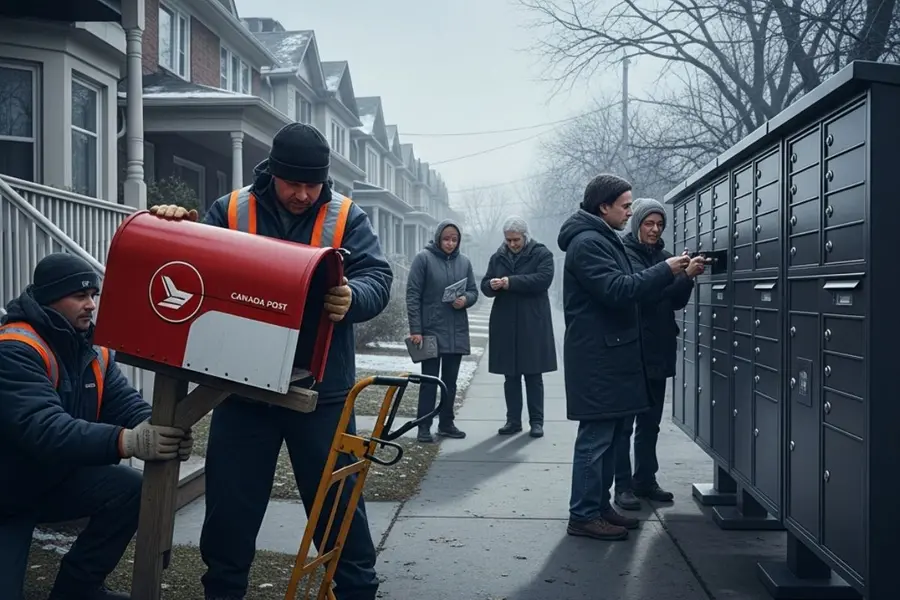
Van Couver: Canada Post is preparing to phase out door-to-door mail delivery for millions of addresses as it moves towards a greater reliance on community mailboxes in an effort to cut costs and stem financial losses.
The state-owned postal operator has begun talks with 13 communities to convert around 136,000 addresses from home delivery to centralised community mailboxes. Over the next five years, the broader plan could affect up to four million addresses across the country.
A spokesperson for Canada Post, Jon Hamilton, said the transition would be gradual and carefully managed with local authorities. “It’s a process that can take six to nine months from beginning to end,” he said, adding that “nothing will happen right away.”
Hamilton said the organisation would work with city planners and neighbourhoods to identify suitable locations for the new mailboxes.
ALSO READ | Priests detained, believers fearful: How China is tightening grip on underground Catholic Church
He noted that most Canadians are already served through some form of centralised delivery. Of the 17.6 million addresses Canada Post serves, around 75% already use community mailboxes, post office boxes or receive delivery in multi-unit buildings.
The shift away from home delivery is expected to generate significant savings, with Canada Post estimating annual reductions of about C$400 million.
The organisation has been under increasing financial strain, reporting losses exceeding C$1 billion in the first nine months of 2025 alone.
Despite the changes, Canada Post said there would be no job losses. However, it acknowledged the number of letter carriers would decrease over time, with staff reassigned to other roles within the organisation.
“This will reduce the number of letter carriers. They will have work, but it will be elsewhere,” Hamilton said.
ALSO READ | UK visa shock: Is your path to permanent residency at risk? Here is everything we know
The move follows discussions with union representatives, as members of the Canadian Union of Postal Workers prepare to vote on new contract agreements after prolonged negotiations. Workers have been without a contract since November 2023 and have previously staged nationwide strikes and disruptions.
Public reaction has been mixed. Some residents in affected areas have expressed acceptance of the change, including Liane Beadon, a North Vancouver resident, who said she saw the shift as a practical step to reduce costs and maintain service sustainability.
Published: 17 Apr 2026, 10:35 am IST
Related Topics
Disclaimer: Kindly avoid objectionable, derogatory, unlawful and lewd comments, while responding to reports. Such comments are punishable under cyber laws. Please keep away from personal attacks. The opinions expressed here are the personal opinions of readers and not that of Mathrubhumi.
