
The BBC is also facing broader shifts in media consumption, including the rise of streaming and on-demand services
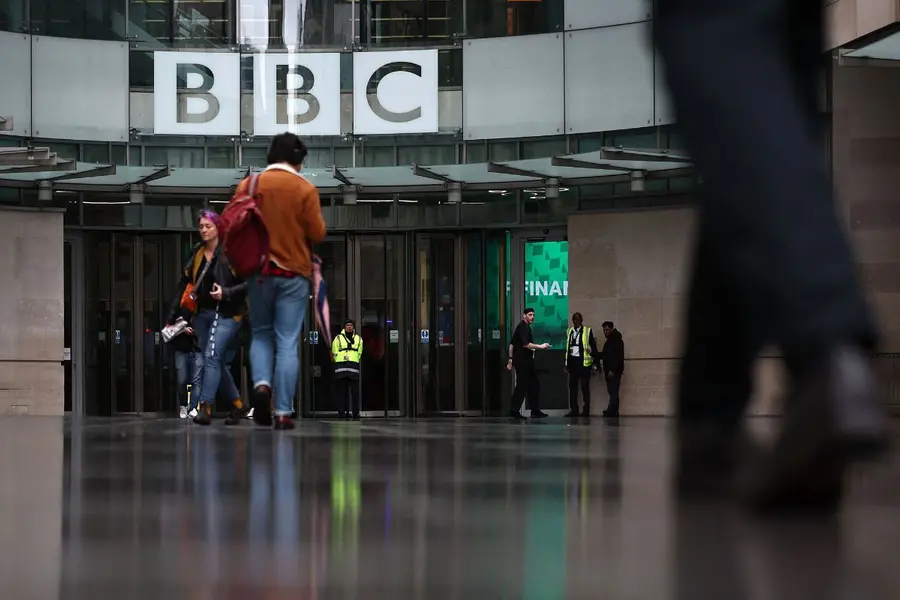
London: The BBC has announced it expects to make further savings of around 10% of its costs over the next three years, citing “substantial financial pressures” in a rapidly changing media landscape.
The broadcaster did not disclose the exact amount it aims to save, but UK media reports suggest the figure could be as high as £600 million ($817 million). The reductions are expected to involve job losses and some cuts to programming as the BBC adjusts to squeezed funding.
A BBC spokesperson said in a statement: “In a rapidly changing media market, we continue to face substantial financial pressures. As a result we expect to make further savings over the next three years of around 10 percent of our costs. This is about the BBC becoming more productive and prioritising our offer to audiences.”
ALSO READ | ‘A bad day’: Shashi Tharoor’s son Ishaan laid off as Washington Post cuts over 300 jobs
The funding shortfall has been worsened by a decline in the number of households paying the annual TV licence fee, which is mandatory for any UK household watching live television. The licence fee currently stands at £174.50.
According to a recent parliamentary committee report, the BBC collected £3.8 billion from more than 23 million licences in 2024–2025, but 3.6 million households declared they did not need one. The report found that more than £1.1 billion in revenue was lost during the same period due to households legitimately refusing or dodging the fee.
The BBC is also facing broader shifts in media consumption, including the rise of streaming and on-demand services, which are changing how audiences engage with content.
ALSO READ | Young employees aren’t settling in, they’re frogging out: Why Gen Z keeps changing jobs
These latest cost-saving measures come after the broadcaster has already made more than £500 million in savings over the last three years. The announcement comes amid continued fallout from the misleading edit of a speech by Donald Trump, who has filed a $10 billion defamation lawsuit against the BBC in Florida. A federal judge has set a trial date for February 2027.
The controversy led to the departure of outgoing director general Tim Davie, who is set to step down on 2 April.
Published: 13 Feb 2026, 08:16 am IST
Related Topics
Disclaimer: Kindly avoid objectionable, derogatory, unlawful and lewd comments, while responding to reports. Such comments are punishable under cyber laws. Please keep away from personal attacks. The opinions expressed here are the personal opinions of readers and not that of Mathrubhumi.
