
The EU is reviewing ethanol`s classification as a hazardous chemical due to potential cancer risks.
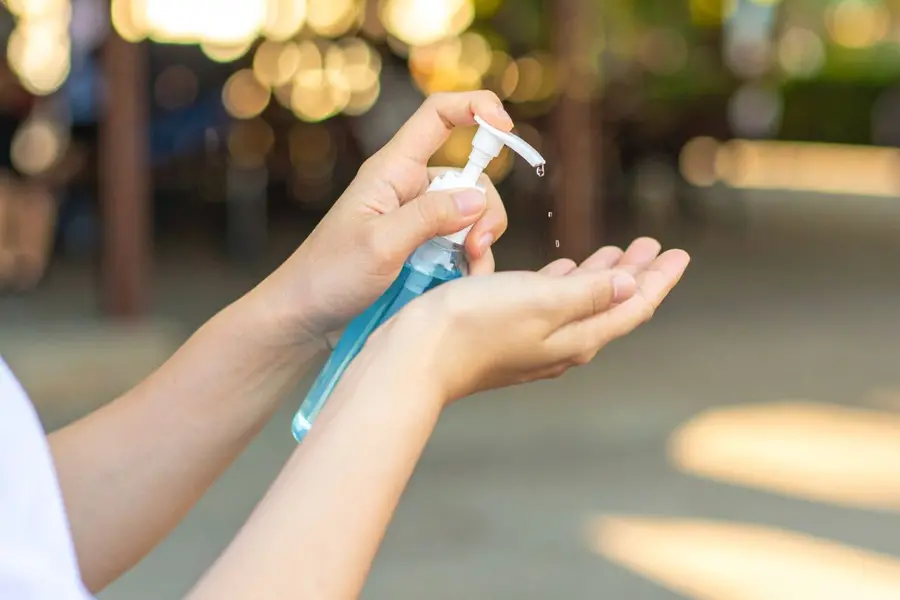
The European Union is evaluating whether ethanol, a key ingredient in most hand sanitisers, should be classified as a hazardous chemical amid concerns it may increase cancer risks, the Financial Times reported Tuesday. The review has sparked debates about the future of alcohol-based disinfectants, which became vital during the COVID-19 pandemic.
Internal recommendation flags risks
An internal report issued on October 10 by a working group within the European Chemicals Agency (ECHA) labelled ethanol as potentially toxic. The document suggested that the substance “may increase the risk of cancer and pregnancy complications” and could eventually be phased out from cleaning and other products if confirmed as dangerous.
The ECHA’s Biocidal Products Committee is scheduled to meet from November 25 to 28 to examine the findings. Should the committee determine that ethanol is carcinogenic, it is expected to advise substitution. The ultimate decision will be made by the European Commission, which may still allow limited usage based on exposure levels or lack of safer alternatives. ECHA stressed that no conclusions have been reached yet.
Ethanol’s importance in public health
Ethanol has long been recognised for its ability to kill viruses, bacteria, and fungi. It is commonly used in hospitals, food production facilities, and everyday cleaning products, in addition to hand sanitisers. The World Health Organization has included alcohol-based disinfectants on its list of essential medicines since the 1990s, underscoring their critical role in infection prevention.
During the COVID-19 pandemic, ethanol-based hand rubs became a cornerstone of public hygiene. Studies indicate that hand hygiene alone prevents millions of infections annually. According to FT sources, “Healthcare-associated infections kill more people every year than malaria, tuberculosis, and AIDS combined. Hand hygiene, especially with alcohol-based hand rub, saves 16 million infections worldwide per year.”
Challenges in finding alternatives
If a ban is implemented, the EU may explore other chemicals such as isopropanol, though these can be even more toxic. Regular handwashing with soap is another option but is less practical and can damage the skin. Research has shown that nurses spend up to 30 minutes of every hour of surgery washing their hands when disinfectants are not available.
Nicole Vaini, EU affairs director at the International Association for Soaps, Detergents, and Maintenance Products, questioned the scientific grounding of the internal ECHA report, which has not yet been publicly released.
Regulatory status and global guidance
ECHA confirmed in an emailed statement to Reuters that the regulator is still assessing ethanol for biocidal use. The agency said, “If its expert committee concluded that ethanol had the potential to cause cancer or harm human reproduction, it would recommend its substitution.” However, assessments are ongoing and no final decision has been taken.
Meanwhile, the World Health Organization maintains that both ethanol and isopropanol remain safe for use in hand hygiene.
Published: 21 Oct 2025, 06:28 pm IST
Related Topics
Disclaimer: Kindly avoid objectionable, derogatory, unlawful and lewd comments, while responding to reports. Such comments are punishable under cyber laws. Please keep away from personal attacks. The opinions expressed here are the personal opinions of readers and not that of Mathrubhumi.
