
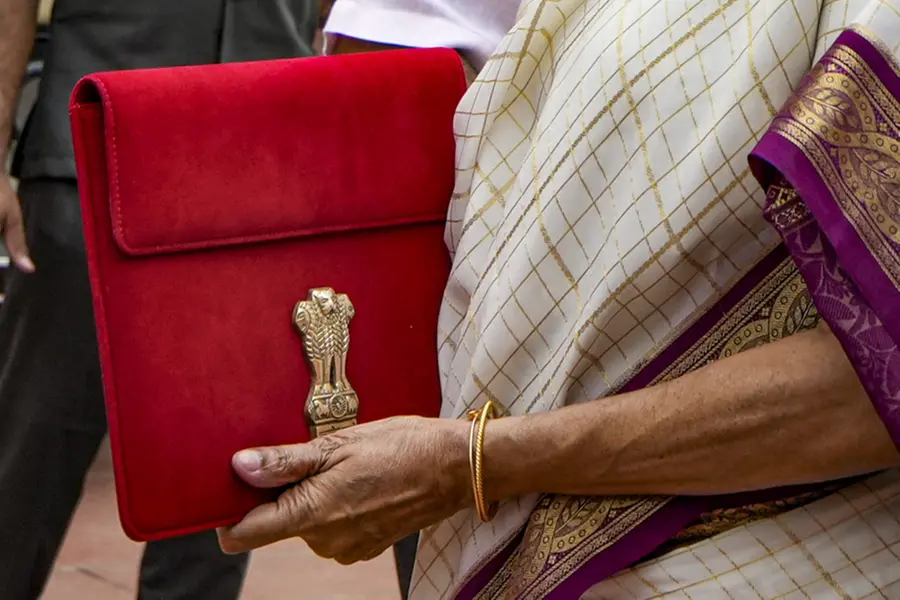
The Union Budget, also known as the financial blueprint of the nation, will be presented on February 1 by the Government of India. The budget would outline the country’s estimated receipts and expenditures for the upcoming fiscal year, offering a comprehensive look at how public resources will be allocated and spent.
What is Union Budget?
The Union Budget consists of two primary components: the Revenue Budget and the Capital Budget.
1. Revenue Budget: This includes the government’s revenue receipts (tax and non-tax) and revenue expenditure. Revenue expenditure pertains to operational costs, subsidies, and grants that do not result in asset creation.
2. Capital Budget: This comprises capital receipts, such as loans raised by the government, and capital expenditure, which involves investments in infrastructure, machinery, and other long-term assets. The Budget is further divided into three key accounts: Consolidated Fund of India (CFI), Contingency Fund, Public Account.
To learn more about budget terminologies click here.
Now let's understand how budget impacts consumers and their routines:
1. Cost of living
The Budget determines the taxation policies for the year. Changes in income tax slabs, GST rates, and excise duties directly impact disposable income. For instance, a reduction in income tax rates increases purchasing power, while higher taxes on essential goods can inflate household expenses.
2. Employment opportunities
Allocations for infrastructure development, manufacturing, and skill enhancement programs create jobs and stimulate economic activity. Initiatives under Centrally Sponsored Schemes and Central Sector Schemes often target rural employment and urban skill development.
3. Lifestyle changes
The government’s focus on green energy, digital transformation, and health infrastructure influences lifestyle choices. For example:
- Subsidies on electric vehicles may encourage their adoption.
- Increased healthcare spending can improve access to medical facilities.
- Policies promoting startups and MSMEs may boost entrepreneurship.
4. Savings and investments
Budget announcements often impact interest rates on savings schemes like PPF, EPF, and National Savings Certificates. Tax incentives for investments in mutual funds, stocks, or real estate can encourage long-term financial planning.
5. Daily expenses
Changes in indirect taxes on fuel, food, and essential commodities affect household budgets. A hike in fuel taxes, for instance, raises transportation costs, indirectly impacting the prices of goods and services.
6. Education and skill development
Allocations for education, scholarships, and vocational training programs influence access to quality education and skill enhancement, especially for marginalized sections of society.
Published: 22 Jan 2025, 01:20 pm IST
Related Topics
Disclaimer: Kindly avoid objectionable, derogatory, unlawful and lewd comments, while responding to reports. Such comments are punishable under cyber laws. Please keep away from personal attacks. The opinions expressed here are the personal opinions of readers and not that of Mathrubhumi.
