
Check current petrol, diesel, and LPG prices in major Indian cities on Nov 17, 2025. Find stable fuel rates and LPG costs, with key details for vehicle owners.
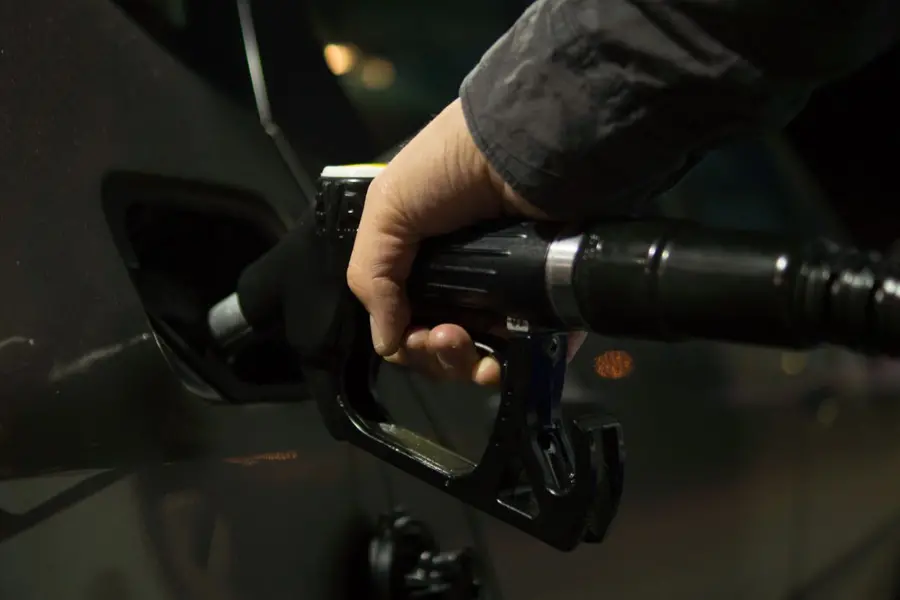
The petrol price in Mumbai on November 17, 2025, remained steady at ₹103.50 per litre, with diesel also unchanged at ₹90.03 per litre. This marks the 11th consecutive month of nationwide fuel price stability, with rates held firm since December 1, 2024, despite global crude oil fluctuations. The prices include state taxes and VAT and are key for consumers tracking fuel price trends and budgeting amidst rising inflation concerns. For a detailed breakdown, prices across all Indian states and districts are available, comparing current rates with the previous day’s figures to provide comprehensive insight into regional variations.
Current petrol and diesel prices in Major Indian cities (₹/Litre)
| City | Petrol Price | Diesel Price |
| New Delhi | ₹94.77 | ₹87.67 |
| Kolkata | ₹105.41 | ₹92.02 |
| Mumbai | ₹103.50 | ₹90.03 |
| Chennai | ₹100.90 | ₹92.48 |
| Bangalore | ₹102.92 | ₹90.99 |
| Hyderabad | ₹107.46 | ₹95.70 |
| Thiruvananthapuram | ₹107.48 | ₹96.48 |
Note: Prices already include state taxes and may vary slightly within districts.
LPG Price Stable
The LPG price today (November 17, 2025) for a 14.2 kg domestic cylinder in Mumbai stands at ₹852.50, unchanged since April 2025 after a ₹50 hike earlier this year amid stable global energy markets. Across India, LPG rates have increased by ₹50 over the past 12 months, reflecting moderated subsidy adjustments with no recent price revisions despite fluctuations in crude oil trends. City-wise LPG price variations continue, and households benefiting from the Ujjwala scheme can track their subsidies and cylinder costs amid ongoing inflation and energy price stability.
India's retail fuel and LPG prices continue to demonstrate notable stability today, maintained despite significant global crude oil volatility. This rare fuel price stability, a result of strategic government policies and Oil Marketing Companies' pricing decisions, provides a vital cushion for households and vehicle owners facing rising inflation and living costs. However, India’s petrol prices remain comparatively higher than neighbouring countries such as Nepal, Bangladesh, and Sri Lanka, primarily due to India's fuel tax structure dominated by central excise duties and state-level Value Added Tax (VAT). These tax policies are key drivers behind the elevated pump prices, reflecting the complex balance between market dynamics and government revenue needs.
Published: 17 Nov 2025, 07:33 am IST
Related Topics
Disclaimer: Kindly avoid objectionable, derogatory, unlawful and lewd comments, while responding to reports. Such comments are punishable under cyber laws. Please keep away from personal attacks. The opinions expressed here are the personal opinions of readers and not that of Mathrubhumi.
