
The Centre says ethanol costs more than petrol at current crude oil prices, making E20 fuel more expensive despite its long-term economic and environmental benefits.
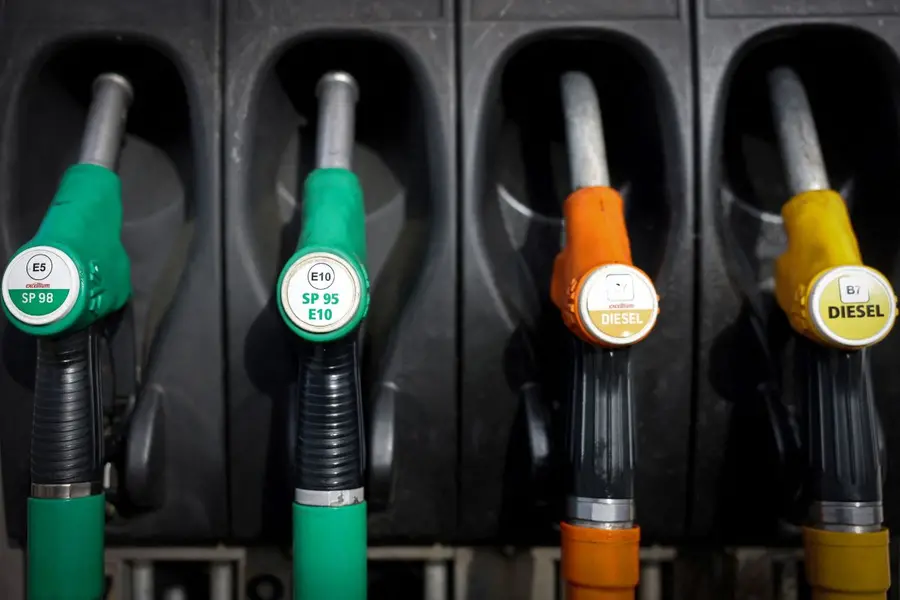
The Centre has clarified why E20 petrol is not priced lower than E10 or pure petrol, saying ethanol remains costlier to procure than petrol at current international crude oil prices.
In a detailed explanation, the Ministry of Petroleum and Natural Gas said ethanol is purchased from farmers at fixed rates that do not fluctuate with global crude prices.
At present, maize-based ethanol is procured at around Rs 71.86 per litre, making E20 more expensive to produce when crude oil trades near $70 per barrel.
However, the ministry said the equation would reverse if crude prices climbed to around $120 to $130 per barrel, making ethanol-blended fuel a cheaper alternative.
The ministry also defended the nationwide rollout of E20, saying operating separate supply chains for E10, E20 and pure petrol across more than one lakh fuel stations would be operationally difficult and economically unviable.
Addressing concerns over vehicle compatibility, the government said extensive testing by ARAI, SIAM and Indian Oil, along with feedback from automobile manufacturers, found no evidence that E20 causes engine or component damage, including in older vehicles certified for E10.
It cited Maruti Suzuki's servicing of 2.84 crore vehicles during FY 2025-26, including around 1.5 crore non-E20-certified vehicles, saying no fuel-related corrosion or component failures linked to E20 were reported.
While acknowledging that some vehicles may see a 3% to 5% reduction in fuel efficiency, the ministry said E20 offers a higher octane rating and can lower lifecycle carbon emissions by nearly 40%.
The government said India's ethanol blending programme, launched as a pilot in 2001 and accelerated through policy reforms after 2018, has increased blending levels from about 8.1% in 2020-21 to 20% in the current ethanol supply year.
According to the ministry, the programme has saved more than Rs 1.97 lakh crore in foreign exchange, transferred over Rs 1.66 lakh crore to farmers, reduced dependence on imported crude oil and helped shield consumers from global fuel price volatility.
Published: 10 Jul 2026, 03:16 pm IST
Related Topics
Disclaimer: Kindly avoid objectionable, derogatory, unlawful and lewd comments, while responding to reports. Such comments are punishable under cyber laws. Please keep away from personal attacks. The opinions expressed here are the personal opinions of readers and not that of Mathrubhumi.
