
Government data shows India currently has about 332 million active LPG consumers. The government also ordered refiners not to divert propane and butane for petrochemical production.
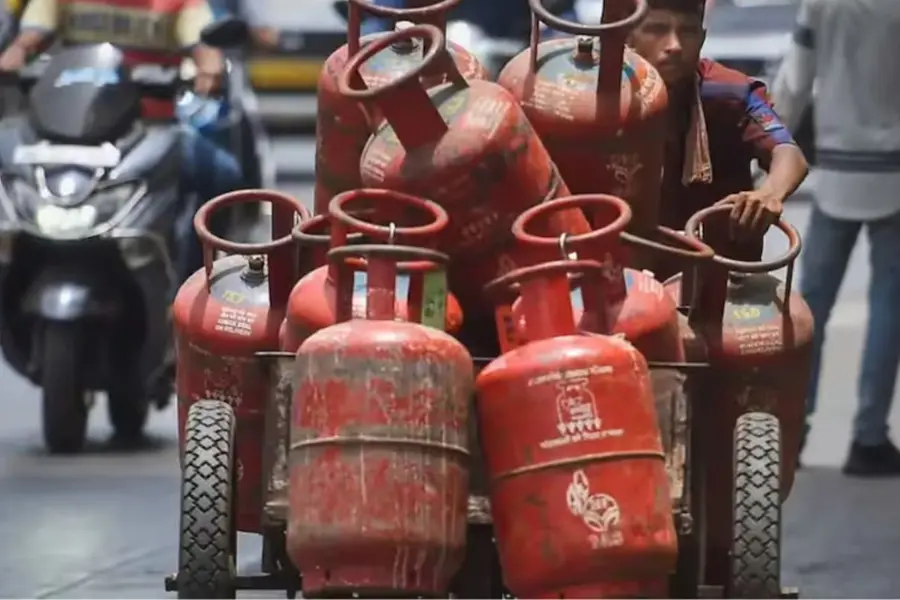
India has invoked emergency powers and directed oil refiners to maximise the production of liquefied petroleum gas (LPG) to prevent a potential shortage of the cooking fuel following supply disruptions linked to the Middle East crisis, the Economic Times reported, citing a government order.
India, the world’s second-largest importer of LPG, consumed about 33.15 million metric tonnes of cooking gas last year. Imports account for nearly two-thirds of the country’s LPG consumption, with around 85–90% of supplies coming from the Middle East.
According to the order issued late Thursday, all refiners have been asked to “maximise and ensure that propane and butane available with them are utilised for production of LPG.” The government has also directed producers to make LPG, propane and butane available to state-run refiners, Indian Oil Corp, Hindustan Petroleum Corp and Bharat Petroleum Corp, for distribution to households.
Also read | Karnataka bans social media for children under 16
Government data shows India currently has about 332 million active LPG consumers. The government also ordered refiners not to divert propane and butane for petrochemical production.
Earlier today, the United States allowed a 30-day waiver for India to purchase Russian Oil to meet its energy requirements amid the ongoing conflict in the Middle East.
US Treasury Secretary Scott Bessent said, "President Trump's energy agenda has resulted in oil and gas production reaching the highest levels ever recorded. To enable oil to keep flowing into the global market, the Treasury Department is issuing a temporary 30-day waiver to allow Indian refiners to purchase Russian oil. This deliberately short-term measure will not provide significant financial benefit to the Russian government as it only authorises transactions involving oil already stranded at sea. India is an essential partner of the United States, and we fully anticipate that New Delhi will ramp up purchases of U.S. oil. This stop-gap measure will alleviate pressure caused by Iran's attempt to take global energy hostage."
Also read | Gold prices drop in India: What’s behind the decline and should investors worry?
The waiver comes at a time when India continues to face potential risks linked to energy supply disruptions in the Middle East amid escalating tensions in West Asia after a joint US-Israel military strike on February 28 on Iranian territory resulted in the death of its Supreme Leader, Ayatollah Ali Khamenei and other senior figures.
India sources nearly 40 per cent of its oil imports from the region, with a significant portion transported through the strategically important Strait of Hormuz.
Published: 06 Mar 2026, 01:34 pm IST
Related Topics
Disclaimer: Kindly avoid objectionable, derogatory, unlawful and lewd comments, while responding to reports. Such comments are punishable under cyber laws. Please keep away from personal attacks. The opinions expressed here are the personal opinions of readers and not that of Mathrubhumi.
