
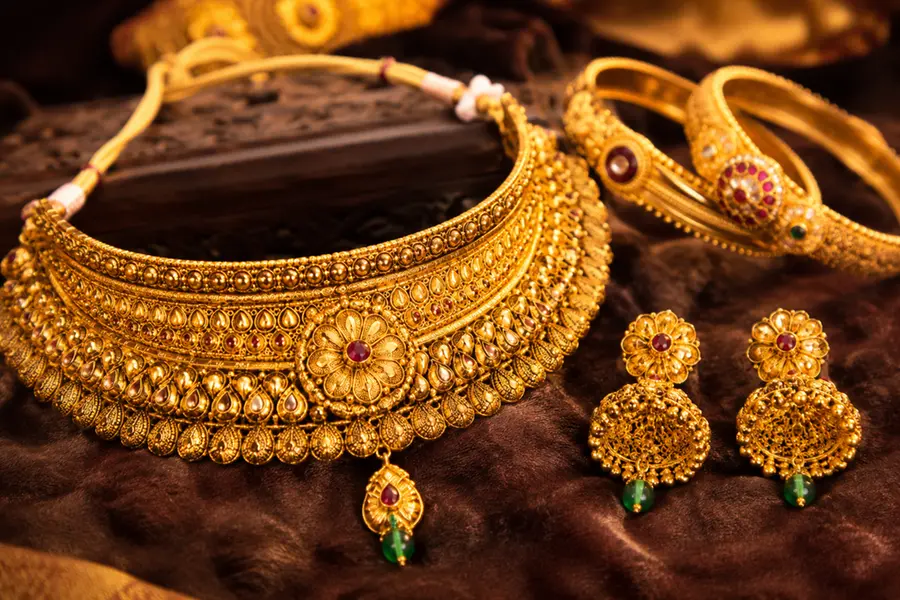
Gold rates in India edged higher on Wednesday, 16 September 2026, bringing single-day price increases for domestic buyers tracking precious metal markets. For ten grams of fine 24-karat gold, the national price reached ₹1,53,440, marking a gain of ₹2,700. Standard 22-karat gold climbed by ₹2,500 to ₹1,40,650 for ten grams, whilst 18-karat gold rose by ₹2,000 to stand at ₹1,15,080. These domestic increases follow early-morning gains on the Multi Commodity Exchange (MCX) and shifting global indicators ahead of key international economic policy announcements.
Domestic rates per gram and city prices
On a per-gram basis, 24-karat gold is priced at ₹15,344 today, representing a ₹27 rise over previous levels. Meanwhile, 22-karat gold stands at ₹14,065 per gram after a ₹25 increase, and 18-karat gold sits at ₹11,508 per gram, up by ₹20. Eight-gram quantities recorded corresponding upward moves, reaching ₹1,22,752 for 24-karat, ₹1,12,520 for 22-karat, and ₹92,064 for 18-karat gold.
Price differences across major Indian urban centres remain minor. Buyers in Delhi face slightly higher rates, where 24-karat gold stands at ₹15,359 per gram, 22-karat at ₹14,080, and 18-karat at ₹11,523. In Gujarat, both Ahmedabad and Vadodara recorded ₹15,349 per gram for 24-karat, ₹14,070 for 22-karat, and ₹11,513 for 18-karat gold. Meanwhile, Mumbai, Kolkata, Bangalore, Hyderabad, Pune, and Kerala share uniform rates of ₹15,344 per gram for 24-karat, ₹14,065 for 22-karat, and ₹11,508 for 18-karat gold. Chennai matches these 24-karat and 22-karat rates, though its 18-karat gold stands at ₹11,834 per gram.
Domestic futures and physical market momentum
Trading in domestic futures opened on a firmer note on Wednesday morning. On the MCX, October gold futures traded 0.57 per cent higher at ₹1,51,667 per 10 grams around 9:10 AM. Silver also showed positive momentum, with MCX December silver contracts rising 1.31 per cent to ₹2,35,159 per kilogram.
This upward movement in metal prices coincided with an approximate 1 per cent decline in global crude oil prices, which eased pressure on the US dollar and allowed US 10-year bond yields to cool below 4.9 per cent. Softer bond yields generally support bullion because non-interest-bearing assets become relatively more appealing when yields fall.
International trends and economic influences
In international markets, spot gold rose 0.8 per cent to $4,328.39 per ounce after touching a one-month low earlier in the week. US gold futures for December delivery traded higher at $4,381.65 per troy ounce in domestic market updates, whilst other global session data recorded December futures at $4,369.50. Other precious metals also advanced, with spot silver gaining 1.5 per cent to $64.60 per ounce, platinum edging 0.7 per cent higher to $1,788.25, and palladium adding 1.6 per cent to $1,309.80.
Beyond currency movements, broader economic and geopolitical factors are actively influencing sentiment. Financial markets are focused on the US Federal Reserve, where interest rates are expected to increase by 25 basis points as US inflation has stayed above the central bank's 2 per cent target for 65 consecutive months. CME FedWatch figures indicate a 92.4 per cent likelihood of this rate increase, which will be followed by a statement from Fed Chair Kevin Warsh.
At the same time, oil supply risks came into focus after Saudi Arabia suspended loading at its Yanbu port following an unexpected rise in US crude inventories. Geopolitical concerns also flared in the Middle East after Saudi air defences destroyed a Houthi drone south of Mecca. Despite expectations of higher interest rates, ongoing fiscal worries, elevated long-term bond yields, and recent US political uncertainties continue to offer underlying support for gold prices
Published: 16 Sept 2026, 09:48 am IST
Related Topics
Disclaimer: Kindly avoid objectionable, derogatory, unlawful and lewd comments, while responding to reports. Such comments are punishable under cyber laws. Please keep away from personal attacks. The opinions expressed here are the personal opinions of readers and not that of Mathrubhumi.
