
The move follows a global airline trend of unbundling services, helping carriers reduce costs while giving travellers more flexibility
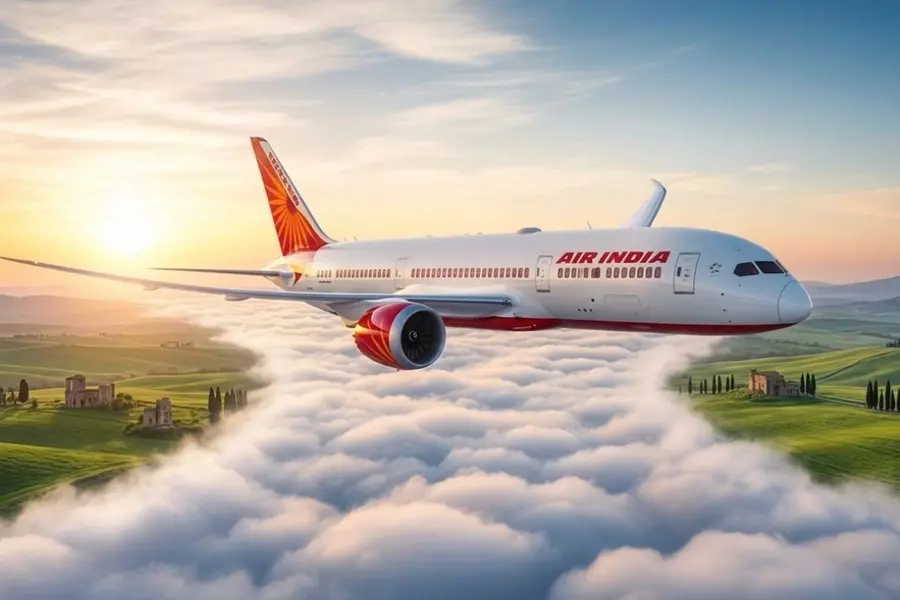
Air India has introduced a new "basic" fare category on select domestic routes, allowing passengers to save money by opting out of complimentary onboard meals.
At first glance, the move may seem like a small change. However, it reflects a growing trend across the airline industry where carriers are looking for innovative ways to control costs while giving travellers greater flexibility over what they pay for.
For passengers taking short domestic flights, many of whom may not even eat the meal served onboard, the new fare could offer a welcome opportunity to reduce ticket costs. For Air India, it represents another tool to improve efficiency at a time when airlines worldwide are facing rising operational expenses.
What is the new Basic fare?
The newly introduced Basic fare becomes the fourth economy-class fare option offered by Air India, joining the existing Value, Classic and Flex categories.
The fare is currently being tested on selected domestic routes and is aimed at travellers who prioritise affordability over additional onboard services.
Passengers choosing the Basic fare will still receive other common perks like 15 kg checked baggage allowance, 7 kg cabin baggage allowance and complimentary tea or coffee onboard.
The main difference is that complimentary meals will not be included.
However, travellers who wish to purchase a meal can still do so up to 24 hours before departure. Air India will offer various meal choices, including vegetarian, non-vegetarian, Jain and diabetic meal options.
The airline has clarified that the change applies only to Economy Class. Business Class and Premium Economy passengers will continue receiving complimentary meals and services as before.
A small change delivering meaningful savings
Airlines operate on extremely thin margins, and catering is one of many costs that carriers constantly evaluate.
Every meal served onboard involves more than just the food itself. Airlines must pay for meal preparation, packaging, transportation to airports, loading onto aircraft, storage, handling and disposal of unused meals.
Industry experts estimate that a typical domestic meal can cost airlines anywhere between ₹150 and ₹350 per passenger. When multiplied across thousands of daily passengers, those costs quickly become substantial.
By allowing passengers to opt out of meals, Air India can potentially reduce catering expenses, minimise food wastage and lower aircraft weight. Even a slight reduction in weight can contribute to lower fuel consumption over time.
While the savings per passenger may be relatively small, the cumulative impact across a large network can be significant.
Why passengers might welcome the change
Importantly, Air India is not removing meals altogether. Instead, it is giving customers a choice. Many domestic flights in India last less than two hours. On sectors such as Delhi-Chandigarh, Delhi-Udaipur, Mumbai-Goa or Bengaluru-Hyderabad, some passengers may prefer paying less rather than receiving a meal they may not consume.
Business travellers often eat before departure or immediately after arrival. Leisure travellers may carry their own snacks. Others may simply prefer a lower fare. For such passengers, the Basic fare creates a more personalised travel experience.
As Air India has emphasised, the initiative is not about taking away benefits but about allowing customers to decide what services they value most.
Part of a global trend
Air India's move is not unique. Airlines across the world have increasingly adopted unbundling strategies to combat rising costs and changing passenger preferences.
Today, many carriers separate services such as meals, seat selection, checked baggage and priority boarding from the base ticket price.
This allows passengers to pay only for the services they actually use. Around the world, airlines have adopted a variety of measures to manage costs while maintaining competitiveness.
Lufthansa Group- Several airlines within the Lufthansa Group introduced buy-on-board meal concepts for short-haul flights. Passengers purchase food and beverages separately, reducing catering costs and food waste.
British Airways- British Airways removed complimentary meals from many short-haul economy flights and replaced them with a paid food service. The move helped lower costs while giving passengers greater choice.
Finnair- Finnair shifted to pre-order meal systems on several routes, helping reduce waste and improve inventory management.
Qantas- The Australian carrier has invested heavily in fuel-saving measures, including lighter service carts, lighter seats and digital documentation to reduce aircraft weight.
United Airlines and Delta Air Lines- Major US carriers have increasingly used dynamic pricing, optional ancillary services and technology-driven efficiency programmes to protect margins amid volatile fuel prices.
Low-cost carriers- Airlines such as Ryanair, easyJet, AirAsia and IndiGo have built their business models around unbundled services. Passengers pay separately for meals, baggage, seat selection and other optional services, allowing airlines to keep headline fares low.
The airline industry continues to face multiple cost pressures. Fuel remains the largest single operating expense for most carriers.
Geopolitical tensions in various regions have contributed to fuel price volatility, while airspace restrictions have forced airlines to take longer routes on some international sectors.
At the same time, airlines are dealing with higher labour costs, airport charges, maintenance expenses and aircraft supply chain disruptions.
Against this backdrop, airlines are increasingly looking for operational efficiencies that passengers can accept without feeling a significant reduction in service quality.
A smart move?
For Air India, the Basic fare appears to be a low-risk experiment. Passengers who want a lower fare now have an additional option, while those who prefer traditional full-service benefits can continue choosing the Value, Classic or Flex categories.
The airline has indicated that it will closely monitor passenger response during the pilot phase before deciding whether to expand the offering across its network.
If successful, the initiative could become another example of how airlines are balancing cost management with customer choice in an increasingly competitive environment.
Published: 17 Jun 2026, 03:47 pm IST
Related Topics
Disclaimer: Kindly avoid objectionable, derogatory, unlawful and lewd comments, while responding to reports. Such comments are punishable under cyber laws. Please keep away from personal attacks. The opinions expressed here are the personal opinions of readers and not that of Mathrubhumi.
