
With the ban on trawling, small boatmen and traditional fishermen are casting their nets in anticipation
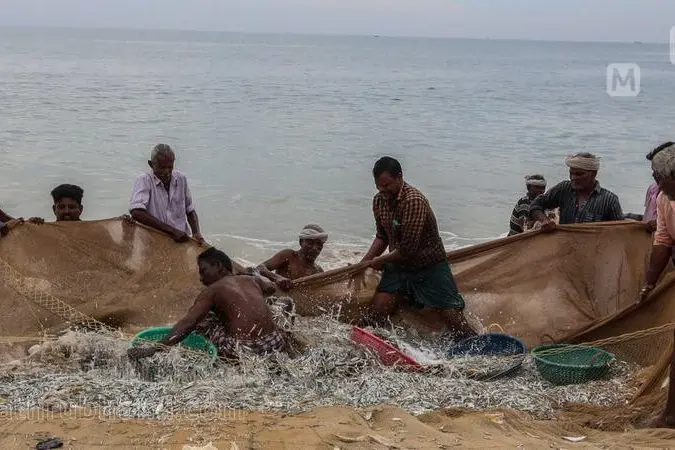
Ambalapuzha: Aandiyar Deepam, a slender traditional boat (Veenjuvallam) owned by a Punnapra native, K.D. Akhilanandan set out to sea from Thottapalli on Wednesday morning with 28 workers. However, it returned at 5 pm with an unfilled net. The cost of fuel and the workers' bata (daily wage) amounted to Rs 22,000. The fish fetched only Rs 3,000 in the market, making the trip a financial loss.
The first days of the eagerly awaited trawling ban have been a disappointment for traditional fishermen. Around a hundred large boats set out from Thottapalli on Wednesday. Of these, only three Leyland boats got sardines while others returned empty. The shore-seine fishers (Neettuvallakkar) and country boat fishers (Ponthuvallakkar) found some success. Many among them managed to catch sardines and small fish.
The 52-day trawling ban on the Kerala coast came into effect at midnight on Monday. Around 40 mechanised boats in the district have been stranded. The boats have been shifted to yards in Kollam district for repairs and painting. The remaining ones are anchored in inland waters.
The trawling ban is expected to benefit traditional fishermen, as mechanised boats remain inactive. Many of the boat workers who have lost their jobs will go to work on traditional boats during the ban. The arrival of adverse weather conditions is a concern for these traditional workers. The traditional fishing sector is praying to escape the debt trap if there is a mud bank or sardine dumping phenomenon (chaakara) during the trawling ban.
Dolphins a threat
Dolphins pose a threat to workers who go to sea even in adverse conditions. The nets of boats including the Aandiyar Deepam, which were launched from the Thottapalli on Wednesday, were torn apart by Dolphin attacks. When going to sea itself becomes a financial burden, the workers say that such setbacks are a threat to their survival.
No sign of mud bank or sardine dumping phenomenon
Fishermen say they have not seen any signs of the mud bank. With the ban on trawling, small boatmen and traditional fishermen are casting their nets in anticipation. They say the catch is not as good as expected. The workers said that the availability of fish was also low in the northern part of the district.
They are concerned that there is a shortage of fish at sea and that the surface fish have moved away from the shore due to the ship fire. The fishermen are further alarmed by forecasts predicting a strong monsoon. If rough seas caused by wind and waves coincide with fishing restrictions, many workers fear being stranded without income.
The sale of fish caught from inland waters is common along the roadsides.
Published: 12 Jun 2025, 10:44 am IST
Related Topics
Disclaimer: Kindly avoid objectionable, derogatory, unlawful and lewd comments, while responding to reports. Such comments are punishable under cyber laws. Please keep away from personal attacks. The opinions expressed here are the personal opinions of readers and not that of Mathrubhumi.
