
Karkidakam begins on July 17, bringing Kerala's month-long observance of Ramayana recitals, Ayurvedic wellness and spiritual traditions.
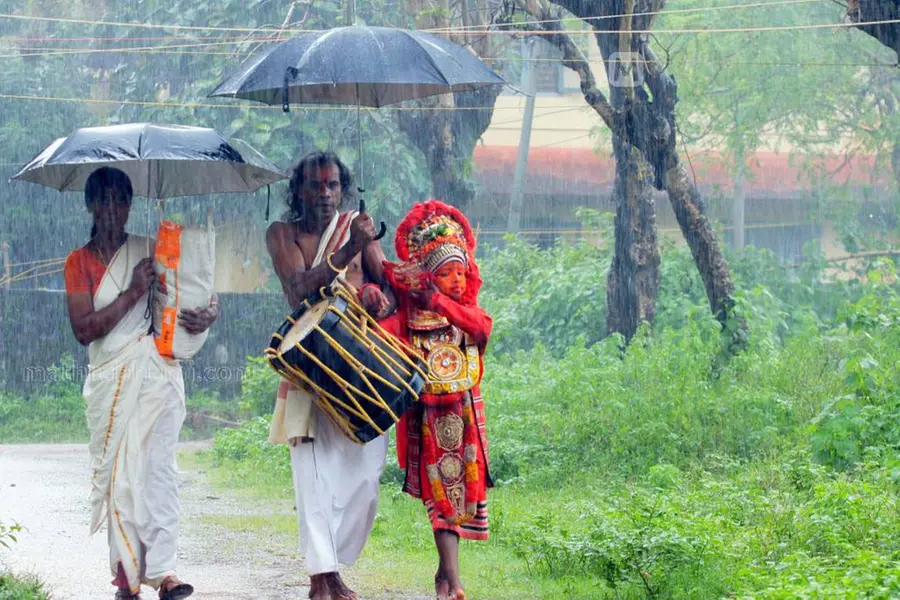
Kerala will usher in Karkidakam, the last month of the Malayalam calendar, on July 17 (Friday). More than just the peak of the monsoon, Karkidakam is regarded as a month of spiritual reflection, healing and renewal, marked by the daily recitation of the Adhyathma Ramayanam, Ayurvedic wellness practices and ancestral rituals.
The month holds special significance because it coincides with the height of Kerala's southwest monsoon. In earlier times, heavy rains often brought agricultural work to a halt, resulting in food scarcity, financial hardship and seasonal illnesses. This gave rise to the term "Panja Karkidakam", or the month of scarcity. Reading the Ramayana was believed to provide emotional strength and hope during this difficult period, gradually becoming one of Kerala's most enduring spiritual traditions.
Also Read

Known as Ramayana Masam, Karkidakam is a month when thousands of Hindu families across Kerala recite the Adhyathma Ramayanam Kilippattu. The devotional work was written by 16th-century poet Thunchath Ramanujan Ezhuthachan, who is widely regarded as the father of the Malayalam language. The recitation begins on the first day of Karkidakam and concludes on the last, with verses read every morning and evening in homes and temples.
Unlike Valmiki's Ramayana, which primarily portrays Rama as an ideal human king, Ezhuthachan's Adhyathma Ramayanam emphasises Lord Rama's divinity and devotion. Over the centuries, it transformed the tradition of worship in Kerala by bringing spiritual practices from temples into ordinary households, making the epic accessible to people across communities.
Temples across the state organise Ramayana recitals, spiritual discourses, Ganapathi poojas and special prayers throughout the month. Many devotees also undertake Nalambala Darshanam, a pilgrimage to four temples associated with Lord Rama, Lakshmana, Bharata and Shatrughna. Another important observance during the month is Karkidaka Vavu, the new moon day dedicated to Balitarpanam, when devotees perform rituals in memory of their ancestors.
Karkidakam is equally associated with Ayurvedic rejuvenation. The damp weather is traditionally considered ideal for therapies that strengthen the body and improve immunity. Many families prepare Karkidaka Kanji, a medicinal porridge made with herbs, spices and medicinal ingredients, while Ayurvedic centres offer specialised monsoon treatments such as oil massages and other therapies.
Traditional customs also include the use of Dashapushpam, a group of ten sacred medicinal plants believed to bring protection, prosperity and good health. The flowers are offered before lamps and deities in many homes during the month. Dashapushpam (mukkutti, thiruthali, kayyoni, cheroola, nilappana, karuka, muyalcheviyan, vishnukranthi, puvankurunnila and uzhinja) is also used in cooking during this season. People crush the entire plant to extract its juice rather than using only the blossoms, and the liquid is mixed directly with rice during cooking. The herbal mixture is said to strengthen immunity, reduce inflammation and fight harmful microbes. According to Ayurveda practitioners, it also provides antioxidants, helps remove excess body water and improves digestion.
For Malayalis, Karkidakam is much more than a calendar month. It is a unique blend of faith, literature, health and tradition—a time to slow down, reconnect with family, care for the body and seek spiritual guidance before welcoming Chingam, the first month of the Malayalam New Year.
Published: 17 Jul 2026, 08:00 am IST
Related Topics
Disclaimer: Kindly avoid objectionable, derogatory, unlawful and lewd comments, while responding to reports. Such comments are punishable under cyber laws. Please keep away from personal attacks. The opinions expressed here are the personal opinions of readers and not that of Mathrubhumi.