
Kerala has announced a two-month ration distribution for April and May, citing concerns over global supply disruptions linked to tensions in West Asia
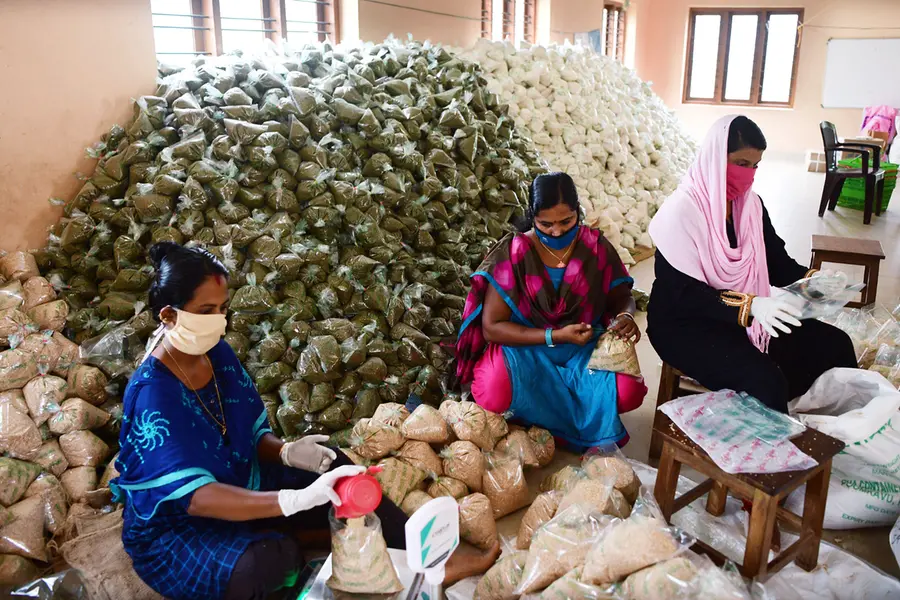
Alappuzha: In a precautionary move amid rising tensions in West Asia, the Kerala government has decided to distribute ration supplies for April and May together through the Public Distribution System (PDS).
The decision follows advisory inputs from the Centre, which had suggested advance distribution to prevent any possible disruption in food supply chains.
Also Read

While the Centre recommended providing up to three months’ ration in advance, Kerala has opted for a two-month distribution due to storage limitations at ration shops across the state. Officials have also indicated that June’s quota may be distributed early if required.
The distribution will begin from April 4, with a staggered timeline to avoid crowding and ensure smooth access for beneficiaries.
Distribution timeline
- April quota: available from April 4 to April 30
- May quota: available from April 4 to May 30
Under the revised system, ration will be provided based on card categories, with both months’ quota combined.
Key ration highlights
- Yellow cardholders will receive bulk food grains like rice and wheat free of cost, along with subsidised flour
- Pink cardholders will get per-member allocations of rice and wheat, with flexibility to opt for flour
- Blue and white cardholders will receive rice at subsidised rates, with some additional quota at slightly higher prices
- Availability of flour for certain categories will depend on stock at local ration shops
In addition to food grains, kerosene distribution has also been planned for the April–June quarter.
Kerosene allocation
- Electrified households will receive limited quantities (1 litre for yellow cards, 0.5 litre for others)
- Non-electrified households will receive up to 6 litres
The move is aimed at ensuring food security and uninterrupted supply of essential commodities, especially for vulnerable sections that depend on ration systems. With global uncertainties continuing, the state is taking steps to build a buffer at the household level.
Overall, the advance distribution reflects a cautious and preventive approach to manage any potential supply disruptions while maintaining a smooth and organised ration delivery system.
Published: 01 Apr 2026, 09:29 am IST
Disclaimer: Kindly avoid objectionable, derogatory, unlawful and lewd comments, while responding to reports. Such comments are punishable under cyber laws. Please keep away from personal attacks. The opinions expressed here are the personal opinions of readers and not that of Mathrubhumi.