
People who are exposed to contaminated water or soil should remain alert to symptoms and contact a healthcare worker promptly if they develop signs of leptospirosis
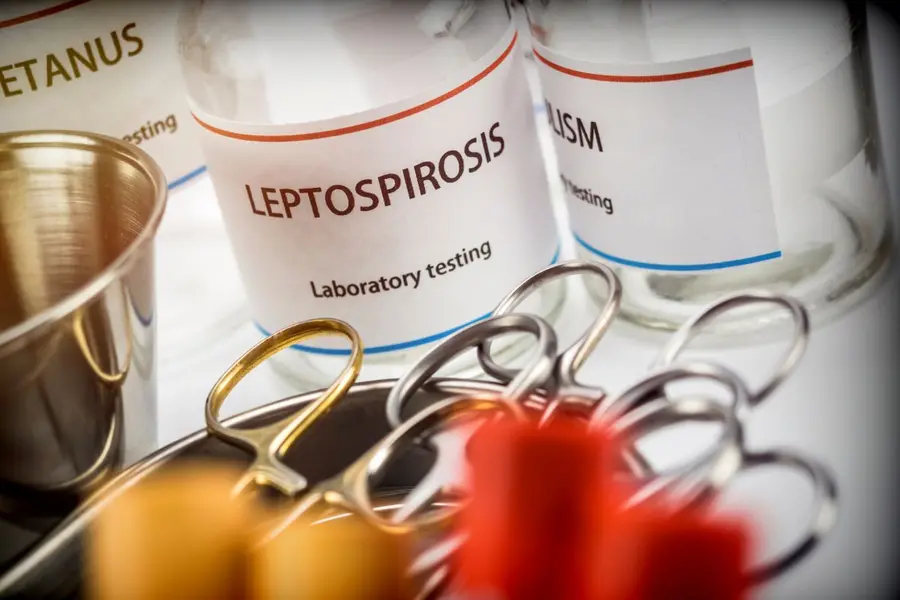
Thiruvananthapuram: Leptospirosis is raising concern in Kerala, with two more people dying of the disease in Ernakulam and Kozhikode in the past few days. Six people have died of leptospirosis in the state in the first week of this month alone.
In view of the rising number of cases and deaths, the state health department is preparing to amend the treatment guidelines for leptospirosis.
Also Read

Dr A Altaf, Professor at Thiruvananthapuram Medical College, said more than half of the deaths from infectious diseases reported in Kerala were due to leptospirosis. According to data from the past 5 years, between 300 and 400 people die of the disease in the state every year, he said.
Dr Altaf said deaths could be prevented if patients sought medical attention as soon as symptoms appeared. He also warned against self-medication, stressing that early diagnosis and appropriate treatment are crucial.
A recent health department report also showed that wage labourers account for the largest share of leptospirosis deaths in Kerala. According to the department's 2025 analysis by occupation, 36.72% of those who died from the disease were wage labourers.
People who work in muddy water and waterlogged areas during the monsoon are particularly vulnerable. Those engaged in agriculture and allied activities accounted for 10.94% of the deaths, followed by people involved in farming and gardening in their backyards (10.16%), construction workers (9.38%) and NREGA workers (7.81%).
How does leptospirosis spread?
Leptospirosis is caused by bacteria that can spread through contact with water or soil contaminated with the urine of infected animals, including rats, squirrels, cattle, goats and dogs.
The bacteria can enter the human body through cuts or wounds in the skin, or through the eyes, nose and mouth.
Symptoms
The disease commonly causes a sudden high fever, severe headache, muscle pain and, in some cases, chills.
Other symptoms may include severe calf and back pain, redness of the eyes, jaundice, yellowing of the skin and eyes, and dark or yellow-coloured urine.
Anyone developing symptoms after exposure to potentially contaminated water or soil should seek medical attention immediately.
Doxycycline for prevention
People at high risk of exposure may be prescribed doxycycline as a preventive measure. Health workers may advise taking 200 mg of doxycycline once a week during periods of contact with contaminated soil or water.
Doxycycline is available free of cost at government hospitals in the state. However, it should be taken only on the advice of a healthcare professional.
How to prevent leptospirosis
Prevention is key, particularly during the monsoon. People who have to enter potentially contaminated water should:
-
Use protective gloves, knee-high boots and masks.
-
Avoid entering contaminated water if there are cuts or wounds on hands or feet.
-
Keep surroundings clean and prevent accumulation of waste.
-
Keep food covered and store in sealed containers that cannot be accessed by rats.
-
Wash hands and feet thoroughly with soap after coming into contact with water.
-
Avoid playing or bathing in stagnant water.
People who are exposed to contaminated water or soil should remain alert to symptoms and contact a healthcare worker if they develop signs of leptospirosis.
Self-medication should be avoided under all circumstances. Early medical attention can significantly reduce the risk of severe illness and death.
Published: 08 Aug 2026, 03:38 pm IST
ABOUT THE AUTHOR
Related Topics
Disclaimer: Kindly avoid objectionable, derogatory, unlawful and lewd comments, while responding to reports. Such comments are punishable under cyber laws. Please keep away from personal attacks. The opinions expressed here are the personal opinions of readers and not that of Mathrubhumi.