
Researchers reveal how gut microbes influence heart health, with metabolites like TMAO and IPA shaping cardiovascular risk.
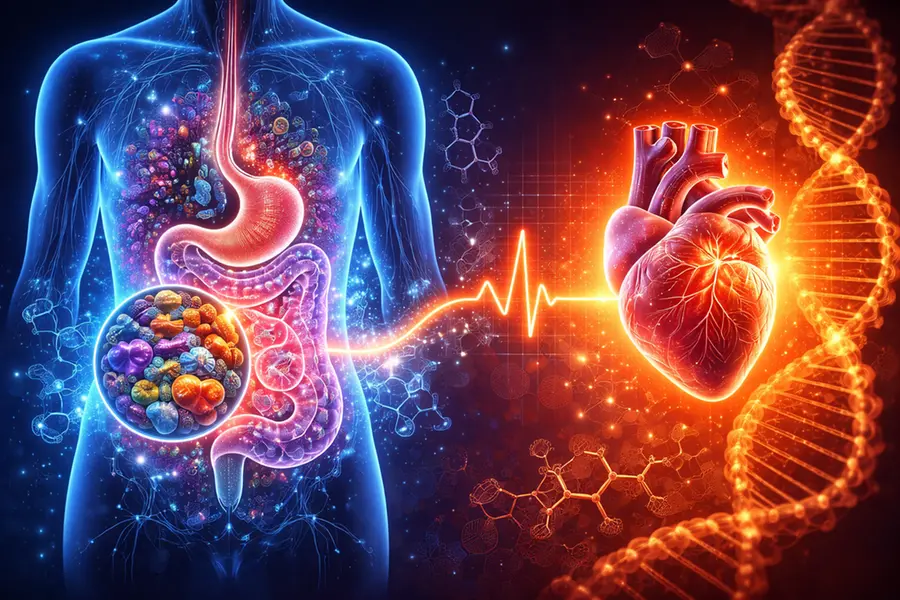
Leicester (UK): Emerging research highlights the crucial role of the gut microbiome in heart health, suggesting that the tiny organisms in our digestive system may influence the development and progression of cardiovascular disease. A recent study at the University of Leicester has provided new insights into how microbial composition and metabolites can shape heart disease risk.
The gut microbiome, the trillions of bacteria, viruses and fungi living in the intestines, is already known to affect digestion, immune function, metabolism and neurological processes. Changes in its composition have been linked to conditions such as inflammatory bowel disease, colorectal cancer, obesity and mental health disorders.
The gut-heart connection
Scientists are increasingly exploring the “gut-heart axis”, a newly recognised connection between gut microbes and heart disease. Heart disease remains the leading cause of death worldwide, with traditional risk factors including smoking, high blood pressure, obesity and diabetes. Research now indicates that the balance of gut microbes may shape how these risks manifest and how cardiovascular disease progresses.
According to Newberry’s study, people with cardiovascular conditions show distinct gut microbiome profiles compared with healthy individuals. While no single “heart disease microbe” has been identified, the study highlights patterns such as reduced microbial diversity, loss of beneficial bacteria, and overgrowth of inflammation-linked microbes.
Microbial diversity, the variety and balance of gut microorganisms, is increasingly viewed as a marker of overall microbiome health. A decline in diversity may signal the onset of disease. Newberry’s research analysed results from 67 studies encompassing over 6,000 patients with acute coronary syndrome, atrial fibrillation, coronary artery disease, heart failure, or stroke, revealing that beneficial fibre-fermenting bacteria such as Faecalibacterium were consistently lower in those with cardiovascular disease.
Also read| Laddus, ice creams and breads: What are Korean monoglycerides in our foods?
Microbial metabolites and heart risk
Gut microbes act as miniature factories, breaking down food and producing hundreds of small molecules known as metabolites. Some of these metabolites benefit the body, while others can be harmful in excess.
One of the most significant links to cardiovascular disease involves trimethylamine N-oxide (TMAO). Certain gut bacteria convert nutrients found in red meat, eggs and dairy into trimethylamine (TMA), which is then processed by the liver into trimethylamine N-oxide (TMAO. Elevated blood levels of TMAO have been associated with an increased risk of heart attack, stroke and cardiovascular death. Individual differences in gut microbiomes mean that TMAO production can vary even when people consume the same foods.
Not all gut-derived metabolites are harmful. Some, such as indole compounds produced from tryptophan, an essential amino acid in protein-rich foods, may provide cardioprotective benefits. One promising metabolite, indole-3-propionate (IPA), produced mainly by Clostridium sporogenes, has been linked to lower rates of type 2 diabetes and cardiovascular disease. IPA also strengthens the gut barrier, preventing harmful microbial products from entering the bloodstream.
Implications for prevention and treatment
The growing evidence connecting gut microbes to heart disease is reshaping approaches to prevention and therapy. Newberry’s study emphasises that microbial “fingerprints” could eventually be used alongside traditional risk factors to identify individuals at risk before symptoms appear.
In the future, probiotics and other microbiome-targeted interventions may be used therapeutically to slow the progression of cardiovascular disease or reduce populations of microbes that contribute to heart risk.
While this field of research is still emerging, experts emphasise that the gut microbiome is an integral part of overall health. Caring for your heart may involve not only what you eat, but also how your gut microbes process those foods.
Also Read| Chasing viral ‘Korean Glass Skin’ trend? Experts warn it could be dangerous
This research underscores the potential of the gut-heart axis as a key factor in reducing cardiovascular disease risk and improving long-term heart health.
inputs from agencies
Published: 09 Mar 2026, 02:57 pm IST
Related Topics
Disclaimer: Kindly avoid objectionable, derogatory, unlawful and lewd comments, while responding to reports. Such comments are punishable under cyber laws. Please keep away from personal attacks. The opinions expressed here are the personal opinions of readers and not that of Mathrubhumi.
