
The study notes a declining trend in convective rainfall over northern coastal Kerala but an increasing trend in the coastal areas of southern Kerala.
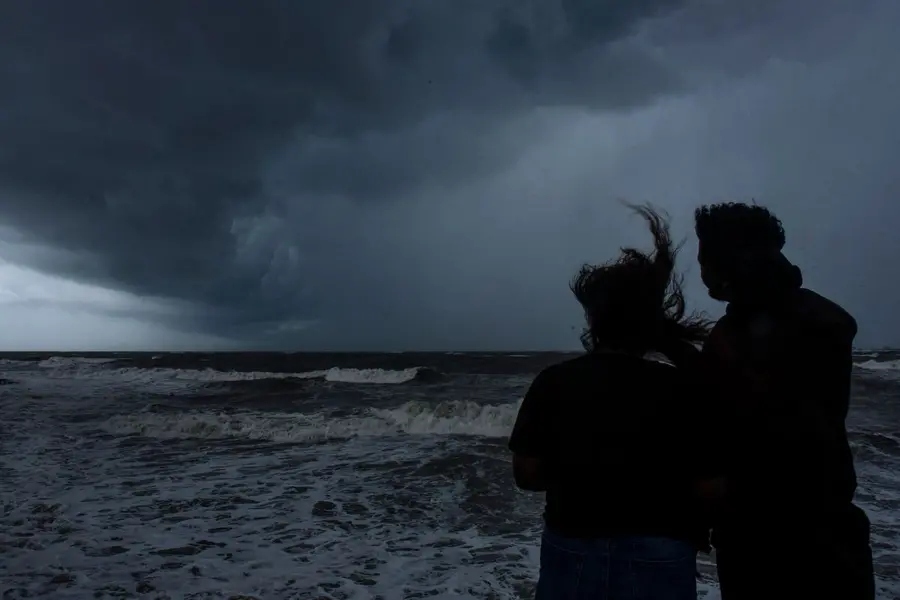
Kalamassery, Kerala: Kerala has been witnessing a significant rise in the frequency of convective storms during May, ahead of the southwest monsoon, and the border areas of Idukki and Kottayam have emerged as hotspots for lightning impacts, according to a study by the Department of Atmospheric Sciences at the Cochin University of Science and Technology (CUSAT).
The study, conducted by Dr. S. Abhilash, Director of the Advanced Centre for Atmospheric Radar Research at CUSAT, along with E.K. Krishnakumar, C.S. Abhiram Nirmal, and Prabhat H. Kurup, has been published in the science magazine Geomatics, Natural Hazards and Risk. Titled ‘Identifying the hotspot regions of emerging triple risk due to pre-monsoon convective storms over Kerala’, the research warns that conditions in southern Kerala are deteriorating, with increased chances of frequent flash floods in coastal and midland areas and landslides in the Western Ghats.
What is a Convective storm?
Convective rainfall happens when the sun heats the land, causing warm, moisture-rich air to rise, cool, and condense into clouds. This leads to intense, short-duration showers often accompanied by lightning and thunder. Meanwhile, a convective storm, or thunderstorm, forms when warm, moist air rises rapidly, creating powerful updrafts and downdrafts. These storms can trigger severe weather such as heavy rain, lightning, strong winds, hail, and occasionally tornadoes.
What study say about Kerala’s weather
The study highlights that convective storms (CS) frequently occur in Kerala during the pre-monsoon period, particularly in May, bringing intense rainfall, lightning, and wind gusts that cause significant damage to life, property, infrastructure, and livelihoods. The findings underline the triple-threat nature of these storms.
According to the research, excessive rainfall associated with CS is more intense in northern Kerala than in the south. Coastal regions have emerged as the most vulnerable hotspots for extreme rainfall, with severity increasing from Ernakulam to Kasaragod. The study notes that the topographical characteristics of regions such as the Kottayam–Idukki border and eastern Malappuram influence rainfall intensity. Districts including Kottayam, Ernakulam, Idukki, and Pathanamthitta are particularly vulnerable to lightning strikes. CS clouds with brightness temperatures below 240 K and gust winds above 30 kt pose the most severe triple threat: heavy rain, lightning, and strong winds.
The analysis shows that northern Kerala experiences higher rainfall intensity, while southern Kerala records more frequent storm occurrences. Coastal regions receive more than 100 mm of daily rainfall during CS events, making them hotspots for severe rainfall occurrences. Interior regions, Malappuram–Thrissur, Kottayam–Idukki, Wayanad, and Palakkad, also face substantial rainfall. While southern storms are less powerful, they happen more often, influenced by Kerala’s proximity to the sea and the Western Ghats.
A severe hotspot analysis indicates that extreme rainfall events during CS are more likely in coastal Kerala, with greater intensity from Ernakulam to Kasaragod compared to Alappuzha to Thiruvananthapuram. The geography of Malappuram and the Kottayam–Idukki border further shapes convective rainfall patterns. Residents in these interior border regions face heightened risks of landslides, lightning, and related natural disasters. The study emphasises the importance of establishing monitoring networks in critical regions to improve understanding of storm formation and enhance weather forecasting and contingency planning.
The research also shows that convective storms are more common in areas close to the Western Ghats, with northern Kerala experiencing the highest intensity and southern Kerala showing increased frequency. The 99th percentile of rainfall, indicating extreme events, is more intense in coastal regions, with rainfall intensity increasing from the Ghats toward the coast. Thiruvananthapuram district records the highest rainfall, highlighting its vulnerability to flash floods and waterlogging in the non-monsoon season.
The study notes a declining trend in convective rainfall over northern coastal Kerala but an increasing trend in the coastal areas of southern Kerala. Districts such as Pathanamthitta, Kottayam, Idukki, and Palakkad show a clear upward trend in rainfall. The situation in southern Kerala is worsening, with greater risks of flash floods in coastal and midland areas and an increased likelihood of landslides in the Western Ghats. The proximity of intense convective storms to the southeastern Arabian Sea further elevates risks, especially for residents of southern Kerala.
The research concludes that the southern region is becoming more vulnerable, with growing risks of landslides and flash floods during pre-monsoon convective storms. It calls for location-specific measures by policymakers, urban and rural development planners, and disaster management authorities to mitigate the emerging triple threat.
Published: 04 Dec 2025, 08:00 am IST
Related Topics
Disclaimer: Kindly avoid objectionable, derogatory, unlawful and lewd comments, while responding to reports. Such comments are punishable under cyber laws. Please keep away from personal attacks. The opinions expressed here are the personal opinions of readers and not that of Mathrubhumi.
