
Zomato has introduced a zero-tolerance policy for analogue dairy products, including analogue paneer and cheese, on its platform, directing restaurants to switch to natural dairy products or remove the affected dishes from their menus.
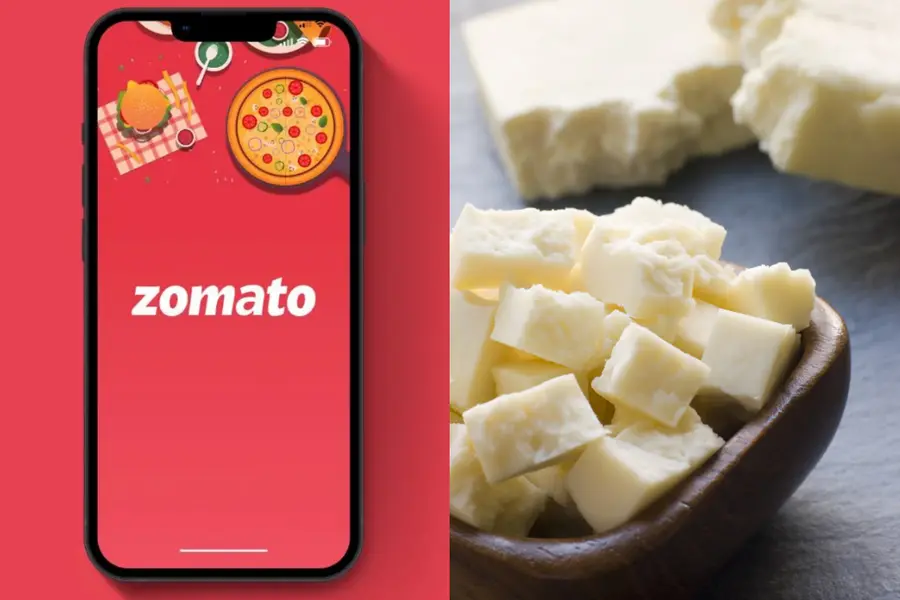
Zomato has introduced a zero-tolerance policy against analogue dairy products such as paneer and cheese. Restaurants have been asked to switch to natural dairy products or remove affected dishes from their menus. Non-compliant restaurants may be delisted from the platform. The move comes amid increased food safety scrutiny and raises questions about labelling, consumer choice and transparency in restaurant food.
Online food delivery platform Zomato has announced a new policy banning dishes containing analogue dairy products, including substitutes for paneer and cheese, from its platform.
The policy came into effect on August 31, 2026. Zomato said dishes that restaurants have declared as containing analogue dairy have been removed from the platform.
Restaurants that continue to violate the policy may also be delisted from Zomato, according to the company.
The move is aimed at improving food quality, transparency and consumer information, with Zomato asking restaurant partners to ensure that the ingredients listed on their menus accurately reflect the food being served.
What has Zomato told restaurants?
Zomato has asked restaurants using analogue dairy to take immediate corrective action.
Restaurants have been told to either:
Replace analogue dairy ingredients with natural dairy products.
Remove dishes containing analogue dairy from their menus if they cannot immediately make the switch.
Check supplier labels and ingredient declarations before using dairy products.
Ensure that menu descriptions accurately represent the food being served.
The company said restaurants that fail to comply could be removed from the platform.
Aditya Mangla, Zomato's CEO, said the policy was linked to the company's focus on food quality and customer health.
“At Zomato, our core mission is better food for more people,” Mangla said, adding that this included safeguarding customer health and maintaining clear standards for food listed and served by restaurant partners.
What is analogue dairy?
Analogue dairy refers to products designed to resemble conventional dairy products while partially or completely replacing milk components with non-milk ingredients.
Depending on the product, manufacturers can use ingredients such as vegetable fats, palm oil, starches and plant proteins, along with emulsifiers, stabilisers, thickeners, flavours and other ingredients to reproduce the taste, texture, appearance or cooking properties of dairy.
Examples can include analogue versions of:
- Paneer
- Cheese
- Butter
- Cream
- Frozen desserts
Restaurants may use such products because they can be cheaper or have different storage and shelf-life characteristics compared with conventional dairy products.
ALSO READ | Why did Shah Rukh Khan, Ajay Devgn and Tiger Shroff get FDA notice over the Vimal Elaichi ad?
Is analogue dairy automatically unsafe?
The presence of non-milk ingredients does not automatically mean that an analogue dairy product is unsafe.
The concern is more about what the product contains, how it is manufactured and whether consumers are clearly informed about its composition.
For consumers expecting genuine dairy, misleading descriptions can be significant because analogue products can have different fat, protein and nutritional profiles.
Clear labelling is particularly important for people with food allergies, dietary restrictions or specific nutritional requirements.
Why has Zomato taken this step?
Zomato's decision comes amid increased scrutiny of food products and restaurant ingredients by food safety authorities.
The move follows reported enforcement activity by the Maharashtra Food and Drug Administration and inspections by the Food Safety and Standards Authority of India (FSSAI) at hotels in Delhi.
The company said its policy was intended to strengthen transparency and food quality on its platform and align restaurant listings with food safety and regulatory requirements.
Does FSSAI ban all analogue dairy?
The distinction between Zomato's policy and national food regulations is important.
The available reports indicate that FSSAI has not imposed a blanket nationwide ban on every type of dairy analogue.
Food regulations can recognise certain categories of substitute or analogue products and require them to be appropriately identified rather than marketed deceptively as standard dairy products.
Zomato's policy goes further for its own platform: it is removing dishes declared to contain analogue dairy, regardless of whether the restaurant has accurately disclosed the substitute.
This effectively creates a separate marketplace standard for restaurants listed on Zomato.
Why does this matter to customers?
For customers ordering paneer, cheese or other dairy-based dishes online, the issue is not simply whether a product is cheaper or made with vegetable ingredients.
It is about knowing what they are paying for and eating.
A customer ordering a paneer dish may reasonably expect the paneer to be made from milk. If an analogue substitute is used, the composition and nutritional characteristics may be different.
This makes accurate menu descriptions and ingredient information particularly important for online food orders, where consumers cannot inspect the product before purchasing it.
ALSO READ | Is there a right order for assembling Kebabs on a skewer?
Can customers identify analogue paneer at home?
Consumers may notice differences in texture, taste, melting or cooking behaviour, but these observations cannot reliably establish whether a product is safe or determine its exact composition.
Home tests circulating online should therefore not be treated as definitive methods for identifying food adulteration or confirming whether a product is an analogue.
Laboratory testing and regulatory inspection remain more reliable methods for determining composition and compliance.
Zomato's move is significant because it places the responsibility not only on food regulators but also on a major online food marketplace.
The policy effectively creates a zero-tolerance platform rule for declared analogue dairy dishes. Restaurants now have to either use natural dairy products or remove affected dishes from their Zomato menus.
The larger issue is consumer transparency. The distinction between a genuine dairy product and an analogue substitute can matter for nutrition, allergies, dietary choices and value for money. However, analogue products should not automatically be described as unsafe without evidence about their specific ingredients or manufacturing standards.
The effectiveness of Zomato's policy will ultimately depend on whether restaurants accurately declare ingredients and whether supplier labels, restaurant kitchens and menu descriptions are properly checked.
For consumers, the key takeaway is simple: a dish described as containing paneer or cheese should accurately reflect the ingredients actually being used.
Published: 31 Aug 2026, 05:09 pm IST
ABOUT THE AUTHOR

Related Topics
Disclaimer: Kindly avoid objectionable, derogatory, unlawful and lewd comments, while responding to reports. Such comments are punishable under cyber laws. Please keep away from personal attacks. The opinions expressed here are the personal opinions of readers and not that of Mathrubhumi.