
Maharashtra has prohibited the manufacture and sale of analogue or non-dairy paneer across the state, with offenders facing up to six months' imprisonment and a fine of Rs 1 lakh. The move comes amid rising concerns over food adulteration and misleading sale of imitation paneer as genuine dairy products.
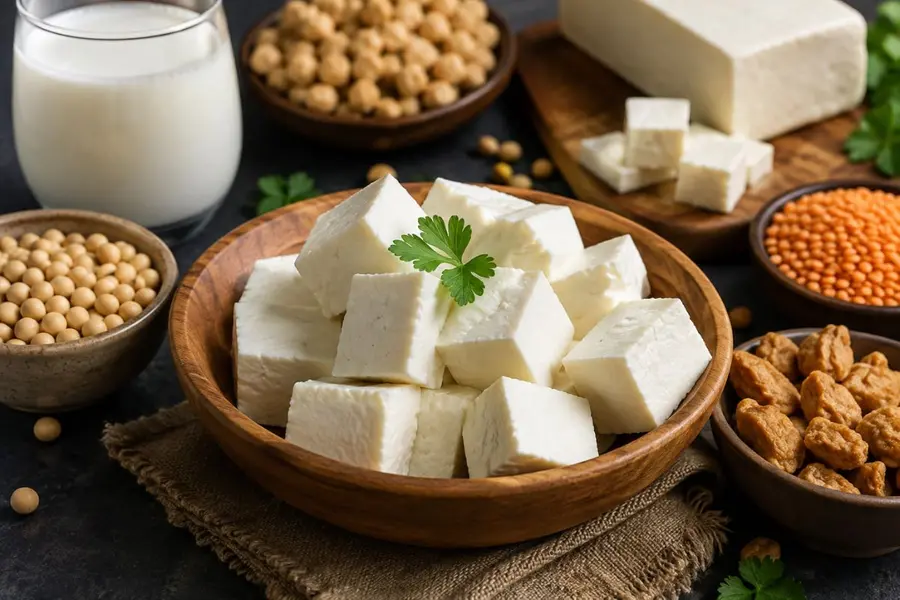
Every day, millions of Indians add paneer to their meals believing it to be one of the healthiest vegetarian sources of protein.
However, growing concerns over adulteration have now prompted Maharashtra to take one of its toughest food safety measures yet.
In a major crackdown, Maharashtra has banned the manufacture, processing, packing, storage, transportation, distribution and sale of analogue or non-dairy paneer across the state.
Under the Food Safety and Standards Act, 2006, violations can attract up to six months in jail along with a fine of Rs 1 lakh.
The order, issued by Food Safety Commissioner Tukaram Mundhe, prohibits every stage of the analogue paneer supply chain, from production to retail sale.
The Maharashtra Food and Drug Administration (FDA) has also warned that selling analogue paneer as genuine dairy paneer amounts to misleading consumers and constitutes an unfair trade practice under the food safety law. Authorities have said strict legal action will be taken against those found violating the order.
The FDA further noted that in cases where consumption of unsafe food results in death, the Food Safety and Standards Act provides for life imprisonment and a minimum fine of Rs 10 lakh.
What is analogue paneer?
According to the Food Safety and Standards Authority of India (FSSAI), an analogue product is one in which ingredients not derived from milk replace, either partially or completely, the milk constituents, while the finished product resembles milk or dairy products in appearance, taste or function.
In simple terms, analogue paneer is not made entirely from milk. It is commonly prepared using ingredients such as vegetable oils, starch and milk solids instead of pure milk, making it different from traditional dairy paneer.
How to identify fake or analogue paneer
Consumers can look for a few simple signs to check the authenticity of paneer before buying or consuming it:
- Check the label: Packaged products must clearly mention terms such as 'analogue' or 'imitation' if they are not genuine dairy paneer.
- Taste and smell: Pure paneer has a firm yet creamy texture and a fresh milky aroma.
- Pressure test: Mash a small piece by hand. Adulterated paneer made from skimmed milk tends to crumble easily.
- Iodine tincture test: Boil the paneer, allow it to cool, then add a few drops of iodine tincture. A blue colour indicates the presence of starch, suggesting artificial paneer.
- Arhar dal powder test: After boiling and cooling the paneer, add tur dal powder and leave it for about 10 minutes. A light red colour may indicate the presence of detergent or urea.
- Soybean powder test: Boil and cool the paneer before adding soybean powder. A light red colour can also point to detergent or urea adulteration.
Protein-rich alternatives to paneer:
For those looking to diversify their protein intake, several foods provide equal or even higher protein content than paneer:
- Soybeans: 36 g protein per 100 g
- Lentils: 26 g protein per 100 g
- Seitan: 25 g protein per 100 g
- Tempeh: 19 g protein per 100 g
- Chickpeas: 19 g protein per 100 g
- Tofu: 15 g protein per 100 g
While paneer continues to remain a staple in Indian diets, the Maharashtra government's latest action underscores the growing focus on tackling food adulteration and ensuring consumers receive authentic dairy products.
Published: 05 Aug 2026, 11:32 am IST
ABOUT THE AUTHOR

Disclaimer: Kindly avoid objectionable, derogatory, unlawful and lewd comments, while responding to reports. Such comments are punishable under cyber laws. Please keep away from personal attacks. The opinions expressed here are the personal opinions of readers and not that of Mathrubhumi.