
A product that looks like paneer or butter may not always be made from milk. As concerns over analogue dairy products grow, consumers are asking what these substitutes are made of, whether they are safe and how to tell them apart from genuine milk-based products.
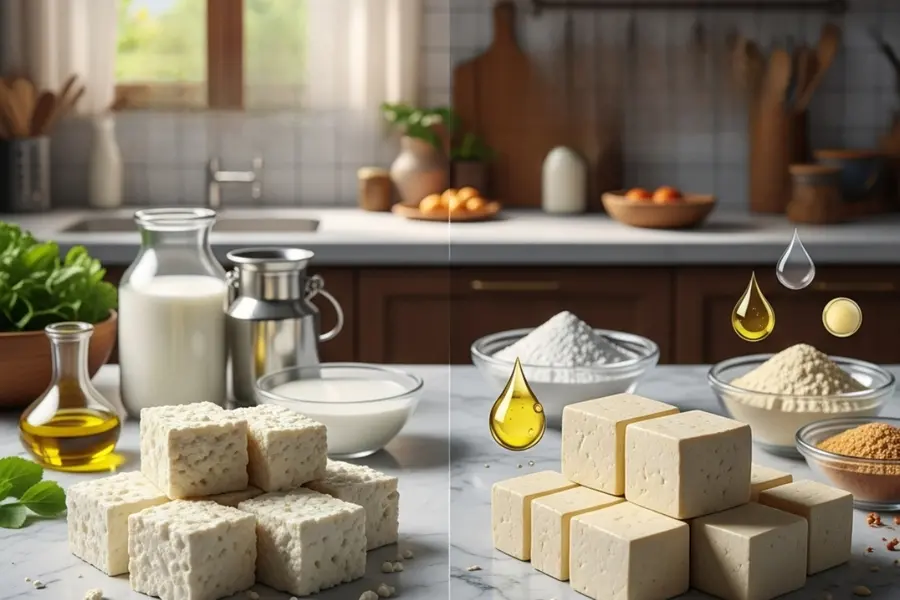
From paneer dishes at restaurants to butter used in everyday cooking, dairy products are a major part of Indian diets. However, growing concerns over analogue dairy products have brought attention to the difference between traditional milk-based foods and cheaper substitutes made using non-dairy ingredients.
Food safety authorities in states including Maharashtra and Gujarat have recently taken action against certain unstandardised analogue dairy products, raising questions about what these products contain, how they differ from real dairy items and what consumers should know before buying them.
Also Read

What are analogue dairy products?
Traditional dairy products are made from milk and contain natural milk components such as milk fat and milk proteins.
Analogue dairy products are alternatives designed to look, taste or perform like conventional dairy products but are made partly or completely using non-milk ingredients.
These substitutes may include:
- Vegetable oils or non-dairy fats
- Starches
- Emulsifiers
- Stabilising agents
- Other food additives
Manufacturers may use these ingredients to create products with similar texture and appearance at a lower production cost compared with traditional dairy products.
Analogue products can include substitutes for items such as:
- Paneer
- Butter
- Cheese
- Other milk-based foods
Why are analogue dairy products becoming a concern?
The main concern is not simply that a product is made using alternatives, but whether consumers are clearly informed about what they are purchasing.
Many consumers associate products like paneer, butter and cheese with milk-based ingredients. If an analogue product is sold or served without proper labelling or disclosure, buyers may not realise they are consuming a substitute.
Food safety authorities have raised concerns after inspections and laboratory tests found that some analogue dairy products did not meet required standards.
Maharashtra announced a ban on analogue paneer for a year after testing found several samples failing food safety requirements. Gujarat also restricted unstandardised analogue paneer, cheese and butter following inspections.
ALSO READ | Dabur to remove '100%' claims from popular products after FSSAI order
Analogue dairy products vs adulterated dairy products: What is the difference?
The two terms are often confused, but they are different.
Analogue dairy products
- Are deliberately manufactured substitutes.
- Use non-milk ingredients to imitate traditional dairy products.
- Become a concern when they are sold as genuine dairy products without clear information.
Adulterated dairy products
- Are original dairy products that have been mixed with unwanted substances.
- May involve adding cheaper materials to increase quantity, reduce costs or change texture.
- Can include excessive starch, non-dairy fats or unsafe substances.
Both can affect food quality and consumer trust.
Why can poor-quality dairy substitutes be a concern?
Traditional dairy products provide nutrients from milk, including proteins and fats. Products made mainly from oils, starches or additives may not offer the same nutritional value.
Possible concerns include:
Lower nutritional value: Milk-based products contain natural dairy proteins and fats. Replacing these components with cheaper alternatives may reduce their nutritional benefits.
Use of unsuitable fats: Some imitation dairy products may contain non-dairy fats. Regular consumption of certain unhealthy fats can increase health concerns when consumed frequently.
Risk of unsafe additives: In cases where products are poorly manufactured or adulterated, they may contain unapproved ingredients or substances that can affect safety.
Consumer confusion: A major concern is when people pay for a genuine dairy product but receive a substitute without knowing the difference.
ALSO READ | Unsafe food? Here's how to report it using the FSSAI Food Safety Connect app
How to identify analogue or poor-quality dairy products
Identifying analogue dairy products only by appearance can be difficult because they are designed to resemble traditional products. However, consumers can look for some warning signs.
1. Check the label and ingredients
Packaged products should clearly mention ingredients.
Look for:
- Milk fat or milk solids in traditional dairy products
- Vegetable oils or non-dairy fats, which may indicate an analogue product
- Additives used for texture or stability
2. Observe texture and appearance
Traditional dairy products generally have natural textures.
Signs that may require attention include:
- Excessively rubbery texture
- Unusual smoothness
- Oily or greasy feel
- Artificial-looking appearance
3. Check smell and taste
Real dairy products usually have a mild milk-based aroma.
Be cautious if the product has:
- A chemical smell
- Unusual oily odour
- Artificial taste
- Strange aftertaste
4. Be cautious of unusually low prices
A product sold at a price much lower than normal market rates may require closer checking.
Consumers should prefer:
- Trusted brands
- Reliable sellers
- Properly labelled products
5. Home tests can give clues, but not confirmation
Simple tests such as the iodine test for starch in paneer can indicate possible adulteration, but they cannot confirm complete food safety.
Laboratory testing is the most reliable method to detect:
- Non-dairy fats
- Starch content
- Microbial contamination
- Chemical residues
- Other quality issues
What consumers should remember
The discussion around analogue dairy products highlights the importance of understanding what goes into everyday foods. Not every alternative dairy product is automatically unsafe, but consumers should know whether they are buying a traditional milk-based product or a substitute.
Reading labels, choosing reliable sources and understanding basic signs of poor-quality products can help consumers make more informed food choices.
Published: 05 Aug 2026, 09:48 pm IST
ABOUT THE AUTHOR
Related Topics
Disclaimer: Kindly avoid objectionable, derogatory, unlawful and lewd comments, while responding to reports. Such comments are punishable under cyber laws. Please keep away from personal attacks. The opinions expressed here are the personal opinions of readers and not that of Mathrubhumi.