
Kerala, Karnataka, and Goa are hotspots, with Bryde's whales most affected. Factors include rising sea temperatures, vessel traffic, fishing, and habitat degradation
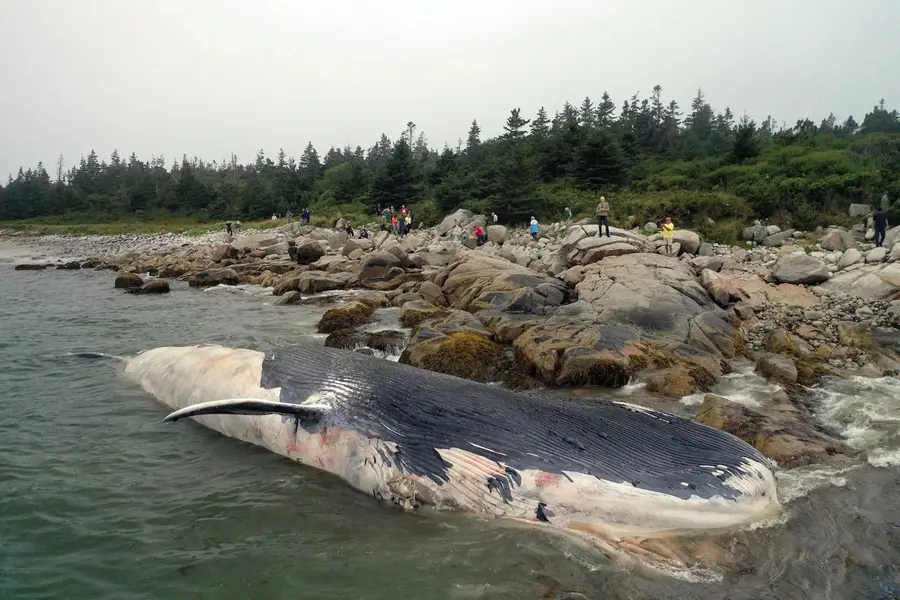
Kochi: Whale strandings along India’s southwest coast have risen sharply over the past decade, with a tenfold increase raising urgent calls for targeted conservation efforts in the face of climate change, a new study has revealed.
The research, conducted by the ICAR–Central Marine Fisheries Research Institute (CMFRI), analysed data from 2004 to 2023 and found that the annual rate of whale strandings jumped from just 0.3 per cent between 2003 and 2013 to three per cent between 2014 and 2023.
Why are strandings on the rise?
The spike is attributed to a mix of shifting ocean ecosystems, human activities, and improved reporting thanks to social media and citizen networks. Kerala, Karnataka, and Goa were identified as major hotspots, together accounting for most recorded cases.
Key contributing factors include heavy vessel traffic, intense fishing, noise pollution, ship strikes, habitat loss, and the region’s shallow coastal shelves.
Which species are most affected?
The study found that Bryde’s whales are the most commonly stranded species, although occasional blue whale strandings have also been recorded. Researchers also discovered genetic diversity within Bryde’s whale populations, identifying two distinct forms in Indian waters.
The trend reached its highest point in 2023, when nine strandings, the largest number in recent years, were documented, mainly between August and November.
How are environmental changes linked to the problem?
The research team found a positive correlation between chlorophyll-a concentrations and whale strandings during the southwest monsoon. Nutrient-rich upwelling during this period draws whales closer to shore in search of food, increasing their risk of stranding.
Rising sea surface temperatures and converging currents were also highlighted as contributing factors, sometimes driving weakened or dead whales onto beaches.
The study emphasised the importance of predictive models using satellite data on chlorophyll levels, wind patterns, and sea surface temperatures to forecast high-risk periods.
"Region-specific conservation strategies are required to address this marine biodiversity threat in one of the country’s richest oceanic zones," said Dr R. Ratheesh Kumar, lead author of the study published in Regional Studies in Marine Science.
Dr Ratheesh Kumar, who is also principal investigator of the national project on Marine Mammal Stock Assessments in India, recommended measures such as real-time alert systems, expanding marine megafauna conservation networks, training fishers and officials, and enhancing citizen science platforms for better data collection.
Why is immediate action necessary?
According to the CMFRI, the findings highlight the urgency of developing strong marine mammal conservation infrastructure to protect the fragile ecosystems of India’s southwest coast.
IANS inputs
Published: 12 Aug 2025, 09:46 pm IST
Related Topics
Disclaimer: Kindly avoid objectionable, derogatory, unlawful and lewd comments, while responding to reports. Such comments are punishable under cyber laws. Please keep away from personal attacks. The opinions expressed here are the personal opinions of readers and not that of Mathrubhumi.
