
The Supreme Court has made a crucial observation on the eligibility of SC, ST, OBC and EWS candidates for general category posts, triggering fresh debate on merit, reservation and recruitment norms.
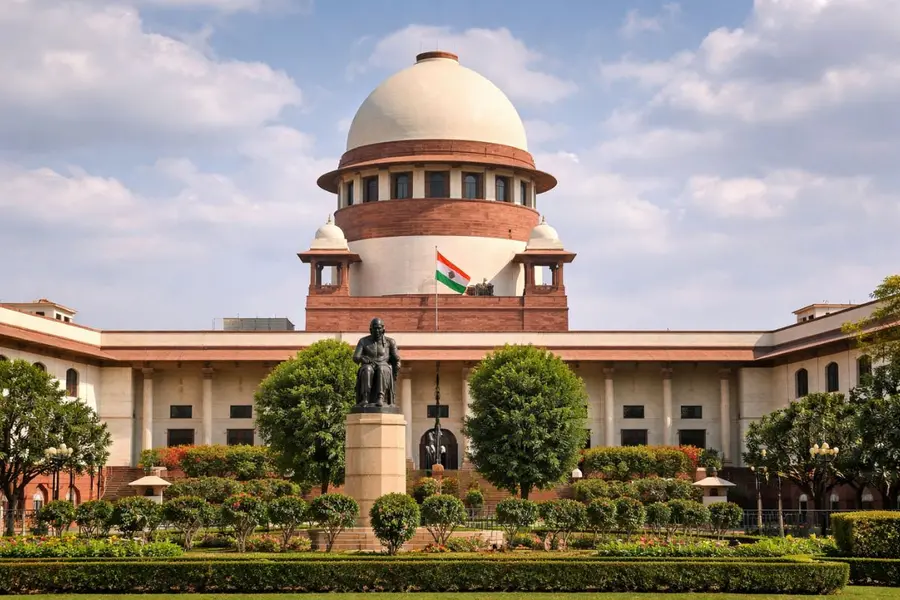
The Supreme Court of India has ruled that candidates belonging to the Scheduled Castes (SC), the Scheduled Tribes (ST), the Other Backward Classes (OBC), and the Economically Weaker Sections (EWS) are entitled to appointment against general (open) category posts if they secure the cutoff marks prescribed for the general category.
The judgment was delivered by a bench of Justices Dipankar Datta and Augustine G Masih, while dismissing a petition challenging a decision of the Rajasthan High Court.
The petition had argued that allowing reserved category candidates to be appointed to unreserved posts despite availing reservation would amount to a “double benefit”. Rejecting this contention, the Supreme Court relied on the principles laid down in the landmark Indra Sawhney case.
Writing the judgment, Justice Datta observed that the term “open category” means exactly that—posts which are not earmarked for any specific category. “Vacant posts labelled as ‘open’ do not fall within any reserved classification,” the court held.
Also read: SC allows Customs duty exemption to Adani Power for electricity taken from Gujarat SEZ
Upholding the High Court division bench’s ruling, the Supreme Court clarified that the mere availability of a reservation does not bar a reserved category candidate from being considered on merit against unreserved posts.
The court further explained that in recruitment processes involving a written examination followed by an interview, a reserved category candidate who secures marks above the general category cutoff in the written test must be treated as a general category candidate for the interview stage. If, however, the candidate’s cumulative score falls below the general cutoff, they would then be considered under their respective reserved category.
Published: 06 Jan 2026, 09:21 am IST
Disclaimer: Kindly avoid objectionable, derogatory, unlawful and lewd comments, while responding to reports. Such comments are punishable under cyber laws. Please keep away from personal attacks. The opinions expressed here are the personal opinions of readers and not that of Mathrubhumi.
