
It also seeks disclosure of contracts and data-processing arrangements entered into with private technology vendors involved in the surveillance exercise.
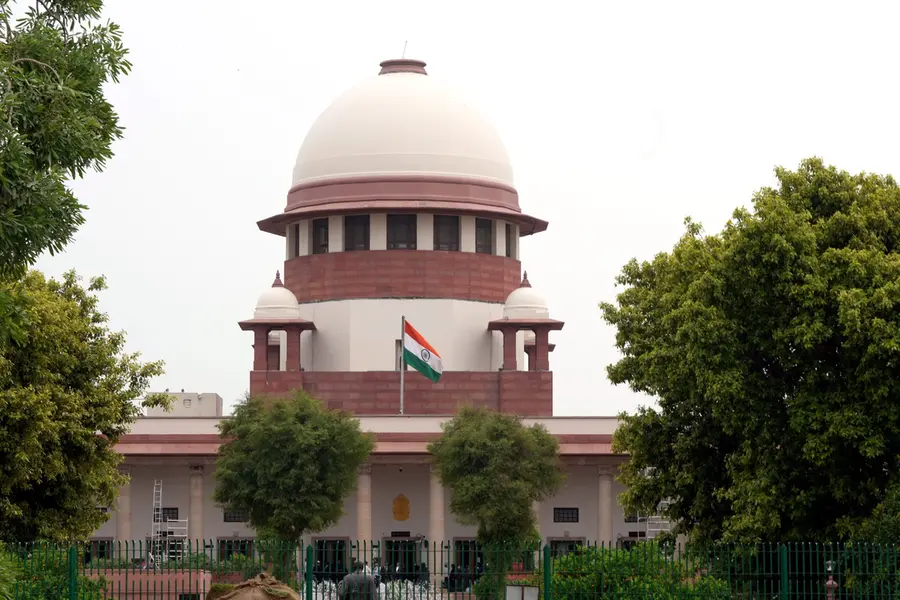
New Delhi: New Delhi: Rajya Sabha MP A.A. Rahim has approached the Supreme Court challenging the alleged deployment of facial recognition technology (FRT) and other biometric surveillance tools by the Delhi Police during recent protests at Jantar Mantar. The petition contends that the indiscriminate capture, processing, storage and retention of protesters' biometric data, without any statutory backing, violate the fundamental rights guaranteed under Articles 14, 19 and 21 of the Constitution. The plea seeks a declaration that such surveillance measures are unconstitutional and calls for an immediate halt to their use against peaceful demonstrators.
The petition, filed by the CPM MP from Kerala, alleges that facial recognition systems and allied technologies were deployed to identify individuals participating in peaceful assemblies despite the absence of a law authorising such intrusive data collection. Rahim argues that any collection or processing of biometric information by either the State or private entities, without a valid legal framework and adequate data protection safeguards, amounts to an unconstitutional invasion of privacy and has a chilling effect on citizens' right to protest.
The plea seeks directions to the authorities to publicly disclose details of the technologies and devices deployed, including facial recognition systems such as "AjnaLens" and the "Ikshana" vehicle, their capabilities, the databases against which facial data was matched, the similarity thresholds applied, and the standard operating procedures governing the collection, storage, sharing and destruction of biometric data. It also seeks disclosure of contracts and data-processing arrangements entered into with private technology vendors involved in the surveillance exercise.
In addition, the plea challenges the use of the "Abhigyan" mobile fingerprint identification application by the National Crime Records Bureau (NCRB). Rahim has sought directions compelling the NCRB to disclose the legal basis and operational protocol governing the application and its integration with the National Automated Fingerprint Identification System (NAFIS). The petition also seeks an order restraining authorities from capturing, storing or retaining the fingerprints or other biometric data of individuals not connected with any cognisable offence, and directing the permanent deletion of all such data already stored in NAFIS, the Crime and Criminal Tracking Network & Systems (CCTNS), and allied databases.
Besides seeking an immediate prohibition on the deployment of facial recognition technology at peaceful public assemblies until Parliament enacts a valid legal framework, the petition also seeks directions from the Supreme Court to the government to ensure transparency and accountability in any future surveillance exercise. The petition has been filed through Advocate K.R. Subhash Chandran.
Published: 28 Jul 2026, 03:23 pm IST
Related Topics
Disclaimer: Kindly avoid objectionable, derogatory, unlawful and lewd comments, while responding to reports. Such comments are punishable under cyber laws. Please keep away from personal attacks. The opinions expressed here are the personal opinions of readers and not that of Mathrubhumi.
