
The Supreme Court has refused to grant interim voting rights to individuals whose names were deleted from electoral rolls in West Bengal, ahead of the upcoming Assembly elections.
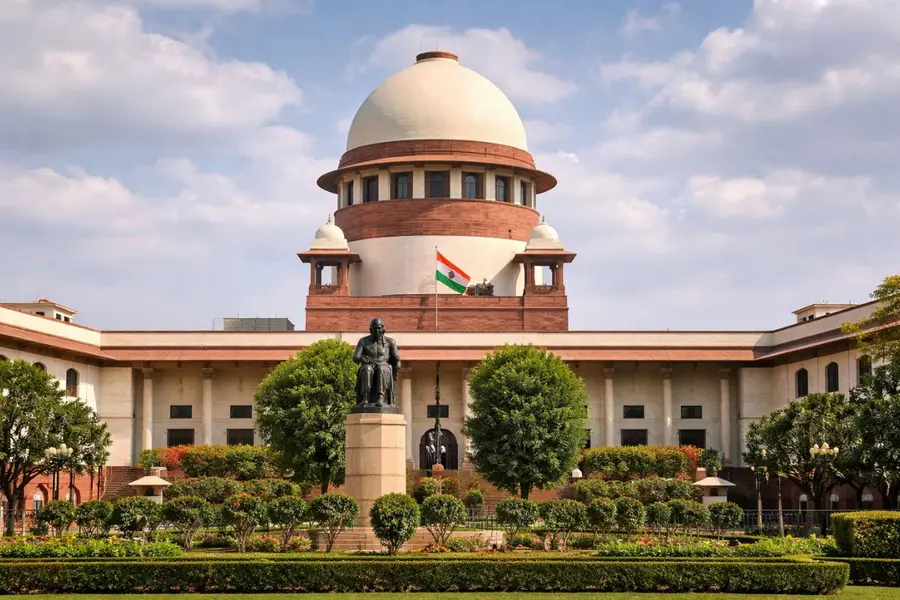
New Delhi: The Supreme Court has refused to allow individuals whose names were removed from voter lists during the Special Intensive Revision (SIR) process in West Bengal to vote in the upcoming Assembly elections.
The court made it clear that granting such interim relief is not permissible while appeals are still pending before designated tribunals.
Also Read

Court terms pleas premature, directs legal route
A bench led by the Chief Justice of India observed that the petitions challenging voter deletions were premature. It directed affected individuals to pursue remedies through appellate tribunals already set up to handle such cases. The court emphasised that due process must be followed before any judicial intervention.
During the hearing, concerns were raised about the scale of voter deletions. It was pointed out that lakhs of appeals have been filed by individuals seeking restoration of their names. Trinamool Congress leader Kalyan Banerjee argued that these voters should be allowed to vote, but the court rejected the request.
Court flags discrepancies but avoids poll disruption
The Supreme Court noted concerns regarding the Election Commission’s handling of voter roll revisions, including the introduction of a “logical discrepancy” category reportedly unique to West Bengal. However, it declined to intervene at this stage, stating that courts should not disrupt the electoral process unless absolutely necessary.
To address grievances, multiple tribunals have been constituted to examine appeals against voter deletions. However, each tribunal is reportedly dealing with a large number of cases, raising concerns about delays in resolution. The court acknowledged the workload but refrained from imposing strict timelines.
Right to vote termed fundamental to democracy
During the proceedings, the court highlighted the importance of voting rights, describing them as both constitutional and deeply linked to democratic participation. At the same time, it stressed that safeguarding due process is equally essential in maintaining the integrity of the electoral system.
The court made it clear that it would not interfere with the ongoing election process. It stated that judicial intervention is meant to support, not halt, elections. Any large-scale impact on the electoral process would need to be established before such intervention is considered.
West Bengal elections schedule
The West Bengal Assembly elections are scheduled to be held in two phases on April 23 and April 29, with counting of votes set for May 4. The court’s decision means that only those whose names are currently on the electoral rolls will be eligible to vote unless their appeals are resolved in time.
Individuals whose names have been deleted must now rely on tribunal decisions for relief. Until their cases are resolved, they will not be able to participate in the voting process. The development highlights the balance courts seek to maintain between protecting individual rights and ensuring continuity of elections.
Published: 13 Apr 2026, 05:20 pm IST
Related Topics
Disclaimer: Kindly avoid objectionable, derogatory, unlawful and lewd comments, while responding to reports. Such comments are punishable under cyber laws. Please keep away from personal attacks. The opinions expressed here are the personal opinions of readers and not that of Mathrubhumi.