
Using the classic Bollywood track "Hum Pyar Karne Wale," the South Kolkata District Electoral Officer has issued a stern warning to potential troublemakers.
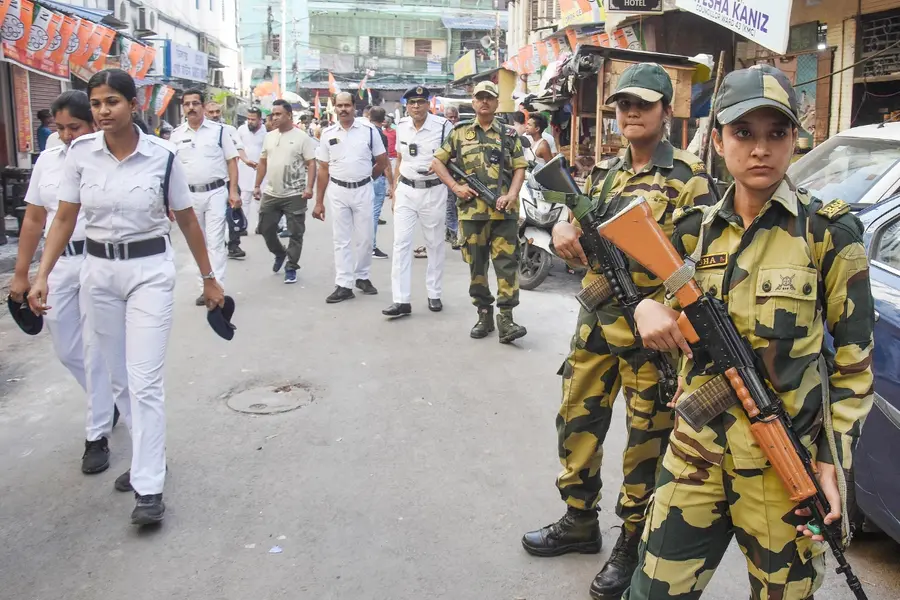
Kolkata: The Election Commission of India (ECI) has adopted a rhythmic approach to its security narrative, utilising a classic Bollywood anthem to signal its resolve against electoral malpractice and violence during the state’s upcoming two-phase polls.
The District Electoral Officer (DEO) for South Kolkata shared a video on X featuring the song “Hum Pyar Karne Wale Duniya Se Na Darne Wale” from the 1990 film Dil. The track, which originally depicted the defiant romance of characters played by Aamir Khan and Madhuri Dixit, is being used as a metaphor for the commission's own defiance. The underlying message suggests that just as the song’s protagonists remain undaunted by social opposition, the ECI remains unmoved by criticism as it pursues a peaceful voting environment.
A Warning to Disruptors
The social media post included a remarkably blunt warning aimed at "anti-social elements." The DEO advised potential troublemakers to stockpile ointments for "itching and burning sensations" that would inevitably follow the forceful interventions of security personnel tasked with safeguarding the ballot.
“All our mothers, uncles, sisters, and brothers are invited to vote freely without any fear, even if some people get angry and burn in heat," the official statement read. "Intimidators, hooligans, history sheeters, and lumpens beware, keep sufficient stocks of Burnol and Boroline with you, else the heat will be so severe that you will burn from inside and remember it for a lifetime.”
Commission Commitments
The DEO’s statement explicitly outlined the ECI’s six-point mandate for the West Bengal elections:
- No Violence
- No Intimidation
- No Inducement
- No Chappa Voting (Rigging)
- No Booth Jamming
- No Source Jamming
The statement concluded with a stern reminder: “Anyone obstructing our mission will be dealt with by the heavy hand of law, where even Burnol and Boroline won’t help.”
Political Implications
While the ECI’s message avoided naming specific organisations, political analysts have noted that the rhetoric appears directed at the ruling Trinamool Congress. The party has maintained a contentious relationship with the commission, frequently challenging the ECI’s authority regarding the strategic transfer, replacement, and deputation of civil servants and police officials during election cycles.
With inputs from IANS
Published: 13 Apr 2026, 12:26 pm IST
Disclaimer: Kindly avoid objectionable, derogatory, unlawful and lewd comments, while responding to reports. Such comments are punishable under cyber laws. Please keep away from personal attacks. The opinions expressed here are the personal opinions of readers and not that of Mathrubhumi.
