
Leader of Opposition in the Lok Sabha Rahul Gandhi on Sunday urged citizens to share their personal experiences of how air pollution has affected them or their families
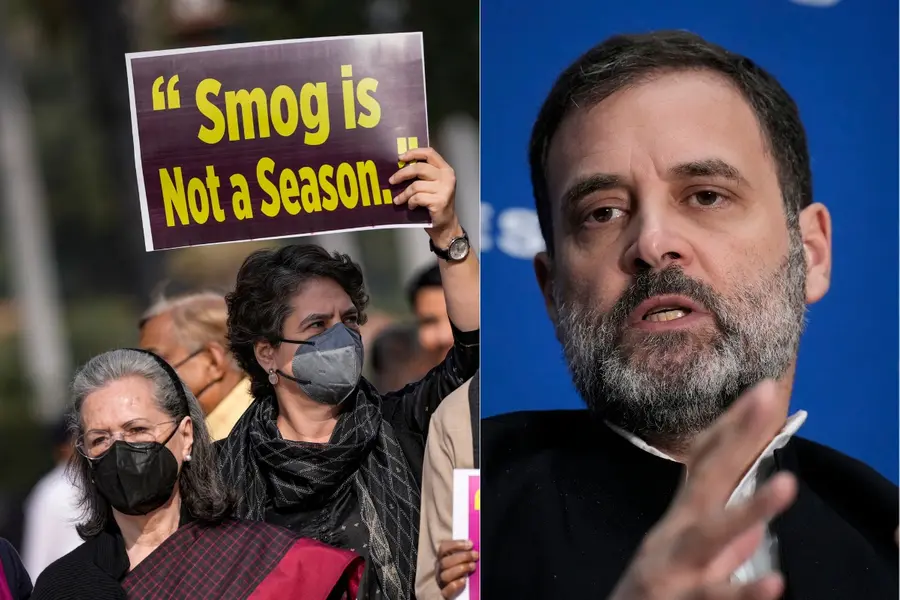
New Delhi: Rahul Gandhi on January 25 called on citizens to speak about the impact of air pollution on their health, livelihoods and daily lives, stressing that the issue has both health and economic consequences and requires sustained attention beyond the winter months.
In a post on social media platform X, Gandhi said that air pollution places a heavy burden on ordinary Indians, particularly children, the elderly, construction workers and daily wage earners. He encouraged people to submit their experiences through Awaz Bharat Ki, an online platform available on his official website, which allows citizens to share concerns and suggestions directly with his office.
Also Read

According to information available on the website, Awaz Bharat Ki aims to collect public feedback on issues affecting people across the country and act as a channel for citizen engagement.
The appeal comes amid continued concerns over air quality levels in several parts of the country, especially in the national capital. On January 18, the Air Quality Index in Delhi was recorded at 439 at 7 am, placing it in the ‘severe’ category, as per data released by the Central Pollution Control Board. AQI levels above 400 are classified as severe and are associated with serious health risks.
CPCB data showed that air quality had already deteriorated late on January 17, with the AQI recorded at 432 at 10 pm, before worsening further by early morning. Prolonged exposure to such pollution levels can aggravate respiratory and cardiovascular conditions and poses higher risks for children, older adults and people with pre-existing health issues.
Air pollution is also known to affect economic activity, particularly for outdoor workers such as construction labourers and street vendors, whose ability to work safely is reduced during periods of high pollution.
Health experts have consistently warned that repeated episodes of severe air pollution can lead to long-term public health challenges, underlining the need for sustained mitigation measures, monitoring and public awareness throughout the year, not just during peak pollution seasons.
The issue of air quality continues to remain a major environmental and public health concern, with recurring spikes highlighting the broader impact of pollution on health, livelihoods and urban living conditions.
(With ANI inputs)
Published: 25 Jan 2026, 04:52 pm IST
Related Topics
Disclaimer: Kindly avoid objectionable, derogatory, unlawful and lewd comments, while responding to reports. Such comments are punishable under cyber laws. Please keep away from personal attacks. The opinions expressed here are the personal opinions of readers and not that of Mathrubhumi.